Philly Cheesesteak Pasta Bake
Quick Answer
Philly cheesesteak pasta combines tender browned steak, onions, rigatoni, a savory beef sauce, and plenty of melted provolone in one comforting baked dinner. This version keeps the pasta from drying out by slightly undercooking the rigatoni, using enough sauce to coat every tube, and mixing some of the cheese directly into the pasta before baking.
Philly cheesesteak flavors work especially well in a pasta bake because the beef, onions, and provolone can settle into the ridges and hollow centers of rigatoni. You get browned steak and bubbling cheese on top, while the pasta underneath stays saucy rather than turning into a heavy, dry casserole.
This is a good choice for a family dinner when you want something more substantial than a skillet pasta but still manageable on a weeknight. Most of the cooking happens on the stovetop, then the assembled dish needs only a short bake to melt and lightly brown the cheese.
The key is treating the steak and pasta carefully. Browning the beef in batches gives it better color and flavor, while draining the rigatoni before it is fully tender gives it room to finish cooking in the sauce.
Easy Baked Pasta Recipes

Why This Philly Cheesesteak Pasta Works
A good Philly cheesesteak pasta bake should taste cheesy and beefy without becoming greasy, overly thick, or dry. A few details make the difference.
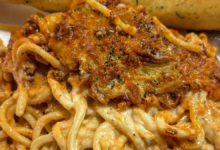
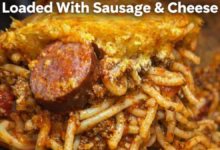
The steak is seared separately. Cooking it in batches gives the meat direct contact with the hot skillet. That creates browned edges instead of allowing the beef to steam in its own moisture.
The rigatoni is intentionally undercooked. It goes into the oven about two minutes shy of fully cooked. During baking, it absorbs some of the sauce and finishes tender without becoming mushy.
The sauce stays slightly loose before baking. Pasta continues absorbing liquid in the oven, so a mixture that already looks dry in the skillet will be even drier after baking.
Provolone is used in two places. Some is folded through the hot pasta, creating creamy pockets throughout the casserole. The rest goes over the surface with mozzarella for the melted, lightly blistered top.
A short broil finishes the cheese. The casserole doesn’t need a long baking time. Once everything is hot and bubbling, a minute or two under the broiler gives the top scattered golden-brown spots without drying out the pasta.
Recipe Summary
- Prep Time: 20 minutes
- Cook Time: 35 minutes
- Rest Time: 5 minutes
- Total Time: 1 hour
- Servings: 8
- Course: Main Course
- Cuisine: American
- Difficulty: Easy to Moderate
- Estimated Calories: About 610 per serving
Ingredients
Pasta and Beef
- 1 pound rigatoni
- 1 1/2 pounds boneless sirloin steak or ribeye, trimmed and cut into small bite-size pieces
- 1 teaspoon kosher salt, divided
- 1/2 teaspoon freshly ground black pepper
- 2 tablespoons olive oil, divided
Cheesesteak Sauce
- 1 large yellow onion, thinly sliced
- 3 cloves garlic, minced
- 2 tablespoons tomato paste
- 1 tablespoon all-purpose flour
- 1 1/2 cups low-sodium beef broth
- 1 tablespoon Worcestershire sauce
- 1 teaspoon Italian seasoning
- 1/2 teaspoon smoked paprika
- 1/4 teaspoon crushed red pepper flakes, optional
- 1/2 cup plain tomato sauce
Cheese and Finish
- 10 ounces provolone cheese, shredded or torn into small pieces
- 4 ounces low-moisture mozzarella, shredded
- 2 tablespoons finely chopped fresh parsley
Ingredient Notes
Sirloin or ribeye: Sirloin gives you a leaner, more economical pasta bake. Ribeye has more fat and a richer beef flavor. Either works as long as you cut the meat into small pieces and avoid overcooking it before the casserole goes into the oven.
Provolone: This is the main cheese and provides the flavor that makes the dish read as cheesesteak-inspired rather than simply beef-and-cheese pasta.
Mozzarella: A smaller amount helps create a smooth, cohesive melted topping without replacing the provolone flavor.
Rigatoni: The wide tubes and ridged surface hold the sauce well. Penne or ziti can work if necessary, but the final texture will be slightly different.
Beef broth: Low-sodium broth makes it easier to control the final seasoning because Worcestershire sauce and cheese also contribute salt.
Equipment
- Large pot
- Colander
- Large skillet
- Wooden spoon or heat-safe spatula
- Measuring cups and spoons
- 9 × 13-inch baking dish or 3-quart oval casserole dish
- Oven with broiler
How to Make Philly Cheesesteak Pasta
1. Heat the oven
Preheat the oven to 375°F and lightly grease a 3-quart casserole dish.
Starting with a fully heated oven matters because the casserole only needs a short bake. You want the sauce to begin bubbling and the cheese to melt promptly rather than leaving the pasta in the oven longer than necessary.
2. Cook the rigatoni
Bring a large pot of well-salted water to a boil. Cook the rigatoni for about 2 minutes less than the package directions.
The pasta should still have a firm center when you drain it. Reserve about 1/2 cup of pasta water before draining in case the sauce needs loosening later.
3. Season the beef
Pat the steak dry, then season it with 3/4 teaspoon of the kosher salt and all of the black pepper.
Drying the surface helps the beef brown. If the pieces are wet, they release additional moisture into the pan and are more likely to steam.
4. Sear the first batch
Heat 1 tablespoon olive oil in a large skillet over medium-high heat. Add half the steak in a single layer.
Leave it undisturbed for about 2 minutes so the first side can develop a dark brown surface. Turn the pieces and cook for another 1–2 minutes, then transfer them to a plate.
The center can remain slightly underdone because the meat will cook again in the casserole.
5. Brown the remaining beef
Add the remaining tablespoon of olive oil and repeat with the second half of the steak.
Avoid putting all the meat in the pan at once. A crowded skillet traps steam and makes it much harder to get the browned edges that give the sauce its deeper beef flavor.
6. Soften the onions
Reduce the heat to medium and add the sliced onion to the same skillet.
Cook for 6–8 minutes, stirring occasionally, until the onion is soft and beginning to caramelize around the edges. Those browned bits left behind by the steak should begin mixing with the onions.
7. Add the garlic
Stir in the minced garlic and cook for about 30 seconds.
It should smell fragrant but should not turn dark brown. Burned garlic can make the entire sauce taste bitter.
8. Cook the tomato paste
Add the tomato paste and stir it into the onions for about 1 minute.
Letting the paste cook briefly darkens it slightly and takes away its raw tomato flavor.
9. Add the flour
Sprinkle in the flour and stir for about 30 seconds.
Only a tablespoon is needed. The goal isn’t to make a thick gravy; it simply gives the sauce enough body to coat the pasta instead of collecting entirely at the bottom of the baking dish.
10. Deglaze with beef broth
Slowly pour in the beef broth while scraping the bottom of the skillet.
Those browned bits from the steak are valuable flavor. Continue stirring until the broth and flour mixture becomes smooth.
11. Finish the sauce
Add the Worcestershire sauce, Italian seasoning, smoked paprika, optional crushed red pepper, tomato sauce, and remaining 1/4 teaspoon salt.
Simmer for 3–5 minutes. The sauce should thicken slightly but remain noticeably loose. It needs enough moisture to coat the rigatoni and withstand baking.
12. Return the steak
Add the browned beef and any juices from the plate back to the skillet.
Stir just until everything is combined, then remove the skillet from the heat. Avoid simmering the steak for several additional minutes, which can make smaller pieces tougher.
13. Add the pasta
Fold the drained rigatoni into the beef and sauce.
Look for every piece to have a glossy coating, with some sauce working its way inside the pasta tubes. If the mixture looks thick or dry, stir in reserved pasta water 1–2 tablespoons at a time.
How to Keep Baked Pasta From Drying Out
There are three important safeguards in this recipe: undercook the rigatoni slightly, keep the sauce loose before baking, and don’t leave the casserole in the oven longer than necessary. The pasta will continue absorbing liquid while it bakes, so the mixture should look generously sauced before it goes into the casserole dish.
14. Fold in some of the provolone
Mix about one-third of the provolone into the hot rigatoni.
This gives you pockets of cheese inside the casserole instead of putting every ounce on the surface. It also helps the pasta stay rich and cohesive when served.
15. Fill the casserole dish
Transfer the pasta mixture into the prepared dish.
Spread it evenly but don’t compress it. A slightly irregular surface allows some pieces of beef and rigatoni to remain exposed, giving the casserole better texture and a more natural baked appearance.
16. Add the cheese topping
Scatter the remaining provolone and mozzarella over the pasta.
An uneven layer is ideal. You want plenty of melted cheese but also a few visible patches of beef and rigatoni rather than an excessively thick cheese blanket.
17. Bake
Bake uncovered for 15–18 minutes, until the sauce bubbles around the perimeter and the cheese has completely melted.
If the edges are bubbling before the full 18 minutes, check early. Everything in the casserole is already cooked or nearly cooked, so this stage is primarily about heating it through and melting the cheese.
18. Broil briefly
Turn on the broiler and cook for 1–2 minutes, watching the casserole continuously.
Remove it as soon as the cheese develops scattered golden-brown spots. Provolone can brown quickly, so this isn’t a step to walk away from.
19. Rest and serve
Let the Philly cheesesteak pasta rest for 5 minutes.
That short rest gives the sauce time to settle and cling more effectively to the rigatoni. Sprinkle with chopped parsley and serve while the cheese is still warm and soft.
Chef Tips
- Cut the steak into similarly sized pieces. Uneven pieces can leave some beef overcooked while larger chunks remain underdone.
- Let the skillet get properly hot before adding steak. A lukewarm pan encourages steaming rather than browning.
- Use two batches even if the pan looks large enough. The extra few minutes are worthwhile for better beef texture.
- Don’t rinse the rigatoni after draining. A little surface starch helps the sauce cling.
- Reserve pasta water before draining. It’s much easier to loosen the casserole mixture gradually than to correct a dry bake afterward.
- Shred or tear the cheese yourself when practical. It generally melts more smoothly than heavily coated pre-shredded cheese.
- Taste the sauce before adding all the cheese. Provolone contributes additional salt, so the sauce shouldn’t taste aggressively salty on its own.
- Keep the pasta mixture saucier than seems necessary. The rigatoni absorbs liquid in the oven.
- Use the broiler for color, not extended cooking. A short burst gives you browned cheese without sacrificing moisture.
- Rest for only a few minutes. The casserole needs time to settle, but leaving it too long before serving allows the cheese to firm up.
Common Mistakes to Avoid
Fully cooking the pasta before baking
The rigatoni can become too soft because it continues cooking in the oven. Drain it about two minutes early. If you’ve already overcooked it slightly, shorten the casserole’s baking time and watch closely for bubbling.
Crowding the skillet with steak
Crowded beef releases moisture faster than it can evaporate, leaving the pieces gray rather than browned. Work in two batches and keep them in a single layer.
Cutting the beef too large
Oversized chunks can make the casserole difficult to serve and eat. Keep the pieces bite-size so steak appears throughout the pasta.
Making the sauce too thick
A thick stovetop sauce can become dry after the pasta absorbs additional moisture. If it doesn’t move easily around the rigatoni, add a little reserved pasta water before assembling the casserole.
Simmering the steak too long
The beef has already been seared and will cook again in the oven. Extended simmering can make lean sirloin tough. Return it to the sauce only briefly.
Adding all the cheese to the top
A very thick topping can dominate the casserole while the interior remains less cheesy. Folding some provolone through the pasta creates a more balanced result.
Walking away during broiling
The difference between browned cheese and scorched cheese can be less than a minute. Stay beside the oven and remove the casserole as soon as the surface has the color you want.
Variations
Mushroom Philly Cheesesteak Pasta
Add 8 ounces of sliced cremini mushrooms. Brown them after removing the steak and before cooking the onions. Let their released moisture evaporate before continuing.
The pasta will have a more earthy flavor while keeping the same cheesy, beefy structure.
Green Pepper Cheesesteak Pasta
Add one thinly sliced green bell pepper with the onions.
The pepper makes the casserole closer to a common cheesesteak variation and gives the dish a slightly sweeter, more vegetable-forward flavor.
Spicy Version
Increase the crushed red pepper to 1/2 teaspoon. You can also serve sliced pickled hot peppers alongside the finished pasta.
Ground Beef Version
Replace the steak with 1 1/2 pounds of lean ground beef. Brown it thoroughly, breaking it into bite-size crumbles, and drain excess fat if needed.
The result is economical and easy but won’t have the same distinct steak texture.
Storage Instructions
Room temperature: Don’t leave the casserole at room temperature for more than 2 hours.
Refrigerator: Transfer leftovers to an airtight container and refrigerate for up to 4 days.
Freezer: Freeze cooled portions or the casserole for up to 2 months for best quality.
Best container: A shallow airtight container makes individual servings easier to cool and reheat evenly.
The cheese and pasta will firm after refrigeration. That’s normal, and a small amount of added moisture during reheating helps restore the sauce.
How to Reheat
The oven gives the best overall texture for larger portions.
Place the pasta in a baking dish, add about a tablespoon of beef broth or water per serving, and cover loosely with foil. Heat at 350°F for 15–20 minutes, or until hot throughout.
For a single serving, the microwave is faster. Cover the pasta and heat in 60-second intervals, adding a teaspoon or two of water first if it looks dry.
The extra moisture matters because chilled pasta continues to hold onto sauce. Reheating it without any added liquid can leave the edges dry before the center is hot.
Make-Ahead Instructions
You can prepare several parts ahead without fully baking the casserole.
Cook the sauce, sear the steak, and combine them up to 1 day in advance. Refrigerate the mixture in an airtight container.
For the best pasta texture, cook and assemble the rigatoni closer to baking time. If you do assemble the entire casserole ahead, keep the pasta especially firm and cover the dish tightly before refrigerating.
When ready to cook, let a cold glass or ceramic baking dish sit at room temperature briefly while the oven heats, then bake until the center is hot and the cheese is bubbling. A refrigerated casserole may require a little more time than the freshly assembled version.
Serving Suggestions
Because Philly cheesesteak pasta is rich and cheesy, simple sides work best.
Try it with:
- A green salad dressed with a sharp vinaigrette
- Roasted broccoli
- Green beans
- Garlic bread
- Warm crusty bread
- Simple coleslaw
For drinks, unsweetened iced tea, sparkling water, or lemonade help balance the richness.
If you’d like dessert afterward, keep it simple with fresh fruit, a fruit crisp, or another lighter dessert rather than something equally heavy.
Easy Family Dinner Recipes
Frequently Asked Questions
What is the best steak for Philly cheesesteak pasta?
Sirloin and ribeye both work. Sirloin is leaner and usually more economical, while ribeye contains more fat and has a richer flavor. Cut either one into small pieces and avoid overcooking it during the initial sear.
What cheese works best for cheesesteak pasta?
Provolone is the primary choice because its flavor fits the cheesesteak-inspired profile. This recipe combines it with a smaller amount of low-moisture mozzarella for additional melt.
Can I make Philly cheesesteak pasta without cream cheese?
Yes. This version doesn’t use cream cheese. The combination of provolone, mozzarella, beef sauce, and a small amount of flour creates a rich casserole without needing a cream-cheese-based sauce.
Can I use ground beef instead of steak?
Yes. Use 1 1/2 pounds of lean ground beef and brown it thoroughly before making the sauce. The dish will be less steak-like but remains a practical and flavorful variation.
Can I add green peppers?
Yes. Thinly slice one green bell pepper and cook it with the onions. It will add a mild sweetness and more traditional cheesesteak-style vegetable flavor.
Can I add mushrooms?
Yes. Brown sliced mushrooms after the steak and before the onions. Cook them until their moisture evaporates so they don’t water down the sauce.
Why did my baked pasta turn out dry?
The most likely causes are fully cooking the pasta before baking, using too little sauce, or baking the casserole too long. The mixture should look generously coated and slightly loose before it enters the oven.
Can I freeze Philly cheesesteak pasta?
Yes. Cool it before freezing and store it tightly covered for up to 2 months for best quality. Thaw in the refrigerator and add a little broth or water when reheating.
What pasta can I substitute for rigatoni?
Penne or ziti are the best alternatives because they are sturdy enough for baking and hold sauce well. Avoid very delicate pasta shapes that can soften too quickly in a casserole.
Key Takeaways
- Slightly undercook the rigatoni so it finishes tender rather than mushy in the oven.
- Sear steak in batches to develop proper browning and stronger beef flavor.
- Keep the sauce loose before baking because the pasta will absorb additional moisture.
- Fold some provolone into the pasta and reserve the rest for the browned cheese topping.
- Refrigerate leftovers for up to 4 days and add a little moisture when reheating.
Quick Recipe Summary
Philly cheesesteak pasta is a baked rigatoni dinner made with browned sirloin or ribeye, sautéed onions, a savory beef-and-tomato sauce, provolone, and mozzarella. Cook the rigatoni about two minutes short of done, sear the steak in batches, prepare the sauce in the same skillet, and combine everything while the sauce is still slightly loose. Fold some provolone through the pasta, add the remaining cheese on top, then bake at 375°F for 15–18 minutes. Broil briefly for browned cheese and rest for 5 minutes before serving. The recipe makes about eight servings.
More Recipes
- Cheesy Baked Spaghetti Recipe
- Sticky, Saucy Baked Ziti & Honey Garlic Wings Plate
- Creamy Million Dollar Spaghetti
- Philly Cheesesteak Pasta Bake With Creamy Provolone
- Cheesy Chicken Tortilla Rolls (Easy Oven-Baked Recipe)
Useful Links
- USDA Safe Minimum Internal Temperatures
- USDA Leftovers and Food Storage
- FDA Food Safety During Preparation
- Cooperative Extension Guide to Baking Potatoes
- MyPlate Vegetable Serving Guidance