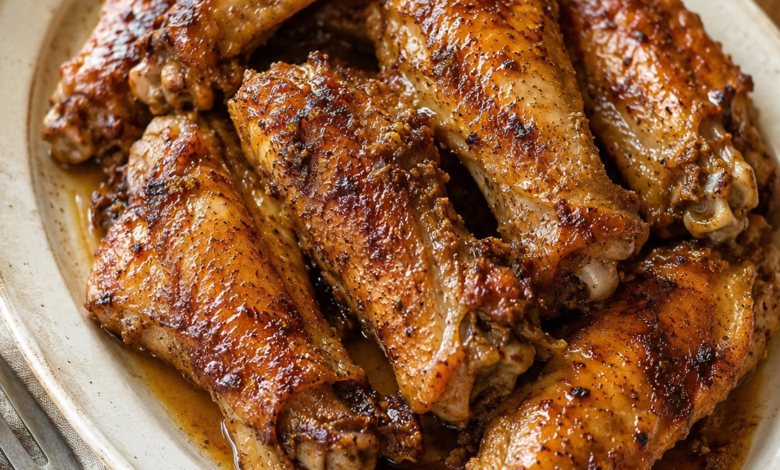
Easy Oven-Baked Turkey Wings with Savory Pan Gravy
Quick Answer: These oven-baked turkey wings cook at 375°F using a two-stage method: covered first for tenderness, then uncovered for deep browning. A small amount of broth keeps the meat moist without submerging the wings, while onions, garlic, and roasting juices create a savory pan gravy. Plan on about 1 hour 50 minutes to 2 hours 10 minutes of baking.
Turkey wings are naturally rich, meaty, and well suited to slow oven roasting. The key is giving them enough time to become tender without sacrificing the browned, seasoned skin that makes them so appetizing.
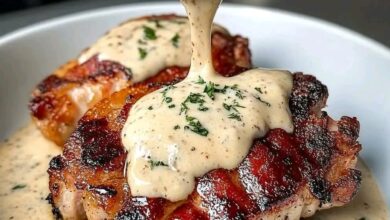
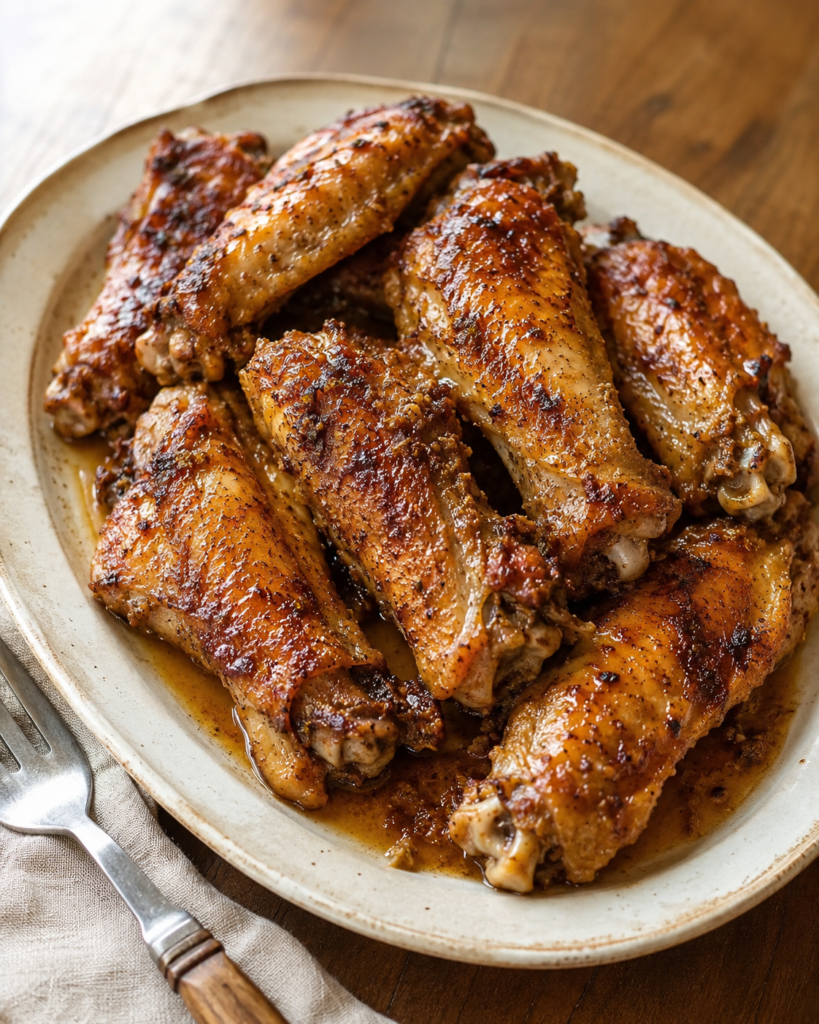
This recipe starts the wings under foil, where gentle trapped moisture helps soften the meat and connective tissue. They finish uncovered so the exterior can roast until golden brown with darker caramelized spots. Meanwhile, the onions, garlic, broth, butter, and turkey drippings combine into a flavorful pan gravy.
It’s a practical choice for Sunday dinner, holidays, or any meal where you want comforting oven-roasted poultry without preparing a whole turkey. If you enjoy this style of cooking, see Oven-Baked Comfort Food Recipes for more family-style dinner ideas.
Why This Oven-Baked Turkey Wings Recipe Works
The most important part of this recipe is the covered-then-uncovered roasting method.
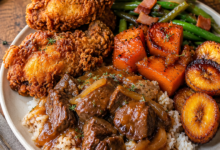
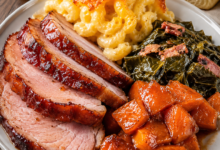
Turkey wings contain more connective tissue than many smaller poultry cuts. Baking them covered at the beginning keeps moisture around the meat while it cooks and begins to tenderize. Leaving them covered for the entire cooking time, however, would make it difficult for the skin to brown.
Removing the foil for the final 35 to 50 minutes solves that problem. The surface dries, rendered fat helps the skin roast, and the seasoning develops deeper flavor and color.
Only one cup of broth is added to the pan. That’s enough to provide moisture and create gravy without turning the cooking method into braising or boiling. Pouring the broth around the wings rather than directly over them also helps protect the seasoned surface.
The onions and garlic serve two jobs: they flavor the turkey while it cooks and become part of the finished pan gravy. Nothing in the pan is there simply for decoration.
Recipe Summary
- Prep Time: 20 minutes
- Cook Time: 1 hour 50 minutes to 2 hours 10 minutes
- Rest Time: 10 minutes
- Total Time: About 2 hours 30 minutes
- Servings: 6
- Course: Main Course
- Cuisine: American
- Difficulty: Easy
- Estimated Calories: About 430 per serving
- Oven Temperature: 375°F
Cooking Timeline
| Stage | Temperature | Time | Purpose |
|---|---|---|---|
| Covered roasting | 375°F | 1 hour 15 minutes | Tenderizes the wings |
| Uncovered roasting | 375°F | 35–50 minutes | Browns the skin |
| Resting | — | 10 minutes | Allows juices to settle |
Ingredients
Turkey Wings
- 5 pounds turkey wings, separated into flats and drumette-style sections if needed
- 1 tablespoon olive oil
- 2 teaspoons kosher salt
- 1 1/2 teaspoons garlic powder
- 1 1/2 teaspoons onion powder
- 1 teaspoon smoked paprika
- 1 teaspoon sweet paprika
- 1 teaspoon ground black pepper
- 1 teaspoon dried thyme
- 1/2 teaspoon dried sage
- 1/2 teaspoon dried oregano
- 1/4 teaspoon cayenne pepper, optional
Pan Gravy and Aromatics
- 1 large yellow onion, thinly sliced
- 4 garlic cloves, minced
- 1 tablespoon unsalted butter
- 1 cup low-sodium chicken or turkey broth
- 1 teaspoon Worcestershire sauce
- 1 teaspoon cornstarch, optional
- 1 tablespoon cold water, if using cornstarch
Ingredient Notes
Turkey wings: Size can vary considerably. Large, meaty wings may need more time than smaller sections, so tenderness and internal temperature are more dependable than the clock alone.
Low-sodium broth: Using low-sodium broth gives you better control over the final seasoning because the turkey and pan juices become more concentrated as they roast.
Smoked and sweet paprika: Using both gives the skin warm color and mild smokiness without making smoked paprika the dominant flavor.
Cornstarch: This is optional. The natural pan juices can simply be reduced for a loose gravy, or the small cornstarch slurry can be added if you prefer a little more body.
Equipment
- Large roasting pan or 9 × 13-inch baking dish
- Large mixing bowl
- Aluminum foil
- Tongs
- Instant-read meat thermometer
- Small saucepan, only if your roasting pan is not stovetop-safe and the gravy needs reducing
How to Make Oven-Baked Turkey Wings
1. Preheat the oven and dry the wings
Heat the oven to 375°F.
Pat the turkey wings thoroughly dry with paper towels. This is more important than it may seem: excess surface moisture slows browning and can cause the seasonings to slide off instead of clinging to the skin.
2. Season the turkey
Place the wings in a large bowl and coat them with the olive oil.
Add the salt, garlic powder, onion powder, smoked paprika, sweet paprika, black pepper, thyme, sage, oregano, and optional cayenne.
Toss until the seasoning is distributed over all sides. The wings should look evenly seasoned but not coated in a thick paste.
3. Build the aromatic base
Scatter the sliced onion and minced garlic across the bottom of the baking dish. Dot the butter over the onions.
Arrange the turkey wings on top in a mostly single layer. Some overlap is fine, especially with large pieces, but avoid piling several wings directly on top of each other.
Crowded wings trap more steam and develop less browning.
4. Add the broth
Combine the broth with the Worcestershire sauce.
Pour it around the edges and between the wings, rather than directly over the seasoned skin.
The liquid should remain primarily at the bottom of the pan. The turkey should not be submerged.
5. Bake covered
Cover the baking dish tightly with aluminum foil and bake for 1 hour 15 minutes.
At this stage, the turkey will release fat and juices while the onions soften underneath. When you remove the foil, the wings should look cooked and moist, but the skin may still be fairly pale. That is expected.
6. Finish the wings uncovered
Remove the foil carefully because hot steam will escape.
Spoon a small amount of the pan juices around the meat if needed, but avoid soaking the tops.
Return the pan to the oven uncovered and roast for another 35 to 50 minutes.
The skin should gradually deepen to golden brown with darker caramelized areas. The edges may become slightly crisp while the meat underneath remains moist.
7. Check for doneness and tenderness
Insert an instant-read thermometer into the thickest part of a wing without touching bone.
Turkey must reach at least 165°F for safe cooking. With wings, however, temperature and tenderness are not exactly the same thing. Larger pieces often become noticeably more tender as they cook beyond the minimum safe temperature.
For particularly tender wings, the thicker sections may reach approximately 175–185°F.
If the turkey has reached 165°F but still feels firm or tough, continue roasting and check again after 10 to 15 minutes.
8. Finish the pan gravy
Transfer the cooked wings to a serving platter and loosely cover them.
Look at the liquid remaining in the pan. If a noticeable layer of clear fat has collected on the surface, spoon off some of the excess before reducing the gravy.
Place the pan over low heat if it is stovetop-safe, or transfer the juices and softened onions to a saucepan. Simmer for several minutes until the flavor concentrates slightly.
For a thicker gravy, stir 1 teaspoon cornstarch with 1 tablespoon cold water until smooth. Slowly whisk the slurry into the simmering juices and cook for 1 to 2 minutes.
The finished gravy should lightly coat a spoon while remaining loose enough to spoon naturally around the turkey.
9. Rest and serve
Allow the wings to rest for about 10 minutes before serving.
Spoon the onion-rich gravy around and lightly over the turkey, leaving plenty of browned skin exposed.
Chef Tips
- Use similarly sized wing sections when possible. They’ll finish cooking more evenly.
- Don’t rinse away the seasoning with broth. Pour liquid around the wings instead of over them.
- Leave space between pieces. More exposed surface means better browning during the uncovered stage.
- Use a thermometer rather than guessing. Turkey wing thickness varies too much for cooking time alone to be reliable.
- Don’t judge tenderness at exactly 165°F. That temperature addresses safety, but connective tissue may need additional cooking to soften.
- Skim excess rendered fat before reducing the gravy. This keeps the finished sauce rich rather than oily.
- Keep the gravy relatively loose. Thick, pasty gravy can overwhelm the roasted texture of the wings.
- For deeper browning, make sure the skin is exposed during the final stage. Pieces sitting completely underneath other wings will remain softer.
- Let the turkey rest before serving. Ten minutes gives the juices time to settle and makes the meat easier to handle.
- If the wings are already tender but need more color, increase the oven to 400°F briefly. Watch them closely so the seasoning doesn’t burn.
Common Mistakes to Avoid
1. Using too much liquid
Too much broth causes the turkey to cook more like a braise and makes browning difficult.
Use the measured cup of broth and keep most of it underneath the meat. If the wings are swimming in liquid, the skin is more likely to stay soft.
2. Baking the wings uncovered from the beginning
Turkey wings can take close to two hours to become tender. Leaving them exposed the entire time increases the chance that the exterior will dry before the meat softens.
Starting them covered provides a more forgiving cooking environment.
3. Leaving the foil on too long
The opposite problem also happens. If the turkey remains covered almost until serving time, trapped moisture keeps the surface soft and pale.
Allow at least 35 minutes of uncovered roasting for proper browning.
4. Removing the wings as soon as they reach 165°F
A wing can be safely cooked but still feel tougher than you want.
If the thickest portions remain firm, continue cooking until the meat is tender rather than relying on minimum temperature alone.
5. Pouring broth over the seasoned skin
This washes away part of the seasoning and wets the exact surface you’re trying to brown.
Pour broth down the sides of the pan instead.
6. Overcrowding the baking dish
When wings are packed tightly together, moisture has fewer places to escape.
Use a large enough pan to keep most pieces exposed. If necessary, reposition them when you remove the foil.
7. Making the gravy too greasy
Turkey wings release a good amount of fat naturally.
If the gravy looks oily, skim some of the clear surface fat before reducing it. Don’t try to solve the problem by adding a large amount of cornstarch; that only thickens the fat along with everything else.
Variations
Cajun Turkey Wings
Replace the paprika, thyme, oregano, and cayenne with about 2 tablespoons of low-salt Cajun seasoning. Reduce the added kosher salt according to how salty your seasoning blend is.
The cooking method stays exactly the same.
Garlic-Herb Turkey Wings
Increase the garlic to 6 cloves and add 1 teaspoon dried rosemary to the seasoning mixture.
This version has a more pronounced herb flavor while keeping the same tender texture and pan-gravy method.
Spicy Baked Turkey Wings
Increase the cayenne pepper to 3/4 teaspoon and add 1/2 teaspoon crushed red pepper flakes.
Expect more heat without a major change to cooking time or texture.
Onion-Gravy Turkey Wings
Use 2 large onions instead of one and increase the broth to 1 1/4 cups.
After roasting, simmer the softened onions and juices a little longer to create a more substantial onion gravy.
Storage Instructions
Room temperature: Do not leave cooked turkey wings at room temperature for more than 2 hours.
Refrigerator: Refrigerate cooled wings and gravy in an airtight container for up to 3–4 days.
Freezer: Freeze in a freezer-safe airtight container for up to 3 months for best quality.
Best container: A shallow airtight container works well. Store the turkey with some of the gravy so the meat has extra moisture during reheating.
Quality note: The skin softens during refrigeration. That is normal and can be improved during oven reheating.
How to Reheat
The oven is the best method when you want to keep the turkey moist while restoring some surface texture.
Place the wings in a baking dish and spoon a little gravy around them. Cover and reheat at 325°F for about 20–25 minutes, or until thoroughly hot.
Remove the cover during the final 5 minutes to help dry and refresh the browned exterior.
For a single portion, the microwave is faster, but the skin will remain softer.
Make-Ahead Instructions
The wings can be seasoned up to 24 hours ahead.
Arrange the seasoned turkey in a covered container and refrigerate it. Keep the onions, broth, and other pan ingredients separate until you are ready to cook.
When it’s time to bake, assemble the recipe as directed. If the wings are very cold from the refrigerator, the total cooking time may increase slightly, so rely on temperature and tenderness rather than adding a fixed amount of extra time.
Cooked wings can also be prepared a day ahead and reheated gently in the oven with their gravy.
Serving Suggestions
These baked turkey wings work especially well with simple sides that can absorb the savory pan gravy.
Good choices include:
- Mashed potatoes
- White rice
- Macaroni and cheese
- Cornbread
- Roasted sweet potatoes
- Collard greens
- Green beans
- Steamed cabbage
- Roasted carrots
- A simple green salad with a lightly acidic dressing
If you want extra sauce at the table, serve additional pan gravy rather than adding a strongly flavored bottled sauce that competes with the turkey seasoning.
For drinks, sweet tea, lemonade, sparkling water, or unsweetened iced tea all pair naturally with the rich meal.
A lighter dessert, such as fruit cobbler or baked apples, can finish the dinner without making it feel overly heavy.
Sunday Dinner Recipes
Frequently Asked Questions
How long do turkey wings take to bake at 375°F?
For this recipe, allow about 1 hour 50 minutes to 2 hours 10 minutes. Bake the wings covered for 1 hour 15 minutes, then uncovered for 35–50 minutes. Very large wings may need additional time.
Should turkey wings be covered when baking?
Covering them during the first part of cooking helps retain moisture and tenderize the meat. Removing the foil for the final stage allows the skin to dry and brown.
How do I make turkey wings tender instead of tough?
Give them enough cooking time. Turkey wings contain connective tissue that softens with extended cooking. If they reach 165°F but still feel tough, continue roasting until the meat becomes tender.
What temperature should turkey wings reach?
Turkey should reach a minimum internal temperature of 165°F. For particularly tender wings, thicker pieces may reach roughly 175–185°F by the time the connective tissue has softened.
Do I need to put water in the pan?
No. This recipe uses 1 cup low-sodium chicken or turkey broth, which adds more flavor than water while supplying enough moisture for the covered roasting stage.
Why didn’t my turkey wings brown?
Common causes include wet skin, too much liquid, crowding, or keeping the pan covered too long. Pat the wings dry and give them enough uncovered roasting time.
Can I use chicken broth instead of turkey broth?
Yes. Chicken broth works well and produces only a small flavor difference. Use a low-sodium version so you can control the salt level.
Can I freeze baked turkey wings?
Yes. Cool them properly, store them in a freezer-safe airtight container with some gravy, and freeze for up to 3 months for best quality.
What is the best way to reheat turkey wings?
Reheat them covered at 325°F with a little gravy, then uncover them for the final 5 minutes. This keeps the meat moist while helping refresh the exterior.
Key Takeaways
- Bake turkey wings at 375°F, covered first and uncovered to finish.
- A small amount of broth keeps the meat moist while still allowing the skin to brown.
- The wings are safe at 165°F, but additional cooking may be needed for ideal tenderness.
- Skim excess fat from the pan before reducing the roasting juices into gravy.
- Refrigerate leftovers for up to 3–4 days and reheat gently in the oven for the best texture.
Quick Recipe Summary
Oven-baked turkey wings are seasoned with paprika, garlic, onion, herbs, and black pepper, then arranged over sliced onions and garlic with a small amount of broth. Bake them covered at 375°F for 1 hour 15 minutes to begin tenderizing the meat, then uncover and roast for another 35–50 minutes until deeply browned and tender. The turkey must reach at least 165°F internally, though larger wings may become more tender at higher temperatures. Finish by reducing the onion-rich pan juices into a loose savory gravy, rest the wings for 10 minutes, and serve.
More Recipes
- Baked Turkey Wings
- Crockpot Green Beans with Smoked Turkey Tails
- Turkey Recipes
- Jerk Turkey Wings
- Oven-Baked Comfort Food Recipes
Useful Links
- USDA Safe Minimum Internal Temperatures
- USDA Leftovers and Food Storage
- FDA Food Safety During Preparation
- Cooperative Extension Guide to Baking Potatoes
- MyPlate Vegetable Serving Guidance