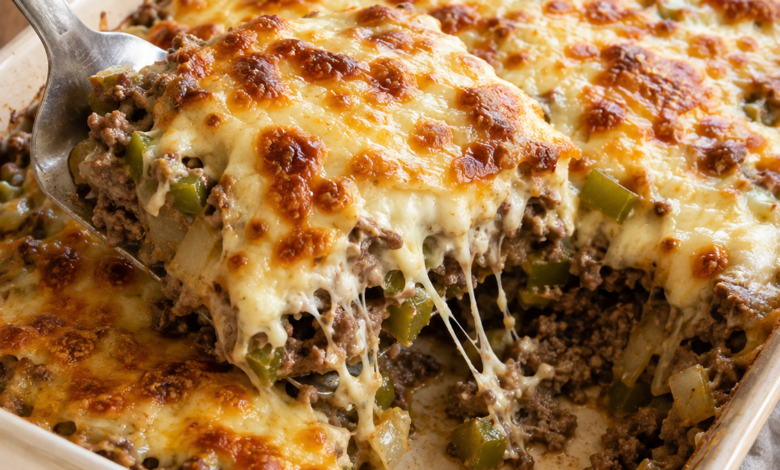
Philly Cheesesteak Casserole
Quick Answer: Philly cheesesteak casserole is an easy baked dinner made with seasoned ground beef, tender green bell peppers and onions, provolone, and mozzarella. Browning the beef and cooking off excess moisture before assembling keeps the filling juicy without becoming watery, while a short final broil gives the cheese its golden, bubbly finish.
This casserole takes the familiar combination of beef, peppers, onions, and melted cheese and turns it into a simple family-style dinner. Instead of building individual sandwiches, everything is layered into one baking dish and finished under a generous blanket of provolone and mozzarella.
The filling stays hearty rather than creamy or overly saucy. You get browned beef, recognizable pieces of green pepper and onion, and plenty of melted cheese holding each serving together.
If you’re looking for the sandwich version, Botainfo also has a melty Philly cheesesteak recipe.
Why This Recipe Works
The most important part of a good Philly cheesesteak casserole is controlling moisture. Ground beef and vegetables both release liquid as they cook. Browning the beef thoroughly and letting excess moisture evaporate before the filling goes into the baking dish prevents a loose, watery casserole.
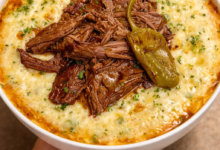
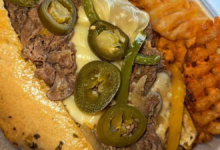
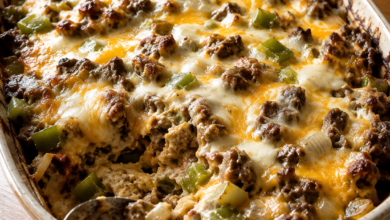
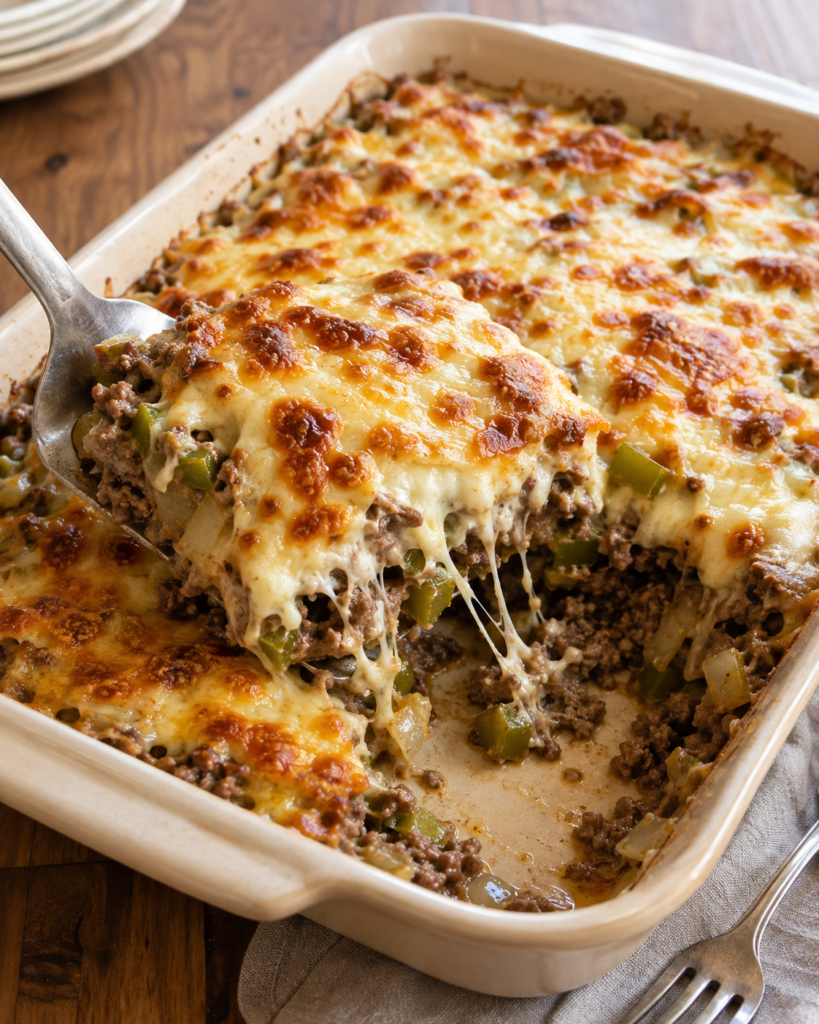
The cheese combination also has a purpose. Provolone provides the sharper cheesesteak-style flavor, while low-moisture mozzarella melts smoothly and creates the browned, stretchy topping visible in the finished dish.
The peppers and onions are cooked only until tender before baking. They finish cooking in the oven without becoming mushy, so you can still see and taste them in every serving.
Finally, a brief broil gives the top those irregular golden and deeper brown spots without requiring a long baking time that could dry out the beef.
Recipe Summary
| Prep Time | 15 minutes |
| Cook Time | 25 minutes |
| Rest Time | 5 minutes |
| Total Time | 45 minutes |
| Servings | 6 |
| Course | Main Course |
| Cuisine | American |
| Difficulty | Easy |
| Estimated Calories | About 460 per serving |
Ingredients
Beef and Pepper Filling
- 1 1/2 pounds lean ground beef, preferably 90/10
- 1 tablespoon olive oil, only if needed
- 1 large yellow onion, diced
- 2 medium green bell peppers, cut into 1/2-inch pieces
- 2 cloves garlic, finely minced
- 1 tablespoon Worcestershire sauce
- 1 teaspoon kosher salt, divided
- 3/4 teaspoon freshly ground black pepper
- 1/2 teaspoon onion powder
- 1/2 teaspoon garlic powder
Cheese Topping
- 8 ounces provolone cheese, divided
- 1 cup shredded low-moisture mozzarella cheese
Ingredient Notes
Ground beef: A 90/10 blend provides enough fat for good flavor without leaving a large amount of grease in the baking dish. If you use fattier beef, drain it carefully before assembling the casserole.
Green bell peppers: Cut them into pieces large enough to remain recognizable after baking. Very finely diced peppers can soften too much.
Provolone: This is the main flavor cheese. Part of it goes directly into the beef filling, while the rest forms the topping.
Mozzarella: Use low-moisture mozzarella rather than fresh mozzarella. Fresh mozzarella releases considerably more liquid during baking.
Worcestershire sauce: A tablespoon adds savory depth to the ground beef without turning the filling into a sauce.
Equipment
- Large 12-inch skillet
- 9 × 13-inch baking dish
- Wooden spoon or sturdy spatula
- Cutting board
- Chef’s knife
- Wide serving spatula
How to Make Philly Cheesesteak Casserole
1. Preheat the oven
Heat the oven to 375°F and lightly grease a 9 × 13-inch baking dish.
Having the oven fully heated before assembly means the casserole can go straight from the skillet to baking without sitting long enough for the filling to release additional liquid.
2. Cook the peppers and onions
Heat a large skillet over medium-high heat. Add the olive oil if your pan needs it, then add the diced onion and green peppers with a small pinch of salt.
Cook for 5–6 minutes, stirring occasionally.
The onion should become translucent, and the peppers should soften while still holding their shape. Don’t cook them until completely tender because they’ll continue cooking in the oven.
3. Add the garlic
Stir in the minced garlic and cook for about 30 seconds.
Once you can smell the garlic, move on. Browning it too much can make the flavor bitter.
4. Brown the ground beef
Add the ground beef to the skillet and break it into irregular bite-size crumbles.
Cook for 6–8 minutes, stirring as needed, until no pink remains and some pieces develop browned edges.
Avoid repeatedly crushing the meat into tiny crumbs. Slightly varied pieces give the finished casserole a heartier texture.
5. Remove excess moisture
Check the bottom of the skillet before seasoning. If there’s a noticeable pool of grease or liquid, carefully drain most of it.
You don’t need to make the beef completely dry. The goal is to remove excess liquid while keeping enough moisture for a juicy filling.
This one step makes a major difference if you’ve had problems with watery ground beef casseroles.
6. Season the filling
Add the Worcestershire sauce, remaining salt, black pepper, onion powder, and garlic powder.
Cook for another 1 minute, stirring until everything is evenly distributed.
7. Add some of the provolone
Tear or chop about 2 ounces of provolone and fold it into the hot beef mixture.
Allow it to soften and lightly bind the meat and vegetables. You’re not trying to create a cheese sauce.
8. Assemble the casserole
Transfer the beef mixture to the prepared baking dish and spread it evenly.
Don’t press the filling tightly into the pan. A looser layer heats more evenly and keeps the finished casserole from feeling dense.
9. Add the cheese topping
Arrange the remaining provolone across the filling and scatter the mozzarella over it.
An intentionally uneven cheese layer is fine. Slightly thicker areas will bubble and brown differently, creating a more natural baked surface.
10. Bake
Bake the casserole uncovered for 12–15 minutes.
It’s ready for the final step when the cheese is completely melted and bubbling around the edges.
11. Broil until browned
Switch the oven to broil and cook for another 1–2 minutes.
Watch continuously. You’re looking for scattered golden-brown and darker toasted spots rather than an evenly dark crust.
Cheese can move from browned to burned quickly under a broiler, so don’t leave the oven unattended.
12. Let it rest
Remove the casserole from the oven and rest it for 5 minutes before serving.
That short wait allows the melted cheese and juices to settle. Portions will hold together better while still giving you soft, natural strands of melted cheese.
How to Keep Philly Cheesesteak Casserole From Getting Watery
A watery casserole usually comes from excess liquid in the beef and vegetables rather than the baking process itself.
Cook the filling uncovered so moisture can evaporate. Drain any obvious pool of grease or cooking liquid after browning the beef, and use low-moisture mozzarella instead of fresh mozzarella.
Don’t cover the casserole while baking. Leaving it uncovered allows excess moisture to escape while the cheese melts and browns.
If you add mushrooms as a variation, cook them until the liquid they release has evaporated before assembling the casserole.
The Best Cheese for Philly Cheesesteak Casserole
Provolone is the key cheese in this version because its flavor works especially well with beef, peppers, and onions.
Mozzarella plays a different role. It provides a smooth melt, attractive browning, and a little stretch without overwhelming the provolone.
Using both gives you a stronger flavor than mozzarella alone and better melting characteristics than relying entirely on provolone.
For another cheesy beef dinner on Botainfo, the loaded cheeseburger casserole is a natural next recipe to try.
Chef Tips
- Keep the vegetables chunky. Larger pepper pieces retain better texture during baking.
- Let the beef actually brown. If the skillet is crowded with liquid, continue cooking until some browned edges develop.
- Drain selectively. Remove pooled grease rather than squeezing all moisture from the meat.
- Use low-moisture mozzarella. It’s much more predictable in a casserole than fresh mozzarella.
- Don’t pack the filling. Spread it gently through the dish for a better serving texture.
- Use the broiler for color, not cooking. The casserole should already be hot before you broil the top.
- Watch the broiler continuously. One extra minute can make the difference between blistered cheese and burned cheese.
- Rest before serving. Five minutes makes portions easier to lift without making the casserole cold.
- Use a broad spatula. Slide it underneath the filling rather than trying to scoop servings with a narrow spoon.
- Reheat gently. High heat can tighten the cheese and dry out the ground beef.
Common Mistakes to Avoid
1. Putting a wet filling into the baking dish
Excess liquid collects on the bottom during baking. Continue cooking or drain the mixture before assembly.
2. Overcooking the peppers
Fully soft peppers become mushy after another round of cooking in the oven. Stop sautéing while they still have some structure.
3. Breaking the beef into tiny crumbs
Finely pulverized meat can make the casserole feel dense. Keep the beef in irregular small crumbles.
4. Draining every bit of fat from the beef
Removing too much moisture can make the finished filling dry. Drain only obvious excess grease.
5. Using fresh mozzarella
Its higher water content can loosen the casserole. Low-moisture shredded mozzarella is more reliable here.
6. Baking until the cheese is already dark brown
The broiler provides the final browning. During regular baking, wait only until the cheese is melted and bubbling.
7. Walking away while broiling
Broilers work quickly. Stay at the oven and remove the casserole as soon as the top develops toasted spots.
8. Serving it immediately
The hot filling is looser straight from the oven. A 5-minute rest improves the structure substantially.
Variations
Mushroom Philly Cheesesteak Casserole
Add 8 ounces sliced cremini or white mushrooms to the peppers and onions. Cook until the mushrooms release their moisture and the skillet becomes relatively dry before adding the beef.
The result has a deeper savory flavor but should retain the same basic casserole structure.
Spicy Version
Cook 1 finely diced jalapeño with the bell peppers, or add pickled hot peppers when serving.
This increases the heat without changing the basic cooking method.
Extra-Provolone Version
Replace the mozzarella with additional provolone.
You’ll get a stronger provolone flavor and slightly less cheese stretch.
Leaner Version
Use 93/7 ground beef and slightly less cheese.
Expect the filling to be somewhat less juicy and rich than the original.
If you want another variation on the same flavor profile, Botainfo’s Philly cheesesteak pasta bake turns the beef-and-cheese combination into a pasta dinner.
Storage Instructions
Room temperature: Don’t leave the casserole at room temperature for more than 2 hours.
Refrigerator: Transfer leftovers to an airtight container or cover the baking dish well. Refrigerate for up to 3–4 days.
Freezer: Portion the cooled casserole into airtight freezer-safe containers and freeze for up to 2 months for best quality.
Best container: A shallow airtight container works particularly well because portions cool and reheat more evenly.
Freezing may make the vegetables slightly softer after reheating, but individual portions are still practical for future meals.
How to Reheat
The oven is the best method when texture matters.
Place a serving in a small baking dish, cover it loosely with foil, and warm at 350°F for 12–15 minutes. Remove the foil for the final few minutes.
The covering protects the beef from drying while the uncovered finish helps the cheese regain a better texture.
For a faster option, microwave an individual serving at medium power in short intervals until thoroughly heated. The cheese will be softer and won’t have the same browned surface as oven-reheated casserole.
Reheated leftovers should reach 165°F in the center.
Make-Ahead Instructions
You can prepare the beef-and-vegetable filling in advance.
Cook the peppers, onions, garlic, and beef, season the mixture, drain excess moisture, then cool it promptly and refrigerate it in an airtight container.
For the best cheese texture, assemble and add the final cheese topping shortly before baking rather than broiling the casserole in advance and reheating the entire dish.
When you’re ready to cook, transfer the filling to the baking dish, add the cheeses, and bake until the center is thoroughly hot and the cheese is bubbling.
Serving Suggestions
This is a rich, cheesy main dish, so simple sides work especially well.
Try it with:
- Crisp green salad with vinaigrette
- Roasted broccoli
- Green beans
- Oven-roasted potatoes
- Garlic bread
- Dill pickles
- Pickled peppers
- Toasted hoagie rolls
You can also spoon the casserole into warm toasted hoagie rolls for a sandwich-style meal.
For another beef-centered comfort-food dinner, Botainfo’s ground beef and gravy offers a different way to turn ground beef into a family meal.
Frequently Asked Questions
What cheese is best for Philly cheesesteak casserole?
Provolone gives this casserole its main cheesesteak-style cheese flavor. Low-moisture mozzarella is added for smooth melting, browning, and gentle stretch.
Can I make Philly cheesesteak casserole with ground beef?
Yes. This version is specifically developed around ground beef. Browning it into irregular crumbles gives the casserole a hearty texture and makes it practical for an easy weeknight meal.
Why is my Philly cheesesteak casserole watery?
The most common causes are undrained beef, moisture from the vegetables, or high-moisture cheese. Cook off excess liquid before assembly and use low-moisture mozzarella.
Can I make it the night before?
The beef, pepper, and onion filling can be cooked ahead and refrigerated. For the best result, add the final cheese topping and bake shortly before serving.
Can Philly cheesesteak casserole be frozen?
Yes. Cool it promptly, portion it into airtight freezer containers, and freeze for up to 2 months for best quality. The peppers may soften somewhat after freezing and reheating.
Can I use another cheese instead of provolone?
You can use a good melting cheese such as Monterey Jack, but the flavor will be milder. Using additional provolone instead of mozzarella produces stronger provolone flavor with less stretch.
Can I add mushrooms?
Yes. Cook sliced mushrooms with the peppers and onions, but allow their released moisture to evaporate before assembling the casserole.
How do I get the cheese browned without burning it?
Bake until the cheese is fully melted, then broil for only 1–2 minutes while watching continuously. Remove the casserole once scattered toasted spots appear.
Can I serve this on a hoagie roll?
Yes. Spoon a hot serving into a toasted hoagie roll for a sandwich-style meal, or serve the casserole on its own with vegetables or salad.
Key Takeaways
- Brown the ground beef well and remove excess liquid before assembling.
- Keep the peppers slightly firm during sautéing because they’ll continue cooking in the oven.
- Provolone provides flavor while low-moisture mozzarella improves melting and browning.
- Broil for only 1–2 minutes to create the blistered cheese topping.
- Rest the casserole for 5 minutes before serving so the filling holds together better.
Quick Recipe Summary
Philly cheesesteak casserole combines 1 1/2 pounds of ground beef with sautéed green bell peppers, onion, garlic, Worcestershire sauce, provolone, and mozzarella. Cook the vegetables until just tender, brown the beef, and remove excess moisture before assembling the filling in a 9 × 13-inch baking dish. Bake uncovered at 375°F for 12–15 minutes, then broil for 1–2 minutes until the cheese develops golden-brown spots. Rest for 5 minutes before serving. The recipe makes 6 servings and takes about 45 minutes total.
More Recipes to Explore
For closely related meals already published on Botainfo, try the
- loaded cheeseburger casserole
- Philly cheesesteak pasta bake
- ground beef and gravy
- beef enchilada casserole
- melty Philly cheesesteak
Useful Links
- USDA Safe Minimum Internal Temperatures
- USDA Leftovers and Food Storage
- FDA Food Safety During Preparation
- Cooperative Extension Guide to Baking Potatoes
- MyPlate Vegetable Serving Guidance