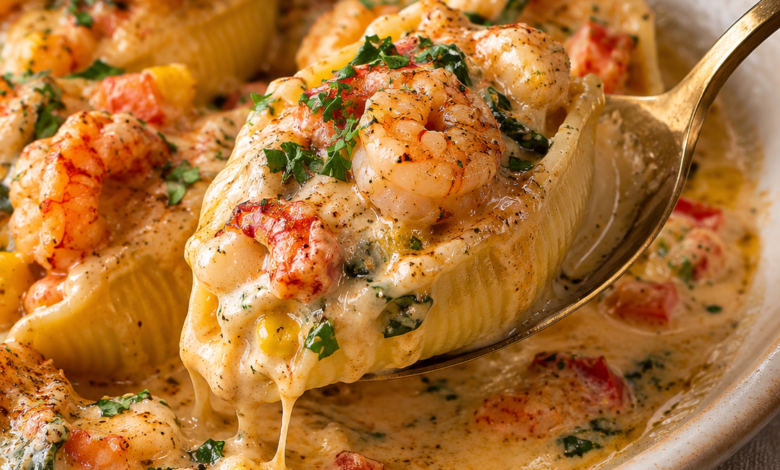
Cajun Crawfish and Shrimp Stuffed Shells are a delicious way to bring bold Southern-inspired flavors to the dinner table. Jumbo pasta shells are filled with tender shrimp, crawfish tails, ricotta, cream cheese, and Parmesan, then covered in a homemade Cajun garlic cream sauce and baked until hot and bubbly.
This creamy seafood pasta bake is perfect for family dinners, weekend cooking, or whenever you’re craving something a little different from traditional pasta night.
Quick Answer
Cajun Crawfish and Shrimp Stuffed Shells are jumbo pasta shells filled with a creamy mixture of shrimp, crawfish tails, ricotta, cream cheese, and Cajun seasonings. They’re arranged in a baking dish, covered with homemade Parmesan cream sauce, topped with mozzarella, and baked until hot and bubbly. The recipe serves six and takes about 1 hour and 5 minutes, including resting time.
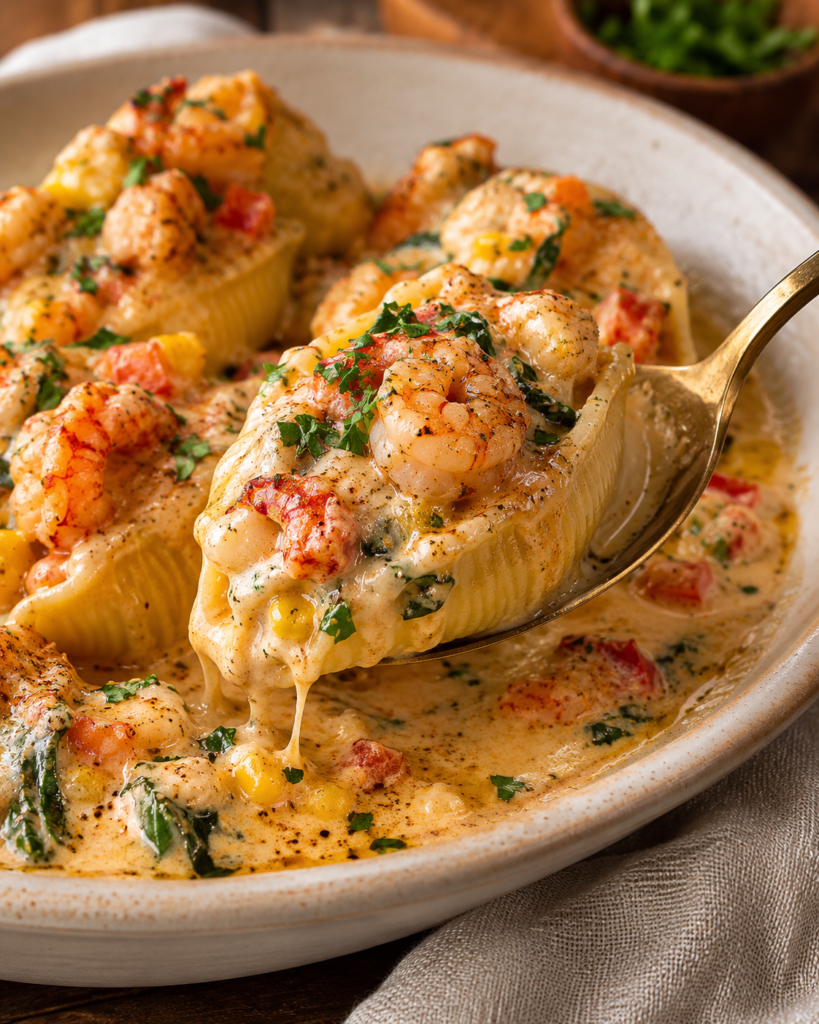
Why You’ll Love These Cajun Seafood Stuffed Shells
There are plenty of ways to make seafood pasta, but stuffing jumbo shells gives every serving a satisfying combination of pasta, seafood, and creamy cheese filling.
Here are a few reasons this recipe is worth adding to your dinner rotation:
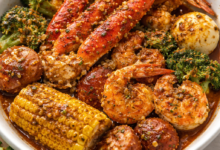
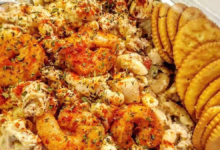
- Two types of seafood: Shrimp and crawfish bring different textures and flavors to the filling.
- Creamy homemade sauce: Butter, garlic, milk, heavy cream, and Parmesan create a rich sauce that coats every shell.
- Cheesy filling: Ricotta and cream cheese make the inside creamy, while mozzarella adds a delicious melted topping.
- Cajun-inspired flavor: Cajun seasoning and smoked paprika give the dish warmth and a little Southern character.
- Great for sharing: The stuffed shells are easy to arrange in one baking dish and serve family-style.
If you enjoy seafood dinners, you might also like our Cajun Salmon and Shrimp Alfredo or Creamy Lobster and Shrimp Pasta.
Cajun Crawfish and Shrimp Stuffed Shells Recipe
Recipe Information
| Detail | Information |
|---|---|
| Prep Time | 30 minutes |
| Cook Time | 30 minutes |
| Rest Time | 5 minutes |
| Total Time | 1 hour 5 minutes |
| Servings | 6 |
| Course | Dinner, Main Course |
| Cuisine | Cajun-American |
| Difficulty | Intermediate |
| Calories | Approximately 620 per serving |
Ingredients You’ll Need
The ingredients are divided into three groups to make preparation easier: the pasta, the seafood filling, and the homemade Cajun cream sauce.
For the Pasta Shells
- 20 jumbo pasta shells, plus a few extra in case some break
- Salt, for the pasta water
For the Seafood Filling
- 8 ounces raw shrimp, peeled, deveined, and finely chopped
- 8 ounces cooked crawfish tails, thawed and drained
- 1 tablespoon olive oil
- 1 tablespoon butter
- 1/2 cup finely diced red bell pepper
- 2 cloves garlic, minced
- 3 ounces fresh baby spinach, roughly chopped
- 1/3 cup sweet corn kernels
- 1 cup ricotta cheese
- 4 ounces cream cheese, softened
- 1 cup shredded mozzarella cheese
- 1/3 cup freshly grated Parmesan cheese
- 1 large egg
- 1 teaspoon Cajun seasoning
- 1/4 teaspoon black pepper
For the Cajun Cream Sauce
- 3 tablespoons butter
- 3 tablespoons all-purpose flour
- 2 cups whole milk
- 1 cup heavy cream
- 2 cloves garlic, minced
- 1 teaspoon Cajun seasoning, or to taste
- 1/2 teaspoon smoked paprika
- 1/2 cup grated Parmesan cheese
- 1/4 teaspoon black pepper
- Salt, as needed
For the Topping
- 1/2 cup shredded mozzarella cheese
- 2 tablespoons chopped fresh parsley
- A little extra Cajun seasoning
Ingredient Notes
Shrimp: Use peeled and deveined raw shrimp. If using frozen shrimp, thaw them in the refrigerator and pat them dry before cooking.
Crawfish tails: Fully cooked crawfish tails are convenient for this recipe. Thaw frozen tails completely and drain off excess liquid before adding them to the filling.
Ricotta cheese: Ricotta gives the filling a soft, creamy texture without making it overly dense.
Cream cheese: Let it soften before mixing so it blends smoothly with the ricotta.
Mozzarella: Shredded mozzarella melts nicely over the stuffed shells. Freshly grated cheese is a good choice for a smooth finish.
Cajun seasoning: Different brands vary in saltiness and heat. Start with the recommended amount and adjust the sauce to taste.
Parmesan: Freshly grated Parmesan adds a savory flavor to both the filling and the cream sauce.
Equipment You’ll Need
- Large pot for cooking pasta
- Large skillet
- Medium saucepan
- 9 × 13-inch baking dish
- Mixing bowls
- Whisk
- Colander
- Spoon for stuffing the shells
How to Make Cajun Crawfish and Shrimp Stuffed Shells
Step 1: Cook the Jumbo Pasta Shells
Bring a large pot of salted water to a boil. Add the jumbo pasta shells and cook them until slightly under al dente, following the package instructions.
Drain the shells carefully and arrange them in a single layer on a lightly oiled plate or baking sheet.
Avoid fully cooking the shells because they’ll continue cooking in the oven. Keeping them slightly firm makes them easier to fill without tearing.
Step 2: Prepare the Shrimp and Crawfish
Heat the olive oil in a large skillet over medium heat. Add the chopped shrimp and cook for approximately 1–2 minutes, just until the edges begin turning opaque.
Remove the shrimp from the skillet and set aside. They will finish cooking in the oven.
Make sure the crawfish tails are fully thawed, cooked, and well drained before adding them to the filling.
Step 3: Cook the Vegetables
Using the same skillet, melt the tablespoon of butter over medium heat.
Add the diced red bell pepper and cook for 2–3 minutes until slightly softened.
Stir in the minced garlic and cook for about 30 seconds. Add the chopped spinach and corn, then cook until the spinach wilts and excess moisture evaporates.
Remove the skillet from the heat and allow the vegetable mixture to cool slightly.
This step is important because excess moisture can make the seafood filling watery.
Step 4: Make the Creamy Seafood Filling
In a large mixing bowl, combine the ricotta cheese, softened cream cheese, shredded mozzarella, Parmesan, egg, Cajun seasoning, and black pepper.
Mix until everything is evenly combined.
Gently fold in the shrimp, crawfish tails, and cooled vegetable mixture.
The finished filling should be creamy and thick enough to stay inside the pasta shells without running out.
Step 5: Prepare the Cajun Cream Sauce
Melt the butter in a medium saucepan over medium heat.
Add the minced garlic and cook for approximately 30 seconds until fragrant.
Whisk in the flour and cook for about 1 minute. This creates the roux that thickens the sauce.
Gradually pour in the whole milk and heavy cream, whisking continuously to prevent lumps.
Allow the mixture to simmer gently for 4–6 minutes until it thickens enough to coat the back of a spoon.
Stir in the Cajun seasoning, smoked paprika, black pepper, and Parmesan cheese.
Taste the sauce and adjust the seasoning if needed. It should be creamy and smooth but still pourable.
Step 6: Fill and Arrange the Pasta Shells
Preheat your oven to 375°F.
Spread approximately 1 cup of the Cajun cream sauce across the bottom of a 9 × 13-inch baking dish.
Carefully spoon the seafood filling into each cooked pasta shell.
Arrange the stuffed shells in the baking dish with the open sides facing upward.
Pour the remaining cream sauce evenly over the shells, making sure the spaces between them are coated.
Step 7: Add the Cheese Topping
Sprinkle the remaining mozzarella cheese over the stuffed shells.
Add a light dusting of Cajun seasoning for extra color and flavor.
The cheese will melt into the cream sauce as the dish bakes.
Step 8: Bake Until Hot and Bubbly
Cover the baking dish loosely with aluminum foil and bake for 15 minutes.
Remove the foil and continue baking for another 8–10 minutes, until the sauce bubbles around the edges and the cheese is fully melted.
Because the filling contains egg and seafood, check that the center reaches a safe temperature of 160°F. The shrimp should be firm, pearly, and opaque. If necessary, continue baking briefly and check again.
Step 9: Rest and Serve
Remove the baking dish from the oven and let the stuffed shells rest for approximately 5 minutes.
Finish with freshly chopped parsley and serve while warm.
The sauce will settle slightly as the dish rests, making the shells easier to serve.
Chef Tips
- Don’t overcook the pasta: Slightly undercooked shells hold their shape better during baking and are easier to stuff.
- Drain the crawfish thoroughly: Excess liquid can thin the filling and affect its consistency.
- Pat the shrimp dry: Removing surface moisture helps the shrimp cook properly in the skillet.
- Use softened cream cheese: Cold cream cheese can leave lumps in the filling.
- Let the vegetables cool: Adding very hot vegetables directly to the cheese mixture can affect its consistency and the raw egg.
- Keep the sauce pourable: If the sauce becomes too thick, whisk in a little warm milk before assembling the dish.
- Don’t boil the cream sauce aggressively: A gentle simmer helps it thicken without scorching the milk.
- Taste before adding extra salt: Cajun seasoning and Parmesan already contribute saltiness.
- Arrange shells in one layer: This helps them heat more evenly and makes serving easier.
- Rest before serving: Five minutes gives the filling and sauce a little time to settle.
Common Mistakes to Avoid
1. Overcooking the Pasta
Overcooked shells can tear when filled and may become too soft after baking.
How to avoid it: Cook them slightly under al dente and drain carefully.
2. Using Watery Seafood
Frozen crawfish and shrimp can release excess liquid after thawing.
How to avoid it: Thaw seafood safely in the refrigerator, drain thoroughly, and pat the shrimp dry.
3. Overcooking the Shrimp Before Baking
Shrimp become firm quickly, and cooking them completely before a long baking period can make them rubbery.
How to avoid it: Cook the shrimp only briefly in the skillet so they finish cooking in the oven.
4. Adding Hot Vegetables to the Filling
Very hot vegetables can soften the cheese mixture and partially cook the egg.
How to avoid it: Allow the vegetable mixture to cool slightly before combining it with the filling.
5. Making the Cream Sauce Too Thick
A thick sauce may not spread evenly between the shells and can become heavy during baking.
How to avoid it: Add the milk and cream gradually and stop cooking once the sauce lightly coats a spoon.
6. Using Too Much Cajun Seasoning
Some seasoning blends contain considerable salt and cayenne pepper.
How to avoid it: Add the recommended amount first, taste, and adjust gradually.
7. Baking Without Enough Sauce
Pasta shells can dry out if they aren’t surrounded by enough sauce.
How to avoid it: Spread sauce across the bottom of the baking dish and distribute the remaining sauce evenly over the shells.
Recipe Variations
Extra-Spicy Cajun Stuffed Shells
Add a pinch of cayenne pepper or a little hot sauce to the cream sauce. This gives the dish more heat without changing its creamy texture.
Extra-Cheesy Seafood Shells
Add a little Monterey Jack to the mozzarella topping. It creates a richer melted cheese layer.
Shrimp-Only Stuffed Shells
If crawfish tails aren’t available, replace them with an additional 8 ounces of shrimp. The result will still be a creamy seafood pasta bake with a slightly different flavor.
Mild Family Version
Reduce the Cajun seasoning and smoked paprika for a gentler flavor that works well for people who prefer less heat.
Crab and Shrimp Stuffed Shells
Replace the crawfish tails with cooked crab meat. Fold it gently into the filling to keep the pieces intact.
Storage Instructions
Because this recipe contains seafood, cheese, and cream, leftovers should be handled carefully.
Room Temperature: Don’t leave cooked seafood stuffed shells at room temperature for more than 2 hours. If the temperature is above 90°F, refrigerate within 1 hour.
Refrigerator: Store leftovers in an airtight container for up to 3 days. Keep the refrigerator at 40°F or below.
Freezer: You can freeze individual portions in airtight, freezer-safe containers for up to 2 months for best quality. Keep in mind that cream sauces may separate slightly after thawing and the pasta may soften.
Best Storage Container: Use shallow airtight containers to help the leftovers cool more quickly and make portioning easier.
For additional food safety guidance, see the FDA’s seafood storage and handling recommendations and FoodSafety.gov’s food storage guidance.
How to Reheat Cajun Seafood Stuffed Shells
The oven is the best option for reheating larger portions because it warms the shells more evenly.
Oven Method
- Preheat the oven to 325°F.
- Transfer the stuffed shells to an oven-safe dish.
- Add 1–2 tablespoons of milk or cream to loosen the sauce.
- Cover the dish with aluminum foil.
- Heat until the center reaches 165°F.
The added liquid helps restore some of the sauce’s creamy consistency.
Microwave Method
For individual portions, place the shells in a microwave-safe dish and add a small splash of milk or cream.
Cover loosely and heat in short intervals, checking the center temperature and allowing the dish to rest briefly for more even heating.
Avoid overheating, which can make the shrimp tough and cause the sauce to separate.
Make-Ahead Instructions
You can prepare parts of this recipe ahead of time to make dinner easier.
- Seafood filling: Prepare the filling, refrigerate it promptly in an airtight container, and use within 1 day.
- Cream sauce: Prepare the sauce separately and refrigerate in a covered container. Reheat gently while whisking and add a little milk if needed.
- Pasta shells: Cook and drain the shells ahead of time. Keep them covered in the refrigerator so they don’t dry out.
For the best texture, assemble the shells shortly before baking. Keep all prepared components refrigerated at 40°F or below.
What to Serve with Cajun Crawfish and Shrimp Stuffed Shells
These stuffed shells are rich and creamy, so lighter side dishes make a nice contrast.
Here are some delicious options:
- Cajun Creamy Garlic Corn: A natural pairing for the Cajun-inspired flavors in the pasta.
- Garlic bread: Perfect for enjoying the extra Parmesan cream sauce.
- Fresh Caesar salad: Adds crisp lettuce and a refreshing contrast.
- Roasted asparagus: Provides a simple vegetable side.
- Steamed green beans: A lighter option that balances the richness.
- Lemon-dressed garden salad: Adds freshness and a little acidity.
For more seafood dinner inspiration, browse our Seafood Recipes collection.
You can also try Crab and Crawfish Rolls when you’re looking for another Cajun-inspired seafood meal.
Frequently Asked Questions
Can I use frozen crawfish tails?
Yes. Frozen crawfish tails work well. Thaw them in the refrigerator and drain thoroughly before adding them to the filling. Most frozen crawfish tails are already cooked, so they only need to be incorporated into the mixture.
Can I use cooked shrimp instead of raw shrimp?
Yes. Cooked shrimp can be used, but avoid cooking them again for too long. Chop them and fold them into the filling, then bake only until the dish is hot and the filling is fully cooked.
Can I prepare seafood stuffed shells the night before?
You can prepare the filling, sauce, and pasta shells separately up to one day ahead. Refrigerate everything promptly in covered containers and assemble shortly before baking.
What can I use instead of crawfish?
Cooked crab meat is a good alternative. You can also replace the crawfish with additional shrimp if that’s what you have available.
Why is my seafood filling watery?
The most common reasons are excess moisture from thawed seafood, spinach, or vegetables. Drain the seafood well and cook the vegetables until most of their moisture has evaporated.
Can I make these stuffed shells spicier?
Absolutely. Add cayenne pepper, hot sauce, or additional Cajun seasoning. Start with a small amount and taste the sauce before adding more.
Can I freeze Cajun seafood stuffed shells?
Yes, although the creamy sauce may separate slightly after thawing and the pasta can soften. Freeze in airtight portions and use within 2 months for best quality.
What temperature should seafood stuffed shells reach?
The shrimp should reach 145°F, and the egg-containing filling should reach 160°F. For reheated leftovers, use 165°F. A food thermometer is the most reliable way to check.
What pasta should I use for stuffed shells?
Use jumbo pasta shells, commonly labeled as jumbo shells or conchiglioni. Their large shape makes them suitable for holding the creamy seafood filling.
Key Takeaways
- Use jumbo pasta shells and cook them slightly under al dente.
- Drain the crawfish and vegetables well to prevent watery filling.
- Combine shrimp, crawfish, ricotta, cream cheese, mozzarella, and Parmesan for a creamy seafood filling.
- Make a smooth Cajun cream sauce and spread it generously throughout the baking dish.
- Bake until the filling reaches a safe temperature, then allow the shells to rest before serving.
Quick Recipe Summary
Cajun Crawfish and Shrimp Stuffed Shells combine jumbo pasta shells with a creamy seafood filling made from shrimp, crawfish tails, ricotta, cream cheese, mozzarella, and Parmesan. The stuffed shells are arranged in a baking dish, covered with homemade Cajun garlic cream sauce, topped with mozzarella, and baked at 375°F until hot and bubbly. This family-style seafood dinner serves six and takes approximately 1 hour and 5 minutes, including resting time. Serve with garlic bread, a fresh salad, or roasted vegetables. Refrigerate leftovers promptly and reheat thoroughly before serving.