Quick Answer
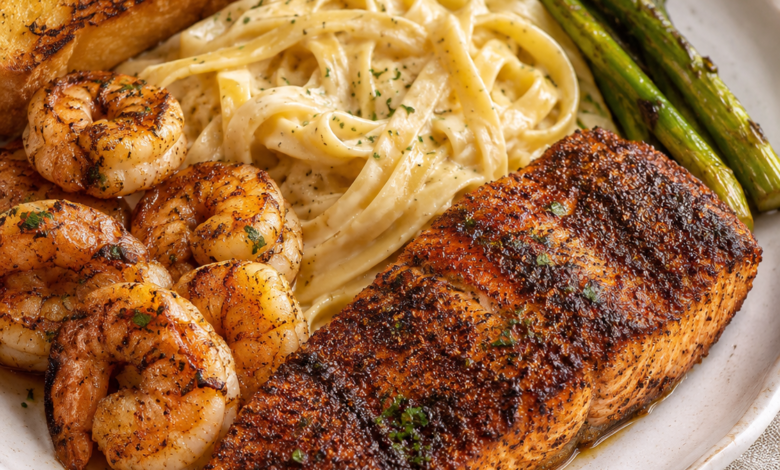
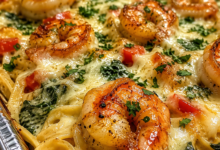
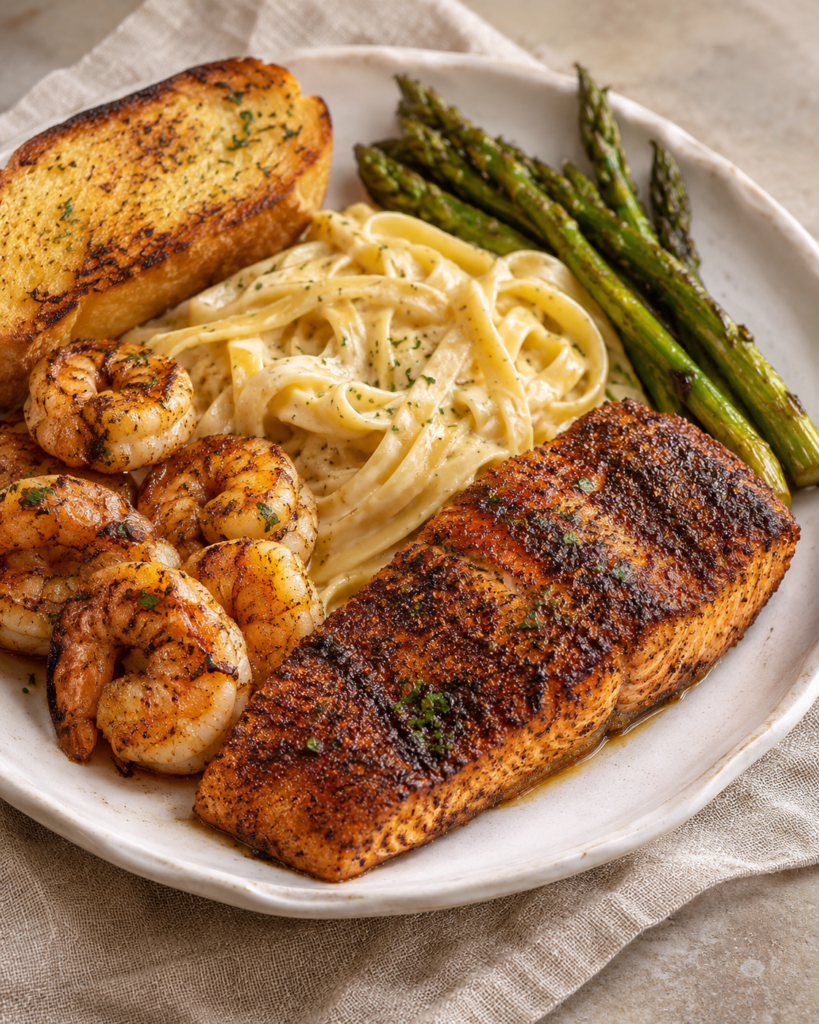
Cajun salmon and shrimp Alfredo combines blackened, pan-seared salmon, garlic-butter shrimp, and fettuccine coated in a creamy Parmesan sauce. This homemade version also includes roasted asparagus and golden garlic toast for a complete seafood dinner. Cooking the seafood separately helps preserve its texture, while gently melting Parmesan into the cream keeps the Alfredo sauce smooth.
A good seafood Alfredo brings together several textures: tender shrimp, salmon with a deeply seasoned crust, and pasta coated in a rich, velvety sauce. This Cajun salmon and shrimp Alfredo adds smoky paprika, garlic, thyme, and a touch of cayenne for a flavorful dinner that doesn’t require complicated techniques.
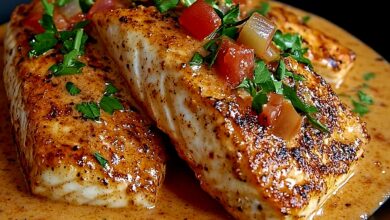
The salmon develops a dark golden crust in a hot skillet, while the shrimp cook quickly in garlic butter. Both are served alongside creamy fettuccine, so the salmon keeps its browned exterior and the shrimp don’t spend unnecessary time in the sauce.
Roasted asparagus and warm garlic toast complete the plate. The asparagus provides a welcome contrast to the rich pasta, and the bread is perfect for enjoying any extra Alfredo sauce.
If you enjoy combining seafood with creamy pasta, try our Creamy Shrimp and Chicken Fettuccine Alfredo for another comforting dinner.
Why This Recipe Works
The Salmon Gets Its Own Cajun Crust
Smoked paprika, garlic powder, onion powder, thyme, oregano, and cayenne create a warm, savory seasoning mixture. Searing the salmon separately allows that seasoning to develop color without being softened immediately by the Alfredo sauce.
Patting the fish dry before seasoning is especially important. Excess surface moisture slows browning and can make the spices form a damp coating rather than a well-seared crust.
The Shrimp Stay Tender
Shrimp cook much faster than salmon. Preparing them separately in garlic butter makes it easier to control their texture and remove them from the heat as soon as they’re done.
The Alfredo Sauce Is Simple
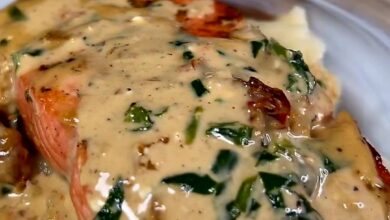
Heavy cream, butter, garlic, and freshly grated Parmesan form the sauce. There is no flour-based thickener.
The important detail is temperature. Parmesan should be stirred into warm cream over low heat rather than boiled, which reduces the risk of a grainy or separated sauce.
The Side Dishes Complete the Meal
Roasted asparagus adds color and a lightly browned vegetable element. Golden garlic toast provides a crisp contrast to the creamy pasta.
Together, these components make a generous dinner suitable for a weekend meal or a special occasion at home.
Recipe Card
Cajun Salmon and Shrimp Alfredo with Creamy Fettuccine
A complete Cajun-inspired seafood dinner with blackened salmon, garlic-butter shrimp, creamy Parmesan fettuccine, roasted asparagus, and garlic toast.
| Recipe Details | |
|---|---|
| Prep Time | 20 minutes |
| Cook Time | 30 minutes |
| Total Time | 50 minutes |
| Servings | 4 |
| Course | Main Course |
| Cuisine | American, Cajun-inspired |
| Difficulty | Intermediate |
| Estimated Calories | Approximately 1,180 per serving, including toast |
Calories are an approximate estimate, not a laboratory-verified nutrition calculation.
Ingredients
For the Blackened Cajun Salmon
- 4 skinless salmon fillets (5–6 ounces each)
- 2 teaspoons smoked paprika
- 1 teaspoon garlic powder
- 1 teaspoon onion powder
- 1 teaspoon dried thyme
- ½ teaspoon dried oregano
- ½ teaspoon freshly ground black pepper
- ¼ teaspoon cayenne pepper
- ¾ teaspoon kosher salt (Diamond Crystal)
- 1 tablespoon olive oil
- 1 tablespoon unsalted butter
For the Garlic-Butter Shrimp
- 1 pound large shrimp, peeled and deveined
- 1 teaspoon smoked paprika
- ½ teaspoon garlic powder
- ½ teaspoon onion powder
- ¼ teaspoon freshly ground black pepper
- ¼ teaspoon kosher salt
- 1 tablespoon olive oil
- 2 tablespoons unsalted butter
- 2 garlic cloves, minced
For the Creamy Fettuccine Alfredo
- 12 ounces dry fettuccine pasta
- 2 tablespoons unsalted butter
- 3 garlic cloves, finely minced
- 1½ cups heavy whipping cream
- 1 cup freshly grated Parmesan cheese (about 3 ounces)
- ½ teaspoon freshly ground black pepper
- ¼ teaspoon smoked paprika
- Salt, to taste
- ½–1 cup reserved pasta cooking water, as needed
- 1 tablespoon finely chopped fresh parsley
For the Roasted Asparagus
- 1 pound fresh asparagus, woody ends trimmed
- 1 tablespoon olive oil
- ½ teaspoon garlic powder
- ¼ teaspoon kosher salt
- ¼ teaspoon freshly ground black pepper
For the Garlic Toast
- 4 thick slices Italian bread
- 2 tablespoons unsalted butter, softened
- 1 garlic clove, finely grated
- 1 teaspoon finely chopped fresh parsley
Ingredient Notes
Salmon: Choose fillets of similar thickness so they cook evenly. Skinless portions work best for the presentation shown in this recipe.
Shrimp: Large peeled and deveined shrimp are convenient and cook quickly. If using frozen shrimp, thaw them safely in the refrigerator and remove excess moisture before seasoning.
Parmesan: Grate the cheese shortly before cooking. Pre-shredded cheese can contain anti-caking ingredients that interfere with a smooth sauce.
Heavy cream: Heavy whipping cream provides the rich consistency needed for this Alfredo. Substituting a much lower-fat dairy product will change the sauce’s thickness and stability.
Cayenne: The recipe uses a modest amount of cayenne. The smoked paprika provides much of the seasoning’s depth without making the dish excessively hot.
Asparagus: Choose firm, fresh spears. Thin asparagus cooks faster than thick asparagus, so check it before the full roasting time has elapsed.
Equipment
- Large skillet, preferably heavy-bottomed
- Large saucepan or pasta pot
- Colander or pasta tongs
- Rimmed baking sheet
- Small mixing bowls
- Measuring cups and spoons
- Instant-read food thermometer
- Kitchen tongs
- Paper towels
How to Make Cajun Salmon and Shrimp Alfredo
1. Preheat the Oven
Preheat the oven to 425°F (220°C), with a rack positioned in the center.
Line a rimmed baking sheet with parchment paper to make cleanup easier.
2. Season the Salmon
Pat the salmon fillets thoroughly dry with paper towels.
In a small bowl, mix the smoked paprika, garlic powder, onion powder, dried thyme, oregano, black pepper, cayenne, and salt.
Rub the seasoning over the salmon, including the sides. Set the fillets aside briefly while preparing the asparagus.
3. Roast the Asparagus
Place the trimmed asparagus on the prepared baking sheet.
Drizzle with olive oil, then sprinkle with garlic powder, salt, and black pepper.
Toss until coated and arrange in a single layer.
Roast for 10–14 minutes, depending on thickness. The stalks should be tender, and the tips should have lightly browned edges.
Remove from the oven and keep warm.
4. Cook the Fettuccine
Bring a large pot of generously salted water to a boil.
Add the fettuccine and cook according to the package directions until al dente.
Before draining, reserve 1 cup of pasta cooking water.
Drain the pasta without rinsing. A little surface starch helps the Alfredo sauce cling to the noodles.
5. Sear the Blackened Salmon
Heat 1 tablespoon olive oil in a large skillet over medium-high heat.
When the oil shimmers, carefully place the seasoned salmon fillets in the skillet, presentation side down.
Cook without moving them for approximately 4–5 minutes, until a dark reddish-brown crust develops.
Reduce the heat to medium and turn the fillets. Add 1 tablespoon unsalted butter.
Continue cooking for approximately 3–6 minutes, depending on thickness, until the thickest part reaches 145°F (63°C).
Spoon some of the melted butter over the fish as it finishes cooking.
Transfer the salmon to a clean plate and let it rest for 3 minutes.
6. Season the Shrimp
Pat the shrimp dry.
In a bowl, combine the smoked paprika, garlic powder, onion powder, black pepper, and salt.
Add the shrimp and toss until evenly coated.
7. Cook the Garlic-Butter Shrimp
Heat 1 tablespoon olive oil in a clean skillet over medium-high heat.
Arrange the shrimp in a single layer, working in batches if necessary.
Cook for approximately 1–2 minutes on the first side, until lightly browned.
Turn and cook for another 1–2 minutes.
Reduce the heat to medium-low. Add 2 tablespoons butter and the minced garlic.
Toss for approximately 30 seconds, until the garlic becomes fragrant.
Remove the shrimp once they are opaque, firm, and cooked through to 145°F (63°C).
Avoid leaving them in the hot pan longer than necessary.
8. Make the Alfredo Sauce
Melt 2 tablespoons butter in a large skillet over medium-low heat.
Add the minced garlic and stir for approximately 30 seconds, until fragrant but not browned.
Pour in the heavy cream and heat gently for 3–4 minutes, stirring occasionally, until slightly thickened.
Reduce the heat to low.
Gradually add the freshly grated Parmesan, stirring until the cheese melts into the cream.
Season with black pepper and smoked paprika. Taste before adding salt.
The sauce should be smooth and creamy enough to coat the back of a spoon.
9. Combine the Pasta and Sauce
Add the drained fettuccine directly to the Alfredo sauce.
Toss gently until the noodles are coated.
If the sauce is too thick, add reserved pasta water a few tablespoons at a time until it becomes glossy and coats the pasta smoothly.
Stir in the chopped parsley.
Keep the pasta over very low heat only long enough to warm through.
10. Make the Garlic Toast
Mix the softened butter, grated garlic, and parsley.
Spread the mixture over one side of each bread slice.
Arrange the bread on a baking sheet and bake at 425°F for 5–7 minutes, until golden and crisp around the edges.
Check carefully during the final minute because garlic toast can brown quickly.
11. Assemble the Dinner
Divide the creamy fettuccine among four large plates.
Place one blackened salmon fillet beside each serving of pasta.
Arrange the garlic-butter shrimp near the salmon and noodles, keeping the different components visible.
Add roasted asparagus and one slice of garlic toast to each plate.
Spoon a little of the shrimp’s garlic butter over the shrimp and serve immediately.
Chef Tips
- Choose evenly sized salmon fillets. Fillets with similar thickness are easier to cook consistently.
- Dry both proteins before seasoning. Water on the surface interferes with browning and can prevent the Cajun spices from developing a good crust.
- Avoid overcrowding the skillet. Leaving space between shrimp allows moisture to escape. Cook in batches if needed.
- Watch the salmon seasoning carefully. Blackening spices should darken during cooking, but they shouldn’t smell scorched. Reduce the heat if browning happens too quickly.
- Use an instant-read thermometer. Thickness affects cooking time more than the size of the fillet alone.
- Keep Parmesan away from high heat. Excessive heat can cause the cheese to clump or the sauce to separate.
- Save pasta water before draining. It’s useful for adjusting the Alfredo without making it watery too quickly.
- Serve the salmon beside the pasta. This preserves more of the fish’s browned crust than completely covering it with sauce.
- Check thin asparagus early. Smaller spears may become tender several minutes before thicker ones.
- Prepare ingredients before heating the skillet. Seafood cooks quickly, so having the garlic, butter, seasonings, and serving plates ready makes the process easier.
Common Mistakes to Avoid
1. Starting with Wet Salmon
What happens: The fish steams instead of developing a proper crust.
How to prevent it: Pat the salmon dry before adding seasoning. If moisture collects while it rests, gently blot the surface again.
2. Cooking the Salmon Over Excessively High Heat
What happens: The spices scorch before the center cooks.
How to prevent it: Begin with a hot skillet, then reduce the heat after turning the salmon. If the crust darkens too quickly, lower the heat further.
3. Overcooking the Shrimp
What happens: The shrimp turn tough and rubbery.
How to prevent it: Cook them in a single layer, monitor their appearance, and confirm doneness rather than relying on timing alone.
4. Adding Parmesan to Boiling Cream
What happens: The sauce can become grainy or separate.
How to prevent it: Reduce the heat before gradually stirring in the cheese. If the sauce starts tightening, remove it from the burner and gently stir in a little reserved pasta water.
5. Using Pre-Shredded Parmesan
What happens: The cheese may melt unevenly, leaving small particles in the sauce.
How to prevent it: Use freshly grated Parmesan whenever possible.
6. Forgetting to Reserve Pasta Water
What happens: The Alfredo may become too thick to coat the fettuccine evenly.
How to prevent it: Set aside the cooking water before draining. If you’ve already drained it, a small splash of warm water can loosen the sauce, although it won’t provide the same starch content.
7. Overcrowding the Asparagus
What happens: The spears steam against one another instead of roasting evenly.
How to prevent it: Spread them in a single layer with some space between the stalks.
8. Assembling the Dinner Too Early
What happens: The Alfredo thickens while standing, the shrimp cool, and the garlic toast loses some crispness.
How to prevent it: Finish the sauce and assemble the plates just before serving.
Variations
Extra-Spicy Cajun Alfredo
Increase the cayenne in the salmon seasoning to ½ teaspoon and add a small pinch to the Alfredo sauce.
This produces a noticeably spicier meal while preserving the original creamy texture.
Chicken and Shrimp Alfredo
Replace the salmon with boneless chicken breast or thighs seasoned with the same Cajun mixture.
Cook chicken thoroughly to an internal temperature of 165°F (74°C). The meal will have a different flavor and texture but retains the creamy seafood-and-pasta combination.
Lighter Alfredo Sauce
Replace ½ cup of the heavy cream with whole milk.
The sauce will be less rich and somewhat thinner. Allow it to reduce gently before adding Parmesan.
Gluten-Free Seafood Alfredo
Use gluten-free fettuccine and gluten-free bread.
Check the seasoning ingredients and Parmesan labels for any dietary requirements. Pasta cooking times and sauce absorption may differ from conventional wheat pasta.
Storage Instructions
Room Temperature
Do not leave the cooked dinner at room temperature for more than 2 hours.
If the surrounding temperature exceeds 90°F (32°C), refrigerate leftovers within 1 hour.
Refrigerator
Store leftovers promptly in shallow, airtight containers.
Whenever possible, keep the seafood, pasta, and asparagus in separate containers to preserve their textures.
Refrigerated leftovers should be used within 3–4 days.
Freezer
Cooked salmon and shrimp can be frozen for approximately 2–3 months for best quality.
Creamy Alfredo pasta is less suitable for freezing because the sauce may separate or become grainy when thawed.
Use freezer-safe, airtight containers and label them with the preparation date.
How to Reheat
Salmon
Place the salmon in a covered oven-safe dish with a little water or butter.
Warm in a 300°F oven until the center reaches 165°F (74°C).
Gentle reheating helps reduce moisture loss, although the original crust will soften.
Shrimp
Place the shrimp in a skillet over low heat with a small splash of water.
Cover briefly and warm until heated throughout to 165°F. Remove promptly to limit additional cooking.
Alfredo Pasta
Place the pasta in a saucepan over low heat.
Add 1–2 tablespoons of milk or cream per serving and stir gently until the sauce loosens and the pasta reaches 165°F.
Avoid high heat because the dairy sauce can separate.
Asparagus
Reheat the asparagus in a 350°F oven until thoroughly hot.
It may become slightly softer than when first roasted.
Make-Ahead Instructions
Some components can be prepared ahead to simplify dinner.
The dry Cajun seasoning mixtures can be combined in advance and stored in sealed containers away from heat and moisture.
The asparagus can be trimmed a day ahead and refrigerated.
Shrimp can be peeled and deveined up to one day ahead, then kept covered in the refrigerator.
Parmesan can also be grated ahead and refrigerated in an airtight container.
For the best finished texture, cook the salmon, shrimp, and pasta close to serving time. Prepare the Alfredo sauce shortly before combining it with the noodles.
Serving Suggestions
This recipe already includes a protein-rich seafood main dish, pasta, roasted vegetables, and garlic toast.
A simple green salad with olive oil and lemon provides a refreshing contrast to the creamy sauce.
For drinks, consider unsweetened iced tea, sparkling water with lemon, or chilled lemonade.
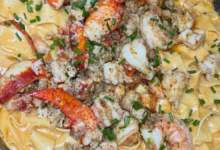
If you’d like another seafood pasta option for a future dinner, our Creamy Lobster and Shrimp Pasta offers a different combination of seafood and creamy sauce.
Frequently Asked Questions
Can I use frozen salmon and shrimp?
Yes. Thaw both safely in the refrigerator before cooking. Pat them dry thoroughly so the seasoning adheres and the seafood browns instead of steaming.
What is the best pasta for Cajun salmon and shrimp Alfredo?
Fettuccine works particularly well because its broad, flat noodles hold the creamy Parmesan sauce. Linguine can also work, although the finished texture will be slightly different.
Can I use store-bought Cajun seasoning?
Yes. However, commercial seasoning blends vary in salt content and heat. Check the label and reduce additional salt or cayenne as needed.
How do I keep the Alfredo sauce from separating?
Use moderate heat when warming the cream and low heat when adding the Parmesan. Add the cheese gradually and avoid boiling the finished sauce.
Can I cook salmon and shrimp in the same skillet?
Yes, but they should be cooked separately because their cooking times differ. Wipe away excessively dark seasoning residue between batches if necessary.
How do I know when salmon is fully cooked?
Use an instant-read thermometer inserted into the thickest part of the fillet. The recipe uses a target internal temperature of 145°F (63°C).
Can I make this recipe less spicy?
Yes. Reduce or omit the cayenne. Smoked paprika, thyme, oregano, onion powder, and garlic powder will still provide plenty of flavor.
Can I freeze leftover Alfredo pasta?
You can freeze it, but the cream sauce may separate during thawing and reheating. For better texture, freeze cooked seafood separately and make fresh pasta and sauce when serving.
How long can leftover seafood Alfredo stay refrigerated?
Refrigerate it promptly in airtight containers and use within 3–4 days. Reheat leftovers thoroughly before eating.
Key Takeaways
- Cook the Cajun-seasoned salmon separately to develop a flavorful browned crust.
- Sear the shrimp quickly in garlic butter to preserve their tenderness.
- Add freshly grated Parmesan to gently heated cream for a smoother Alfredo sauce.
- Reserve pasta cooking water to adjust the finished sauce.
- Serve immediately for the best contrast between creamy pasta, browned seafood, roasted asparagus, and crisp garlic toast.
Quick Recipe Summary
Cajun salmon and shrimp Alfredo is a homemade seafood dinner featuring blackened salmon, garlic-butter shrimp, and fettuccine coated in creamy Parmesan sauce. This version includes roasted asparagus and garlic toast and serves four people in approximately 50 minutes. The salmon is seared with smoked paprika, garlic, herbs, and cayenne, while the shrimp are cooked separately to protect their texture. The Alfredo sauce combines heavy cream, butter, garlic, and Parmesan over gentle heat. A little reserved pasta water helps the sauce coat the noodles. Serve the seafood beside the pasta and enjoy the meal while everything is warm.
More Seafood Recipes from Botainfo
Explore these related recipes for more creamy pasta dinners and seafood inspiration:
- Creamy Shrimp and Chicken Fettuccine Alfredo
- Creamy Lobster and Shrimp Pasta
- Crab and Crawfish Rolls
- Spaghetti with Fried Catfish
- Browse All Seafood Recipes
Food Safety References
For additional guidance on seafood temperatures and safe leftover storage, consult: