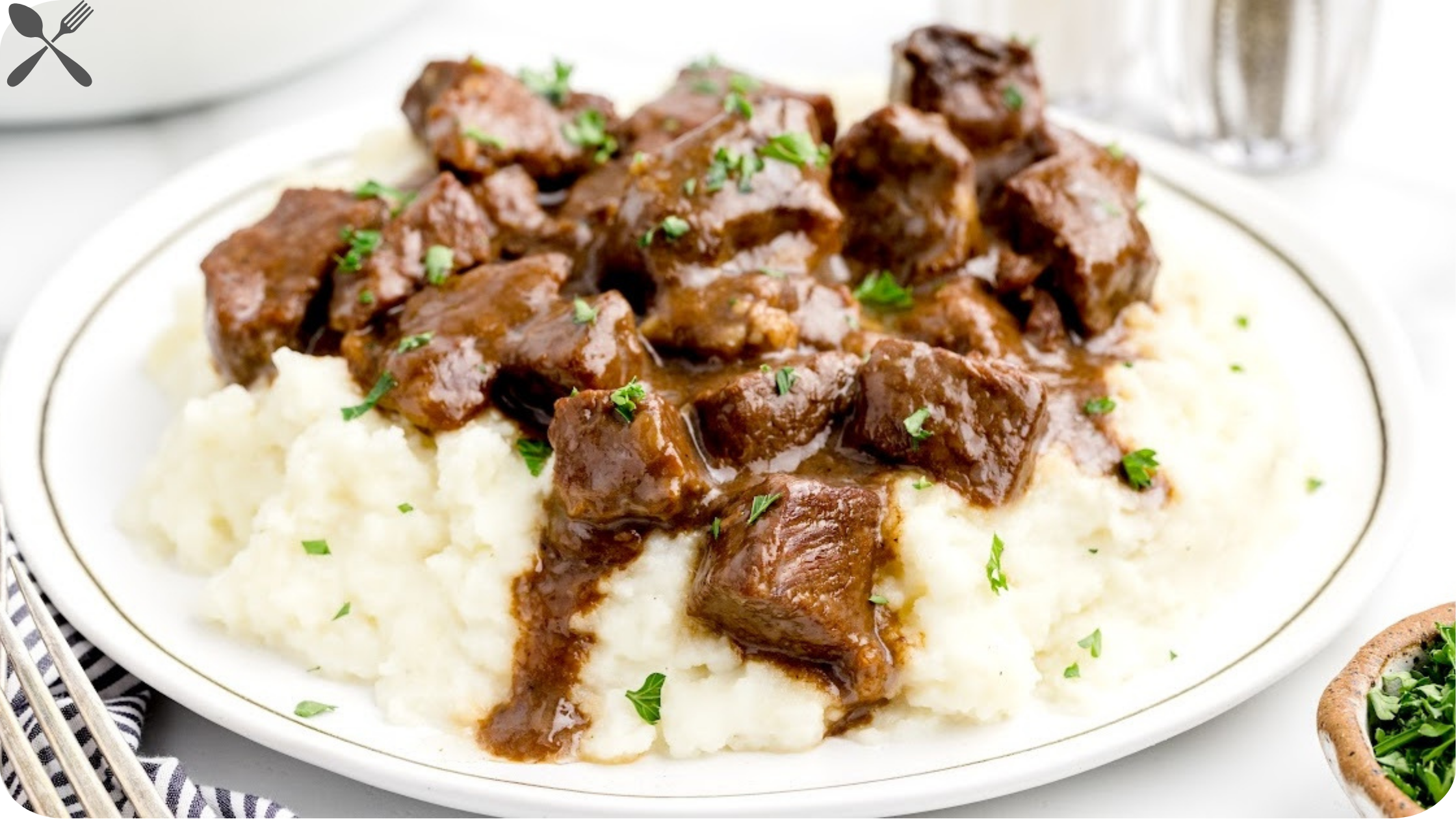
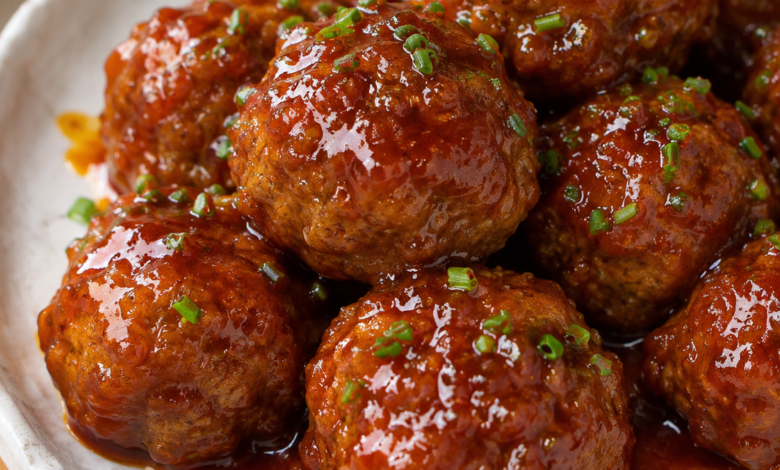
These homemade glazed beef meatballs are tender, juicy, and coated in a rich, glossy sweet-and-savory sauce. Made completely from scratch with simple pantry ingredients, they’re an easy skillet dinner that also works beautifully as a party appetizer.
Quick Answer
Homemade glazed beef meatballs are made with seasoned ground beef, milk-soaked breadcrumbs, egg, and fresh garlic. They’re browned in a skillet before simmering in a homemade ketchup, brown sugar, Worcestershire, and apple cider vinegar glaze. The result is tender, flavorful meatballs with a thick, sticky coating, ready in approximately 45 minutes.
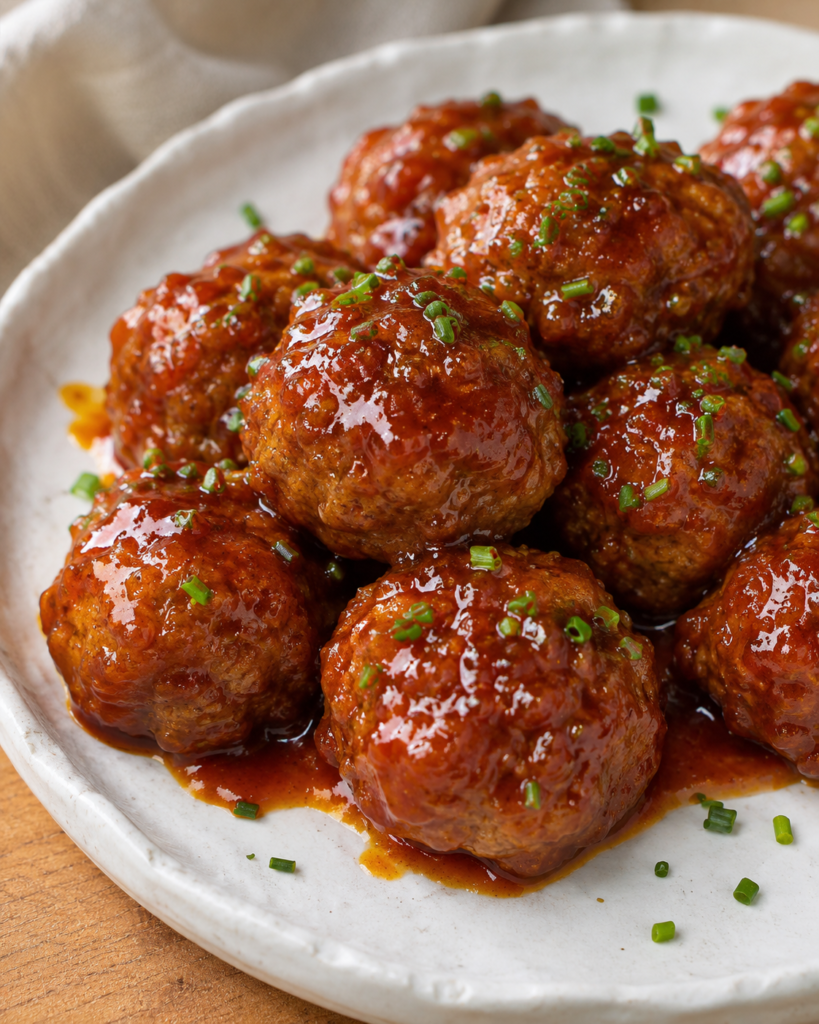
If you’re looking for a comforting ground beef dinner that doesn’t require complicated ingredients, these homemade glazed beef meatballs are a great choice. Each meatball develops a lightly browned exterior before being coated in a rich reddish-brown glaze that balances sweetness, tanginess, and savory flavor.
What makes this recipe especially satisfying is the combination of tender homemade meatballs and a simple sauce that comes together with everyday pantry staples. Milk-soaked breadcrumbs help retain moisture, while Worcestershire sauce, garlic, and onion give the beef a deeper flavor.
These meatballs are versatile enough for busy weeknight dinners, family gatherings, and casual parties. Serve them over creamy mashed potatoes, alongside rice, or with buttered egg noodles. If you enjoy hearty skillet meals, you might also like our Easy Salisbury Steak with Onion Gravy and Mashed Potatoes.
Why This Recipe Works
There are several simple techniques that make these glazed beef meatballs tender and flavorful.
Milk-Soaked Breadcrumbs Keep the Meatballs Moist
Instead of adding dry breadcrumbs directly to the ground beef, they’re first combined with milk and allowed to soften. This creates a moist mixture that helps prevent the meatballs from becoming dense during cooking.
80/20 Ground Beef Adds Richness
Ground beef with approximately 20% fat provides enough richness to keep the meatballs juicy. Very lean ground beef can produce a drier texture, especially when the meatballs are browned and simmered.
Browning Develops Better Flavor
Cooking the meatballs in olive oil before adding the sauce creates a golden-brown exterior. Those browned surfaces contribute savory flavor that complements the sweetness of the glaze.
The Homemade Glaze Balances Sweet and Tangy Flavors
Ketchup provides the tomato-based foundation, brown sugar adds sweetness, Worcestershire sauce brings savory depth, and apple cider vinegar balances everything with acidity.
Gentle Simmering Creates a Glossy Finish
The meatballs finish cooking directly in the sauce. As the glaze gently reduces, it becomes thicker and clings to the meatballs instead of remaining watery at the bottom of the skillet.
Recipe Card
| Recipe Details | Information |
|---|---|
| Prep Time | 15 minutes |
| Cook Time | 25 minutes |
| Rest Time | 5 minutes |
| Total Time | 45 minutes |
| Servings | 6 |
| Yield | Approximately 18 meatballs |
| Cuisine | American |
| Course | Dinner / Appetizer |
| Difficulty | Easy |
| Calories | Approximately 390 per serving |
Ingredients You’ll Need
This recipe uses two main components: homemade beef meatballs and a sweet-and-savory glaze.
For the Beef Meatballs
- 1 ½ pounds ground beef (80/20)
- ½ cup plain breadcrumbs
- ¼ cup whole milk
- 1 large egg
- ¼ cup finely grated yellow onion
- 2 cloves garlic, minced
- 1 teaspoon Worcestershire sauce
- 1 teaspoon salt
- ½ teaspoon black pepper
- ½ teaspoon paprika
- 1 tablespoon olive oil, for browning
For the Sticky Glaze
- ¾ cup ketchup
- ¼ cup packed light brown sugar
- 2 tablespoons Worcestershire sauce
- 1 tablespoon apple cider vinegar
- 1 tablespoon yellow mustard
- 1 teaspoon garlic powder
- 2 tablespoons water
- ¼ teaspoon black pepper
For Garnish
- 2 tablespoons finely chopped fresh chives
Important Ingredient Notes
Ground beef: An 80/20 blend is recommended because the fat helps keep the meatballs tender and flavorful.
Breadcrumbs: Plain breadcrumbs work best because they absorb the milk without introducing additional seasoning that could affect the flavor balance.
Whole milk: Helps soften the breadcrumbs and contributes to a moist meatball mixture.
Yellow onion: Finely grated onion distributes moisture and flavor throughout the meatballs without leaving large pieces.
Worcestershire sauce: Adds a savory, slightly tangy flavor to both the meat mixture and the glaze.
Apple cider vinegar: Balances the sweetness of the ketchup and brown sugar, keeping the glaze from tasting overly sweet.
Fresh chives: Add a mild onion flavor and a fresh green finish. Sprinkle them over the meatballs just before serving.
Equipment Needed
- Large mixing bowl
- Small mixing bowl
- Large skillet with a lid
- Measuring cups and spoons
- Wooden spoon or spatula
- Meat thermometer
- Plate for shaping the meatballs
A large skillet is important because the meatballs need enough room to brown properly. If your skillet is small, cook them in batches rather than overcrowding the pan.
How to Make Homemade Glazed Beef Meatballs
Follow these steps to prepare tender beef meatballs with a thick, glossy homemade glaze.
Step 1: Prepare the Breadcrumb Mixture
Add the breadcrumbs and whole milk to a large mixing bowl. Stir gently and let the mixture sit for 3–5 minutes.
The breadcrumbs should absorb most of the milk and become soft.
This step helps retain moisture inside the meatballs and prevents the breadcrumb mixture from feeling dry.
Step 2: Mix the Meatball Ingredients
Add the ground beef, egg, grated onion, minced garlic, Worcestershire sauce, salt, black pepper, and paprika to the softened breadcrumb mixture.
Mix gently with your hands or a fork until everything is evenly combined.
Avoid squeezing or working the mixture excessively. Overmixing can make the finished meatballs firm and dense.
Step 3: Shape the Meatballs
Roll the mixture into approximately 18 evenly sized meatballs, about 1½ inches in diameter.
Place them on a clean plate while you prepare the skillet.
Keeping the meatballs similar in size helps them cook at approximately the same rate.
Step 4: Brown the Meatballs
Heat the olive oil in a large skillet over medium heat.
Add the meatballs in batches, leaving enough space between them. Brown for approximately 2–3 minutes per side, turning gently until several surfaces develop a golden-brown crust.
The meatballs should look nicely browned on the outside, but they do not need to be fully cooked at this stage.
Avoid turning them too frequently. Allowing each side enough contact with the hot skillet helps develop better browning.
Step 5: Prepare the Homemade Glaze
While the meatballs are browning, combine the ketchup, brown sugar, Worcestershire sauce, apple cider vinegar, yellow mustard, garlic powder, water, and black pepper in a small bowl.
Whisk until the mixture is smooth and the brown sugar is evenly distributed.
The sauce should have a thick but pourable consistency.
Step 6: Add the Glaze
Reduce the skillet heat to medium-low.
If there is excessive grease in the skillet, carefully remove it, leaving a small amount behind for flavor.
Pour the prepared glaze over the browned meatballs. Gently turn them so the sauce begins coating their surfaces.
Step 7: Simmer Until Fully Cooked
Cover the skillet and simmer gently for approximately 8–12 minutes, turning the meatballs occasionally.
The sauce should bubble gently rather than boil aggressively.
Check the center of the largest meatball with a food thermometer. Ground beef must reach an internal temperature of 160°F for food safety.
Step 8: Finish the Sticky Glaze
Remove the lid and continue simmering for another 2–3 minutes if necessary.
Gently spoon the thickening sauce over the meatballs as they cook.
The glaze should become shiny, rich, and thick enough to cling to the meatballs without becoming burnt or excessively sticky.
Step 9: Garnish and Serve
Remove the skillet from the heat and allow the meatballs to rest for approximately 5 minutes.
Transfer them to a serving plate and spoon additional glaze over the top.
Finish with finely chopped fresh chives and serve warm while the sauce is glossy.
Chef Tips
- Choose the right ground beef. An 80/20 blend provides a good balance of flavor and moisture. Very lean beef can make the meatballs dry.
- Don’t skip the breadcrumb mixture. Allowing the breadcrumbs to absorb the milk before adding the beef helps create a softer texture.
- Grate the onion finely. Large onion pieces can make the meatballs harder to shape evenly.
- Mix gently. Combine the ingredients just until incorporated. Excessive handling can make meatballs firm.
- Brown in batches. Crowded meatballs release moisture and steam instead of developing a golden exterior.
- Prepare the glaze separately. Mixing the sauce before adding it to the skillet ensures the ingredients are evenly distributed.
- Keep the simmer gentle. Aggressive boiling can make the glaze reduce too quickly and scorch the sugar.
- Use a thermometer. Ground beef should reach 160°F internally. Don’t rely on exterior color alone.
- Adjust the glaze gradually. If it becomes too thick, add water one tablespoon at a time.
- Add the chives at the end. Fresh chives provide a cleaner flavor and retain their bright green appearance when added just before serving.
Common Mistakes to Avoid
1. Overmixing the Meatball Mixture
Overmixing develops a dense texture and can make the meatballs tough.
How to avoid it: Mix only until the ingredients are evenly combined. Stop as soon as the mixture holds together.
2. Skipping the Milk-Soaked Breadcrumbs
Dry breadcrumbs added without enough moisture can absorb liquid from the meat during cooking.
How to avoid it: Allow the breadcrumbs to soften in milk for 3–5 minutes before mixing.
3. Making Uneven Meatballs
Different sizes cook at different rates. Smaller meatballs may become dry while larger ones are still cooking.
How to avoid it: Shape approximately 18 meatballs of similar size.
4. Crowding the Skillet
Adding too many meatballs at once lowers the skillet temperature and prevents proper browning.
How to avoid it: Brown them in batches with enough space between each piece.
5. Adding the Sauce Before Browning
The meatballs need direct contact with the skillet to develop their browned exterior.
How to avoid it: Brown the meatballs first, then introduce the glaze.
6. Cooking the Glaze Over High Heat
The brown sugar in the sauce can burn if the skillet becomes too hot.
How to avoid it: Reduce the heat before adding the glaze and maintain a gentle simmer.
How to fix it: If the sauce begins thickening too quickly, lower the heat and add a tablespoon of water.
7. Guessing When the Meatballs Are Done
A browned exterior doesn’t guarantee that the centers are fully cooked.
How to avoid it: Check the center of the largest meatball with a thermometer and confirm 160°F.
Variations
Spicy Glazed Beef Meatballs
Add ½–1 teaspoon red pepper flakes or 1 tablespoon hot sauce to the glaze.
This creates a warmer, spicier finish while keeping the original sweet-and-savory flavor.
Honey Glazed Meatballs
Replace 2 tablespoons of the brown sugar with 2 tablespoons of honey.
The glaze will have a slightly different sweetness and a smooth consistency.
Garlic-Forward Meatballs
Add one additional minced garlic clove to the meat mixture.
This creates a stronger garlic flavor without changing the basic cooking method.
Turkey Meatballs
Replace the ground beef with ground turkey and add 1 tablespoon olive oil to the mixture if needed.
Turkey is leaner and may produce a slightly different texture. Cook until the center reaches 165°F.
Party-Size Meatballs
Shape the mixture into smaller meatballs of approximately 1 inch.
Reduce the simmering time and check their internal temperature to prevent overcooking.
Storage Instructions
Proper storage helps maintain the meatballs’ flavor and texture.
Room Temperature: Do not leave cooked meatballs at room temperature for more than 2 hours, or more than 1 hour when the surrounding temperature is above 90°F.
Refrigerator: Store cooked meatballs with their glaze in an airtight container for 3–4 days at 40°F or below.
Freezer: Freeze cooled meatballs together with their sauce for up to 3 months for best quality.
Best Container: Use shallow airtight containers for refrigeration or freezer-safe containers for longer storage.
Allow the meatballs to cool briefly before refrigerating, and divide larger portions into shallow containers to help them cool quickly.
For additional guidance, see the USDA FSIS recommendations for handling leftovers safely.
How to Reheat Glazed Beef Meatballs
The skillet is the best option for reheating these meatballs while keeping the sauce smooth and glossy.
Skillet Method
- Transfer the meatballs and sauce to a skillet.
- Add 1–2 tablespoons of water if the glaze has thickened too much.
- Cover and warm over medium-low heat.
- Turn the meatballs occasionally so they heat evenly.
- Check that the center reaches 165°F before serving.
Microwave Method
Place the meatballs and sauce in a microwave-safe dish.
Cover loosely and heat in short intervals, stirring or turning the meatballs between intervals.
Continue heating until they reach 165°F throughout.
Avoid overheating because it can dry out the meat and make the sauce excessively thick.
Make-Ahead Instructions
These meatballs can be prepared ahead when you want to reduce the work before dinner or a gathering.
Prepare the meatballs ahead: Mix and shape the meatballs up to one day before cooking. Arrange them in a covered container and refrigerate promptly at 40°F or below.
Prepare the glaze ahead: Whisk the glaze ingredients together and keep the mixture in a separate covered container in the refrigerator.
Finish before serving: Brown the meatballs in the skillet, add the prepared glaze, and follow the cooking instructions until they reach the required internal temperature.
You can also cook the complete recipe ahead of time, refrigerate it, and gently reheat it before serving.
Do not partially cook the meatballs and refrigerate them for later finishing.
Serving Suggestions
These glazed beef meatballs have a rich, sweet-and-savory flavor that pairs well with simple sides.
Classic Dinner Sides
- Creamy mashed potatoes
- Steamed white rice
- Buttered egg noodles
- Homemade dinner rolls
For a richer side dish, try our Garlic and Herb Mashed Potatoes. Their creamy texture complements the sticky glaze beautifully.
Vegetables
- Roasted green beans
- Garlic roasted broccoli
- Glazed carrots
- Steamed mixed vegetables
Fresh Sides
- Garden salad
- Cucumber salad
- Fresh coleslaw
Drinks
- Fresh homemade lemonade
- Unsweetened iced tea
- Sparkling water with lemon
Party Serving Ideas
For gatherings, arrange the meatballs on a large serving platter with extra glaze spooned over them. Provide toothpicks so guests can enjoy them as individual appetizers.
If you’re planning a complete comfort-food dinner, you can also explore our Ground Beef and Gravy recipe for another homemade skillet meal.
Frequently Asked Questions
1. Can I make homemade glazed beef meatballs ahead of time?
Yes. You can shape the uncooked meatballs up to one day ahead and refrigerate them in a covered container. You can also prepare the glaze separately and cook everything shortly before serving.
2. What makes homemade meatballs tender?
The combination of milk-soaked breadcrumbs, egg, and appropriately fatty ground beef helps produce tender meatballs. Gentle mixing is equally important because excessive handling can make them dense.
3. Can I use lean ground beef?
Yes, but the meatballs may be less juicy. An 80/20 ground beef blend is recommended because its fat content helps maintain moisture and flavor.
4. Can I make the glaze without brown sugar?
You can replace 2 tablespoons of the brown sugar with 2 tablespoons of honey. The flavor and consistency will change slightly, but the sauce will retain its sweet-and-savory character.
5. How do I make the meatball glaze thicker?
Simmer the sauce uncovered over medium-low heat for another minute or two. Stir gently and watch carefully to prevent the sugar from burning.
6. What temperature should beef meatballs reach?
Homemade ground beef meatballs should reach an internal temperature of 160°F. Use a food thermometer inserted into the center of the largest meatball to check doneness.
For more information, consult the FDA’s safe food handling and cooking temperature guidance.
7. Can I freeze homemade glazed beef meatballs?
Yes. Allow the cooked meatballs to cool, then freeze them together with their sauce in an airtight freezer-safe container for up to 3 months for best quality.
8. How long do cooked meatballs last in the refrigerator?
Cooked beef meatballs can be refrigerated for 3–4 days when stored properly in an airtight container at 40°F or below.
9. Can I use ground turkey instead of beef?
Yes. Ground turkey works as an alternative, although the meatballs will have a slightly different flavor and texture. Make sure turkey meatballs reach 165°F internally.
10. What should I serve with glazed beef meatballs?
Mashed potatoes, white rice, buttered noodles, roasted vegetables, and fresh salads are all excellent choices. For parties, serve them with toothpicks and extra glaze.
Key Takeaways
- Use 80/20 ground beef: The fat content helps produce juicy, flavorful meatballs.
- Soak the breadcrumbs in milk: This simple step contributes to a softer texture.
- Brown before glazing: Developing a golden exterior adds flavor and helps the sauce cling to the meatballs.
- Simmer gently: Moderate heat helps the glaze thicken without burning the brown sugar.
- Check the internal temperature: Ground beef meatballs must reach 160°F, and reheated leftovers should reach 165°F.
Quick Recipe Summary
Homemade glazed beef meatballs are prepared with 1½ pounds of ground beef, milk-soaked breadcrumbs, egg, onion, garlic, and seasonings. The meatballs are shaped, browned in olive oil, and simmered in a homemade glaze made with ketchup, brown sugar, Worcestershire sauce, mustard, and apple cider vinegar. The sauce thickens into a glossy coating as the meatballs finish cooking. Garnished with fresh chives, this easy American-style skillet recipe takes approximately 45 minutes and makes 18 meatballs, serving six people. Serve with mashed potatoes, rice, or buttered noodles, or offer them as a party appetizer.