Steak and Shrimp Boil with Cajun Garlic Butter
Quick Answer
A steak and shrimp boil combines seared beef and tender shrimp with smoked sausage, red potatoes, corn, onions, and a savory Cajun garlic butter sauce. This version cooks each component in stages instead of putting everything in one pot, which gives the steak better browning, keeps the shrimp tender, and helps every ingredient finish at the right texture.
A generous platter like this works especially well for a weekend dinner, casual gathering, or family meal when you want something hearty without making several separate dishes.
A good steak and shrimp boil is all about contrast. You want browned, juicy beef next to tender shrimp, smoky sausage, creamy potatoes, sweet corn, and onions that have softened without disappearing into the sauce.
The challenge is that none of those ingredients cook at the same speed. Steak needs high heat and time to rest. Shrimp cook in just a few minutes. Potatoes need a head start, while corn needs much less time. Cooking them separately and bringing everything together at the end makes the finished platter much more reliable.
The Cajun garlic butter ties it all together without drowning the food. A small amount of reserved potato cooking water helps the butter and seasonings cling to the steak, shrimp, sausage, and vegetables instead of separating into a greasy puddle.
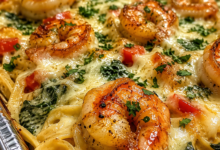
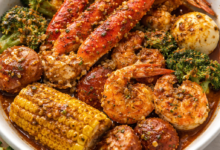
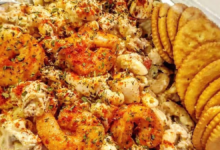
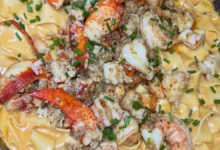
If you enjoy the combination of beef and seafood, Steak and Shrimp Quesadillas is another useful recipe to explore.

Why This Steak and Shrimp Boil Works
Each ingredient gets the cooking method it needs. The potatoes and corn are boiled, sausage is browned, steak is seared, and shrimp are cooked quickly near the end. That prevents the common problem of having tender potatoes but rubbery shrimp—or perfect shrimp with undercooked potatoes.
The steak develops a real crust. Patting the beef dry and searing it separately gives the surface direct contact with the hot skillet. Crowding it among wet vegetables would create steam and reduce browning.
The shrimp stay tender. They go into the skillet only after the steak has been removed. Large shrimp generally need about 1–2 minutes per side, so there is no reason to expose them to the full cooking time of the boil.
The sauce coats instead of pools. Reserved potato cooking water contains a little starch. Stirring some into the butter creates a more cohesive sauce that lightly clings to the other ingredients.
The platter stays recognizable. Steak, shrimp, sausage, corn, and potatoes remain distinct instead of turning into one heavily sauced mixture.
Recipe Summary
| Recipe Information | Details |
|---|---|
| Prep Time | 25 minutes |
| Cook Time | 35 minutes |
| Rest Time | 5 minutes |
| Total Time | 1 hour 5 minutes |
| Servings | 6 |
| Course | Dinner |
| Cuisine | Southern American |
| Difficulty | Intermediate |
| Estimated Calories | About 720 per serving |
Ingredients
Steak, Shrimp, and Sausage
- 1 3/4 pounds boneless top sirloin steaks, about 1 to 1 1/4 inches thick
- 1 1/2 pounds large shrimp, peeled and deveined, tails left on if desired
- 12 ounces smoked sausage, sliced into 1/2-inch rounds
- 2 tablespoons olive oil, divided
Potatoes, Corn, and Onions
- 1 1/2 pounds baby red potatoes, halved
- 4 ears corn, each cut into 3 pieces
- 1 large yellow onion, cut into thick wedges
- 1 tablespoon kosher salt, for the cooking water
Cajun Garlic Butter Sauce
- 6 tablespoons unsalted butter
- 6 garlic cloves, finely minced
- 2 teaspoons Cajun seasoning, divided
- 1 1/2 teaspoons smoked paprika
- 1 teaspoon garlic powder
- 1 teaspoon onion powder
- 1/2 teaspoon freshly ground black pepper
- 1/4 teaspoon cayenne pepper, optional
- 1 tablespoon Worcestershire sauce
- 1/3 cup reserved potato cooking water
- 2 tablespoons chopped fresh parsley
Ingredient Notes
Top sirloin: Sirloin works well because it is beefy, relatively lean, easy to sear, and substantial enough to stand beside the shrimp and sausage. Ribeye gives you a richer result, while New York strip is another good option. Whichever cut you choose, steaks of similar thickness are easier to cook consistently.
Large shrimp: Larger shrimp give you a little more margin before overcooking and remain visually distinct among the potatoes and corn. Frozen shrimp are fine if they are fully thawed, drained, and patted dry first.
Smoked sausage: Its smoky, savory flavor gives the platter another layer without requiring a separate seasoning mixture. Because sausage and Cajun seasoning may already contain plenty of salt, taste before adding extra salt later.
Unsalted butter: Starting with unsalted butter gives you better control over the final seasoning.
Cajun seasoning: Brands vary considerably in salt and heat. If yours is particularly salty, season cautiously elsewhere.
Equipment
- Large stockpot
- Colander or slotted spoon
- Large heavy skillet or cast-iron skillet
- Tongs
- Sharp knife
- Cutting board
- Instant-read thermometer
- Large serving platter
How to Make Steak and Shrimp Boil
1. Season the steak
Pat the steaks very dry with paper towels. Season with 1 teaspoon Cajun seasoning, 1/2 teaspoon smoked paprika, and the black pepper.
Let the steaks sit while you start the vegetables. Removing surface moisture matters because wet beef steams before it browns.
2. Cook the potatoes
Bring a large pot of water and the kosher salt to a boil. Add the halved red potatoes and cook for 10–12 minutes.
At this point, a knife should enter the potatoes with some resistance. They should be partially cooked rather than fully soft.
3. Add the corn
Add the corn pieces to the same pot and cook for another 4–5 minutes.
The corn should turn bright yellow, and the potatoes should now be fork-tender while still holding their shape.
4. Reserve some cooking water
Scoop out 1/3 cup of the potato cooking water before draining the vegetables.
Drain the potatoes and corn thoroughly and give them a minute for excess moisture to evaporate. Very wet vegetables will dilute the garlic butter later.
5. Brown the sausage
Heat 1 tablespoon olive oil in a large heavy skillet over medium-high heat.
Add the sausage in a single layer and cook for 3–4 minutes, turning once, until the cut sides develop noticeable browning. Transfer it to a plate.
That browned surface adds more flavor than simply warming the sausage in the sauce.
6. Sear the steak
Add the remaining tablespoon of olive oil to the hot skillet.
Place the steaks in the pan without crowding and sear for approximately 3–5 minutes per side, adjusting for thickness and desired doneness.
For food safety, whole cuts of beef should reach at least 145°F internally and rest for at least 3 minutes.
[EXTERNAL LINK: USDA Safe Minimum Internal Temperature for Beef]
7. Rest the steak
Transfer the steaks to a cutting board and let them rest for at least 5 minutes.
Do not slice immediately. Resting reduces the amount of juice that runs onto the cutting board.
8. Cook the onions
Reduce the skillet to medium heat and add the onion wedges.
Cook for 3–4 minutes, stirring occasionally. They should soften and become lightly translucent around the edges while retaining enough structure to remain visible on the finished platter.
9. Cook the shrimp
Add the shrimp to the onions and season with the remaining 1 teaspoon Cajun seasoning and 1 teaspoon smoked paprika.
Cook for approximately 1–2 minutes per side. The shrimp are ready when they are opaque, firm, and naturally curled.
Avoid waiting until they form tight little circles. That is a common sign that shrimp have gone past their best texture.
10. Make the Cajun garlic butter
Reduce the heat to medium-low. Add the butter and minced garlic.
Cook for about 30 seconds, just until the garlic smells fragrant. Do not let it become dark brown.
Stir in the garlic powder, onion powder, cayenne if using, and Worcestershire sauce.
11. Finish the sauce
Gradually stir in the reserved cooking water and cook for 1–2 minutes.
The sauce should become cohesive enough to lightly coat a spoon. It should still look buttery and fluid, not thick like gravy.
12. Coat the vegetables and sausage
Return the potatoes, corn, and browned sausage to the skillet.
Gently turn everything through the sauce for 2–3 minutes, until warmed through and evenly coated. Handle the potatoes carefully so they do not break apart.
13. Slice the steak
Slice the rested steak across the grain into thick pieces.
Cutting across the grain shortens the muscle fibers and makes each bite easier to chew.
14. Assemble the platter
Arrange the potatoes, corn, sausage, onions, shrimp, and sauce on a large warm serving platter.
Place the sliced steak prominently through the center and spoon only enough garlic butter over it to season the meat without hiding its browned surface.
15. Finish and serve
Scatter the chopped parsley over the platter and serve immediately.
The steak should still be juicy, the shrimp tender, and the vegetables hot when the dish reaches the table.
Chef Tips
- Use steaks of similar thickness. They are much easier to bring to the same doneness.
- Dry both steak and thawed shrimp well. Excess water interferes with browning.
- Let the skillet become properly hot before adding steak. A lukewarm pan produces gray, steamed meat.
- Brown sausage in one layer. If the pieces pile on top of one another, they release moisture instead of developing browned edges.
- Keep a little extra cooking water nearby. If the sauce becomes too concentrated, 1–2 tablespoons can loosen it without making it watery.
- Taste before adding more salt. Cajun seasoning, Worcestershire sauce, and smoked sausage all contribute seasoning.
- Add garlic over reduced heat. Burnt garlic can make the entire butter sauce taste bitter.
- Cook shrimp last. They need far less time than every other major ingredient.
- Slice steak across the grain. This is especially helpful with top sirloin.
- Use a wide platter rather than a deep bowl. It keeps the steak and shrimp visible instead of burying them beneath the potatoes and corn.
Common Mistakes to Avoid
Overcooking the shrimp
Shrimp cook very quickly. Leaving them in the pan while you finish all the other ingredients makes them firm and rubbery.
Avoid it: Cook them near the end and remove the skillet from strong heat once they are opaque.
If it happens: There is no reliable way to reverse overcooked shrimp, so serve them promptly and shorten the cooking time next time.
Crowding the steak
A crowded skillet loses heat and traps steam.
Avoid it: Give the steaks space or sear in batches if your skillet is small.
Cutting steak before it rests
Juices run out rapidly when hot steak is sliced immediately.
Avoid it: Rest the meat for at least 5 minutes before cutting.
Overcooking the potatoes
Potatoes that become too soft in the boiling water can break apart when tossed with the sauce.
Avoid it: Test with a knife and drain once fork-tender.
Burning the garlic
Garlic changes from fragrant to bitter quickly.
Avoid it: Lower the skillet temperature before adding butter and garlic.
Leaving the vegetables too wet
Water clinging to potatoes and corn thins the sauce.
Avoid it: Drain well and let surface moisture evaporate briefly.
Oversalting the finished dish
The sausage and some Cajun seasoning blends already contain significant salt.
Avoid it: Taste the sauce before making final seasoning adjustments.
Making the sauce too thick
This should be a light seasoned butter coating, not gravy.
Avoid it: Add cooking water gradually and stop once the sauce lightly coats the ingredients.
Variations
Spicier Cajun Steak and Shrimp Boil
Increase the cayenne to 1/2 teaspoon and use a spicy smoked sausage. The cooking method remains the same, but the finished dish will have a stronger chile kick.
Mild Family Version
Leave out the cayenne and choose a mild Cajun seasoning. You will still get the garlic, paprika, butter, and smoky sausage flavors without as much heat.
Extra-Shrimp Version
Increase the shrimp to 2 pounds and reduce the steak to about 1 1/4 pounds.
If your skillet becomes crowded, cook the shrimp in batches. Crowding them encourages steaming.
Dairy-Free Version
Replace the butter with a dairy-free cooking butter that performs well over direct heat.
The flavor will change slightly, but the basic cooking method remains workable.
Storage Instructions
Room temperature: Do not leave the finished steak and shrimp boil at room temperature for more than 2 hours.
Refrigerator: Transfer leftovers to airtight containers and refrigerate for up to 3 days.
Freezer: The steak, sausage, and sauce tolerate freezing better than the shrimp, potatoes, and corn. For the best overall texture, refrigeration is preferable. If necessary, the steak and sauce can be frozen for up to 2 months.
Best container: Shallow airtight containers help leftovers cool more efficiently.
When practical, store the steak separately from the shrimp and vegetables. That makes reheating easier because you can add the proteins back only when the other ingredients are nearly hot.
How to Reheat Steak and Shrimp Boil
A skillet is the best choice because it lets you control how long each ingredient stays on the heat.
Place the potatoes, corn, sausage, and onions in a skillet with 1–2 tablespoons of water. Cover and warm over medium-low heat for about 4–6 minutes.
Add the steak and shrimp only for the final 1–2 minutes, just long enough to heat them through. Prolonged reheating makes shrimp rubbery and can dry out the beef.
For individual portions, a microwave will work. Use reduced power and short intervals instead of one long high-power cycle.
Make-Ahead Instructions
You can do much of the prep ahead, but steak and shrimp are best cooked close to serving.
Up to a day in advance, you can:
- Cut the potatoes.
- Cut the corn into pieces.
- Slice the sausage.
- Cut the onion.
- Measure the dry seasonings.
- Mince the garlic and refrigerate it in a covered container.
Keep the raw steak and shrimp refrigerated separately. Wait to season and cook the steak close to mealtime, and cook the shrimp shortly before the platter is assembled.
The potatoes and corn can also be par-cooked earlier in the day, cooled promptly, refrigerated, and finished in the garlic butter during final assembly.
Serving Suggestions
This is already a substantial dinner, so side dishes can stay simple.
A crisp green salad or cucumber-and-tomato salad adds freshness without competing with the seasoned butter sauce. Creamy coleslaw works well if you want a more traditional cookout-style side.
Warm crusty bread is useful for catching the garlic butter left on the platter. For another potato-based side when serving a larger group, Easy Potato Salad can round out a casual spread.
For drinks, iced tea, lemonade, or sparkling water with citrus are easy matches.
If you want to continue the Cajun-style flavor profile with another meal, Zesty Cajun Shrimp Sausage Pasta is a natural related recipe. The Botainfo sitemap includes both that recipe and an existing potato salad page.
Frequently Asked Questions
What steak is best for a steak and shrimp boil?
Top sirloin is a practical choice because it sears well, has good beef flavor, and is easy to slice for a family-style platter. Ribeye is richer, while New York strip also works well.
Can I use frozen shrimp?
Yes. Thaw the shrimp completely, drain them, and pat them dry before cooking. Excess moisture can cause them to steam rather than sauté.
Should I peel the shrimp first?
You can. Peeled and deveined shrimp are easier to eat from a mixed platter. Leaving the tails on is optional and mostly affects presentation and handling.
How do I keep shrimp from becoming rubbery?
Cook them briefly and near the end of the recipe. Large shrimp usually need only about 1–2 minutes per side in a hot skillet. Stop once they are opaque and naturally curled.
Why aren’t the steak and shrimp cooked together?
They require very different cooking times. Steak benefits from a hard sear and resting period, while shrimp cook within minutes. Preparing them separately gives you much better control over both.
Can I leave out the sausage?
Yes. The boil will lose some smoky flavor, but the steak, shrimp, vegetables, and garlic butter still work together. Taste the sauce after removing the sausage because the overall salt level may also change.
Is steak and shrimp boil very spicy?
Not necessarily. Most of the heat comes from the Cajun seasoning and optional cayenne. Choose a mild Cajun blend and omit the cayenne for a gentler version.
Can I freeze steak and shrimp boil?
You can freeze parts of it, but the overall texture is better after refrigeration. Steak, sausage, and sauce freeze more successfully than shrimp and cooked potatoes.
Can I make it ahead?
Prep the vegetables, sausage, garlic, and seasonings ahead, but cook the steak and shrimp near serving time. This protects their texture.
What should I serve with steak and shrimp boil?
Crusty bread, coleslaw, a simple green salad, cucumber and tomato salad, or another light vegetable side work well because the main platter is already filling.
Key Takeaways
- Cook the potatoes, corn, sausage, steak, and shrimp in stages so each reaches the right doneness.
- Sear dry steak in a hot skillet for better browning, then rest it before slicing.
- Add shrimp near the end and stop cooking as soon as they are opaque and curled.
- Reserved potato cooking water helps the garlic butter coat the ingredients more evenly.
- Refrigerate leftovers for up to 3 days and reheat gently, adding steak and shrimp only near the end.
Quick Recipe Summary
Steak and shrimp boil is a family-style dinner made with seared top sirloin, large shrimp, smoked sausage, red potatoes, corn, onions, and Cajun garlic butter. The potatoes begin cooking first, followed by the corn, while the sausage, steak, onions, and shrimp are prepared separately in a skillet. Reserved potato cooking water helps turn the seasoned butter into a light coating for the finished ingredients. Rest the steak before slicing, cook the shrimp only until opaque, and assemble everything immediately before serving. Leftovers keep refrigerated for up to 3 days and are best reheated gently in a skillet.
More Recipes
- Steak and Shrimp Quesadillas
- Garlic Steak Potato Foil Packets
- Zesty Cajun Shrimp Sausage Pasta
- Creamy Garlic Butter Steak Pasta
- Creamy Lobster Shrimp Pasta
Useful links
- USDA Safe Minimum Internal Temperatures
- USDA Leftovers and Food Storage
- FDA Food Safety During Preparation
- Cooperative Extension Guide to Baking Potatoes
- MyPlate Vegetable Serving Guidance