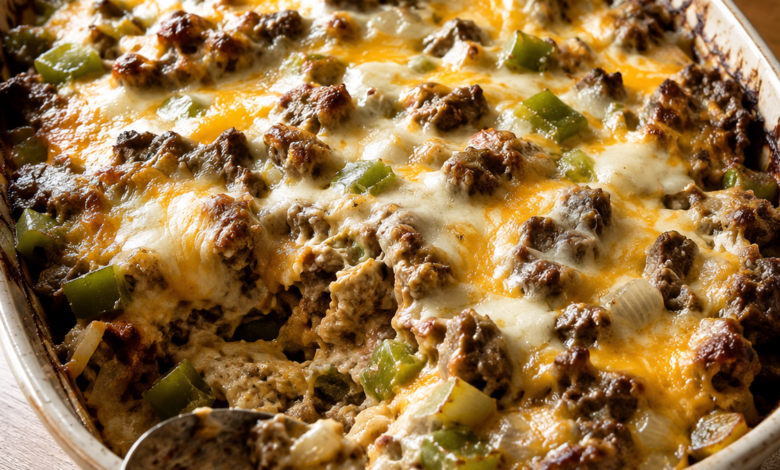
Philly Cheesesteak Casserole With Beef and Peppers
Quick Answer
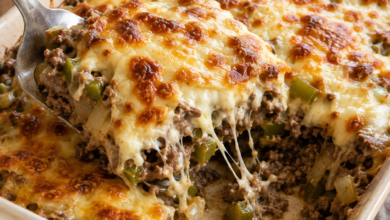
Philly cheesesteak casserole combines deeply browned beef, green bell peppers, onions, and plenty of melted provolone and cheddar in a creamy baked filling. This ground-beef version takes about 1 hour from start to finish, serves eight, and works especially well for a family dinner when you want cheesesteak flavors without assembling individual sandwiches.
Philly cheesesteak casserole is all about getting a few simple things right: flavorful browned beef, peppers that still have some texture, a filling that stays creamy instead of watery, and enough melted cheese to cover the casserole without hiding everything underneath.
Ground beef makes this version especially practical for a weeknight. It browns quickly, distributes evenly through the casserole, and pairs naturally with the peppers, onions, Worcestershire sauce, provolone, and cheddar.
If you enjoy Philly-inspired comfort food, Cheesy Philly Rice Bake is another useful dinner idea already in the Botainfo recipe collection.
Why This Philly Cheesesteak Casserole Works
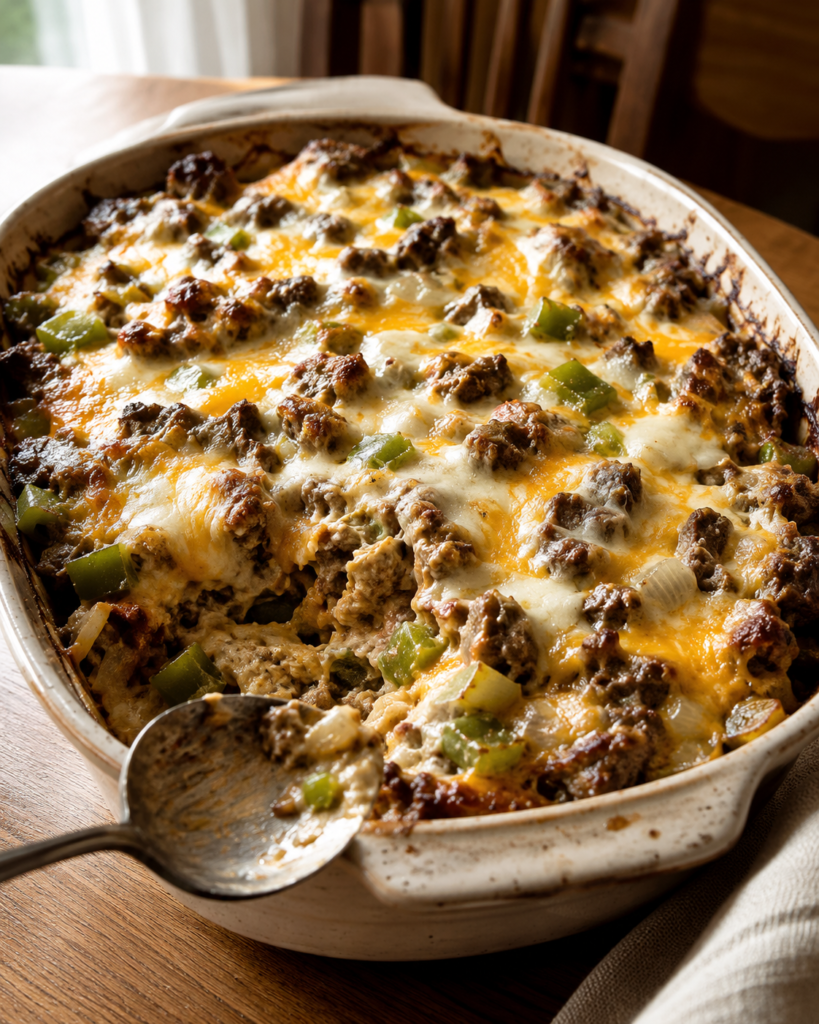
The beef is browned before the vegetables are added. That matters because beef needs good contact with a hot skillet to develop those dark, savory edges. Adding everything at once can release too much moisture and leave the meat looking more steamed than browned.
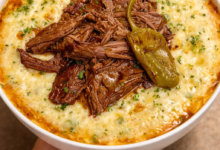
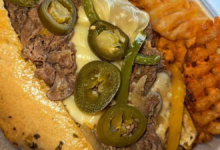
The peppers and onions go in afterward. The onion has time to soften, while the green pepper remains recognizable instead of disappearing into the filling.
A small cream cheese mixture gives the casserole its creamy texture. It coats the beef rather than turning the dish into a loose sauce. Worcestershire and Dijon add savory depth and balance without overwhelming the cheesesteak-style flavor.
Finally, provolone and cheddar do different jobs. Provolone gives the casserole a mild, creamy cheesesteak character, while cheddar adds stronger color and a richer cheese flavor. A quick broil can create the irregular browned spots and bubbling edges that make the finished casserole especially appetizing.
Recipe Card
| Recipe Information | Details |
|---|---|
| Prep Time | 20 minutes |
| Cook Time | 35 minutes |
| Rest Time | 5 minutes |
| Total Time | 1 hour |
| Servings | 8 |
| Course | Main Course |
| Cuisine | American |
| Difficulty | Easy |
| Estimated Calories | About 510 per serving |
| Oven Temperature | 375°F |
Ingredients
Beef and Vegetables
- 2 pounds ground beef, preferably 85% lean
- 1 tablespoon olive oil, only if needed
- 2 medium green bell peppers, cut into ¾-inch pieces
- 1 large yellow onion, chopped into ½-inch pieces
- 3 cloves garlic, minced
- 1 teaspoon kosher salt, divided, plus more to taste
- ½ teaspoon freshly ground black pepper
- 1 teaspoon Worcestershire sauce
Creamy Cheese Mixture
- 6 ounces cream cheese, softened
- ⅓ cup heavy cream
- 1 teaspoon Dijon mustard
- ½ teaspoon garlic powder
- ½ teaspoon onion powder
Cheese Topping
- 8 ounces provolone cheese, shredded or torn into small pieces
- 1½ cups shredded sharp cheddar cheese
Ingredient Notes
Ground beef: An 85% lean blend provides enough fat for good flavor and browning without leaving the casserole excessively greasy. Drain the skillet if a substantial amount of rendered fat remains after browning.
Green bell peppers: Cut them into fairly chunky pieces. Small dice can become too soft during sautéing and baking.
Cream cheese: Let it soften before mixing. Cold cream cheese is much harder to blend evenly with heavy cream.
Provolone: Tearing or shredding the cheese creates natural pockets and folds as it melts.
Cheddar: Freshly shredded cheddar generally incorporates more smoothly into the topping than cheese with a heavy anti-caking coating.
Equipment
- Large 12-inch skillet
- 9 × 13-inch or approximately 3-quart baking dish
- Wooden spoon or sturdy spatula
- Small mixing bowl
- Measuring cups and spoons
How to Make Philly Cheesesteak Casserole
1. Preheat the oven
Heat the oven to 375°F and lightly grease a 9 × 13-inch baking dish.
Having the oven fully heated before the casserole goes in helps the cheese melt evenly once the filling is assembled.
2. Brown the beef
Place a large skillet over medium-high heat. Add the ground beef and break it into irregular bite-size pieces rather than very fine crumbs.
Cook for 7–9 minutes, turning occasionally, until the meat develops deep brown areas and no raw sections remain.
Avoid constant stirring. Giving the beef a little uninterrupted contact with the skillet helps create better browning.
Ground beef should ultimately reach a safe internal temperature of 160°F measured with a food thermometer; color alone isn’t a reliable safety test.
3. Remove excess fat
Check the bottom of the skillet. If more than roughly 2 tablespoons of rendered fat have accumulated, carefully drain the excess.
You want enough fat left to help cook the vegetables, but not so much that oil collects around the edges of the finished casserole.
4. Cook the peppers and onions
Add the green peppers and onion to the beef. Season with ½ teaspoon salt and the black pepper.
Cook for 5–6 minutes, stirring occasionally.
The onion should become translucent and begin picking up a little color. The peppers should soften slightly but still retain their shape and bright green appearance.
5. Add garlic and Worcestershire
Stir in the minced garlic and Worcestershire sauce. Cook for 30–60 seconds.
Stop once the garlic smells fragrant. Garlic can turn bitter if allowed to darken too much.
6. Make the creamy mixture
In a small bowl, combine the softened cream cheese, heavy cream, Dijon mustard, garlic powder, onion powder, and remaining ½ teaspoon salt.
Stir until mostly smooth.
A few tiny cream cheese streaks are fine; they will disappear as the mixture warms.
7. Finish the filling
Reduce the skillet heat to low and fold the cream cheese mixture into the beef and vegetables.
Cook for 1–2 minutes, just until everything is evenly coated.
The filling should look creamy but not soupy. If liquid is visibly collecting at the bottom of the skillet, continue cooking briefly before transferring it to the baking dish.
8. Assemble the casserole
Transfer the beef mixture to the prepared baking dish.
Spread it evenly without pressing it into a dense layer. Leaving the surface naturally irregular allows some beef and vegetables to remain visible between the cheese.
9. Add the cheese
Scatter the provolone over the filling, followed by the cheddar.
You don’t need perfectly uniform coverage. Small exposed areas of peppers and browned beef give the finished casserole a more natural appearance.
10. Bake
Bake uncovered for 18–22 minutes.
The casserole is ready for the finishing step when the cheese is fully melted and the filling is bubbling around the edges.
11. Broil briefly
For a more deeply browned cheese topping, switch the oven to broil for 1–2 minutes.
Stay near the oven. Broilers work quickly, and the goal is scattered golden-brown spots rather than a dark crust across the entire casserole.
12. Rest before serving
Remove the baking dish and let the casserole stand for 5 minutes.
That short rest gives the creamy filling time to settle and makes the casserole easier to portion without losing the soft, melted texture.
How to Keep Philly Cheesesteak Casserole From Getting Watery
Excess moisture usually starts before the casserole reaches the oven.
First, drain excessive rendered fat after browning the beef. Then cook the peppers and onions uncovered so some of their moisture can evaporate.
The cream cheese mixture should lightly coat the beef rather than pool underneath it. If the skillet looks watery after everything is combined, cook it another minute or two over low heat before assembling the casserole.
Finally, bake the dish uncovered. Covering traps additional steam.
How to Get Better Browning on the Beef
Use a skillet large enough to give the meat room.
Once the beef hits the hot pan, avoid immediately stirring it into tiny pieces. Let portions sit against the skillet long enough to brown before turning them.
If your skillet is small, cook the beef in two batches. A crowded skillet holds more moisture around the meat, which works against the deeply browned appearance wanted in this casserole.
Best Cheese for Philly Cheesesteak Casserole
Provolone
Provolone brings the mild, creamy cheese character most closely associated with the cheesesteak inspiration behind the casserole.
Cheddar
Sharp cheddar adds stronger flavor and the golden-orange color visible across the top.
Using both cheeses gives the casserole more visual contrast and a fuller cheese flavor than relying entirely on one variety.
Can I Substitute Another Cheese?
Mozzarella can replace some of the provolone if necessary, although its flavor is milder. Monterey Jack is another good melting option, but it changes the overall flavor profile.
The result won’t be identical, so keep at least some provolone if maintaining the Philly cheesesteak-style character is important.
Can You Use Steak Instead of Ground Beef?
Yes. Replace the ground beef with 2 pounds of thinly sliced sirloin or shaved beef.
Sear the steak quickly in batches over high heat and remove it from the skillet. Cook the peppers and onions separately, then return the beef before adding the creamy mixture.
The steak version has a texture closer to a traditional cheesesteak, while ground beef is easier to find, economical, and convenient for a casserole.
Chef Tips
- Don’t break the beef into extremely fine crumbs; irregular pieces give the filling more texture.
- Use a wide skillet so moisture can evaporate efficiently.
- Keep the peppers slightly firm before baking because they’ll continue cooking in the oven.
- Soften the cream cheese before beginning the recipe.
- Drain excess beef fat rather than trying to balance a greasy filling with more dairy.
- Taste the beef mixture before assembling and adjust the seasoning if necessary.
- Tear or shred provolone instead of arranging perfectly uniform slices.
- Leave a few areas of beef and peppers visible through the cheese.
- Broil only long enough to create scattered browned areas.
- Rest the casserole for 5 minutes before serving so the creamy filling settles.
Common Mistakes to Avoid
Overcrowding the beef: Too much meat packed into a small skillet can limit browning. Use a large pan or cook in batches.
Making the beef too fine: Tiny crumbles can make the casserole feel uniform and less substantial. Keep some larger pieces.
Leaving too much grease: Excess rendered fat can collect around the edges during baking. Drain it before adding the creamy mixture.
Overcooking the peppers: Fully tender peppers going into the oven can become mushy after another 20 minutes of baking.
Using cold cream cheese: It can leave noticeable lumps. Softened cream cheese blends much more easily.
Making the filling too loose: If you see liquid pooling in the skillet, cook it down before assembling.
Walking away while broiling: The difference between browned cheese and burned cheese can be very short. Watch continuously.
Variations
Steak Version
Use shaved beef or thinly sliced sirloin instead of ground beef. Sear quickly and avoid overcooking before baking.
Mushroom Cheesesteak Casserole
Add 8 ounces sliced mushrooms. Brown them separately until their released moisture has evaporated, then fold them into the beef mixture.
Spicy Version
Add a finely chopped jalapeño with the bell peppers or ¼–½ teaspoon crushed red pepper to the filling.
Extra-Provolone Version
Replace ½ cup of cheddar with more provolone. The topping will be paler and milder but will lean more heavily into the provolone flavor.
Small-Batch Version
Halve the ingredients and use an 8-inch square baking dish. Begin checking the casserole after about 15 minutes of baking.
Storage Instructions
Room Temperature
Don’t leave the finished casserole at room temperature for more than 2 hours; when ambient temperatures are above 90°F, USDA guidance shortens that limit to 1 hour.
Refrigerator
Transfer cooled leftovers to covered, preferably shallow containers and refrigerate promptly.
Use refrigerated leftovers within 3–4 days.
Freezer
For the best eating quality, portion the cooled casserole into airtight freezer-safe containers and use within about 2 months.
Freezing individual portions also makes it easier to thaw only what you need.
How to Reheat
The oven is the best option when you want to preserve the casserole’s soft interior and melted topping.
Place a portion in an oven-safe dish, cover loosely with foil, and heat at 350°F until thoroughly hot. Remove the foil near the end if you want the cheese exposed.
For quick reheating, microwave individual portions in shorter intervals rather than one long cycle.
USDA guidance recommends reheating leftovers to 165°F.
Make-Ahead Instructions
The beef-and-vegetable filling can be prepared ahead.
Cook the filling through the cream cheese stage, allow it to cool, then refrigerate it in an airtight container. When you’re ready to bake, transfer it to the casserole dish, add the provolone and cheddar, and bake.
For the best texture, assemble and bake within the next day rather than leaving the vegetables in the creamy mixture for several days.
Serving Suggestions
Because the casserole itself is rich and cheesy, simple sides work especially well.
Try it with:
- Crisp green salad with vinaigrette
- Roasted broccoli
- Green beans
- Cucumber and tomato salad
- Oven-roasted potatoes
- Garlic bread
- Toasted hoagie rolls
- Pickled peppers
You can also spoon the casserole into toasted hoagie rolls for a more sandwich-like meal.
Iced tea, sparkling water with lemon, or cola all fit naturally with this casual American comfort-food dinner.
Frequently Asked Questions
Can I use steak instead of ground beef?
Yes. Thinly sliced sirloin or shaved beef works well. Sear it quickly in batches and return it to the pan after cooking the peppers and onions.
Why is my Philly cheesesteak casserole watery?
Common causes include undrained beef fat, moisture released by peppers and onions, or transferring the filling before excess liquid has cooked away.
What cheese is best for Philly cheesesteak casserole?
Provolone is the main choice in this version, with sharp cheddar added for extra flavor and color.
Do I have to use cream cheese?
No, but removing it changes the filling significantly. Cream cheese helps create the creamy coating that holds the beef and vegetables together.
Can I add mushrooms?
Yes. Brown mushrooms separately first so their excess moisture doesn’t make the casserole watery.
Can I prepare it ahead?
Yes. Prepare the beef filling ahead, refrigerate it, and add the cheese before baking.
Can Philly cheesesteak casserole be frozen?
Yes. Cool it promptly, portion it into airtight freezer-safe containers, and freeze. Thawing overnight in the refrigerator generally makes reheating more even.
How do I keep the peppers from becoming mushy?
Stop sautéing them while they still have some firmness. They’ll continue cooking in the oven.
What should I serve with it?
A green salad or roasted vegetable balances the rich casserole well. Garlic bread, potatoes, or toasted hoagie rolls make the meal more substantial.
How do I reheat leftovers without drying them out?
Reheat covered in a 350°F oven and uncover near the end. Covering helps retain moisture while the casserole warms through.
Key Takeaways
- Brown the beef well before adding the vegetables.
- Keep green peppers slightly firm before the casserole goes into the oven.
- Drain excess fat and cook away excess moisture to avoid a watery filling.
- Provolone provides creamy cheesesteak-style flavor while cheddar adds color and richness.
- Store leftovers promptly and use refrigerated portions within 3–4 days.
Quick Recipe Summary
Philly cheesesteak casserole is a family-style baked dinner made with browned ground beef, green bell peppers, onions, garlic, Worcestershire sauce, and a lightly creamy filling. The beef mixture is topped with provolone and cheddar, then baked at 375°F until hot and bubbling. A brief broil creates browned cheese spots, while a 5-minute rest helps the filling settle before serving. For the best texture, brown the beef thoroughly, avoid overcooking the peppers, drain excess fat, and make sure the filling isn’t watery before transferring it to the baking dish.
More Recipes
- Cheesy Philly Rice Bake
- Philly Cheesesteak Pasta Bake
- Loaded Cheeseburger Casserole
- Ground Beef and Gravy
- Beef Enchilada Casserole
Useful Links
- USDA Safe Minimum Internal Temperatures
- USDA Leftovers and Food Storage
- FDA Food Safety During Preparation
- Cooperative Extension Guide to Baking Potatoes
- MyPlate Vegetable Serving Guidance