What Is the Best Way to Make Old-Fashioned Pepper Steak and Rice?
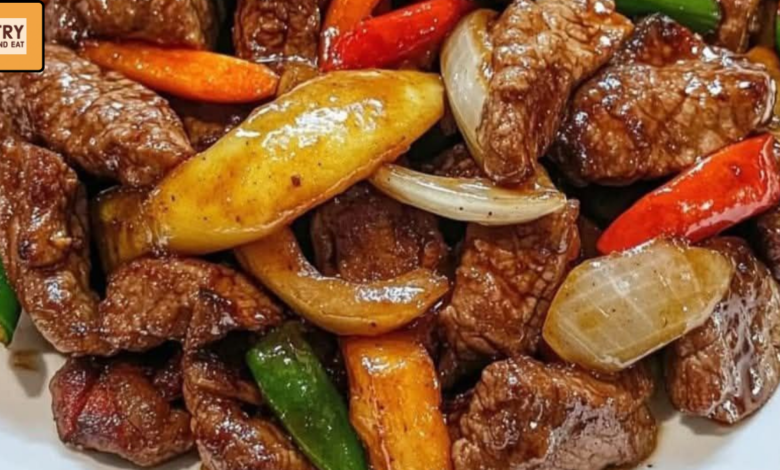
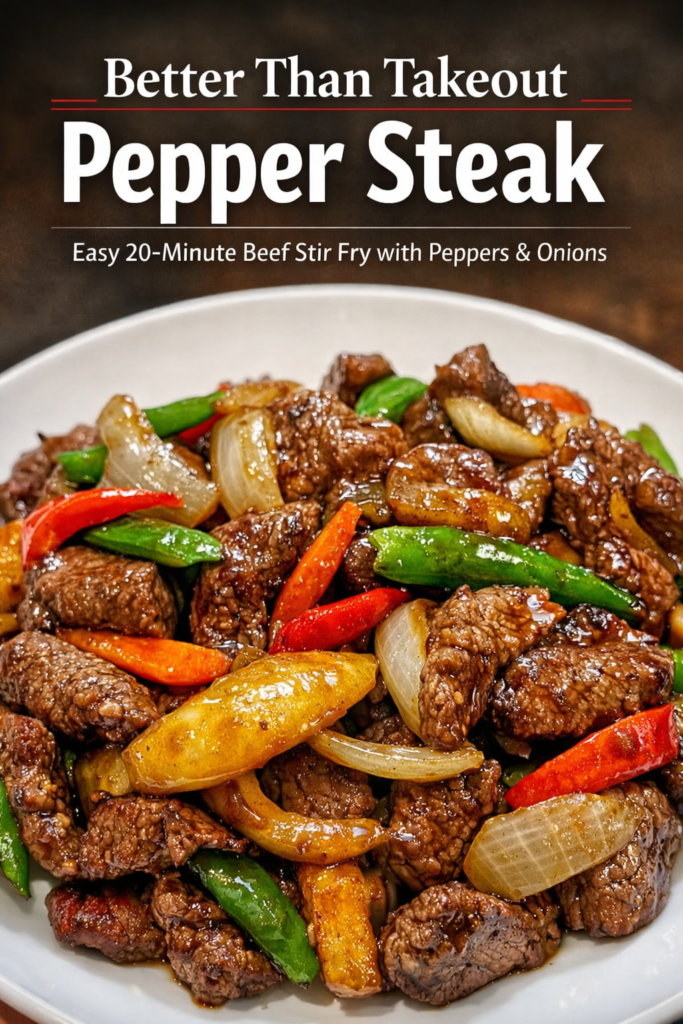
The best way to make old-fashioned pepper steak and rice is to quickly sear tender strips of beef in a hot skillet, cook bell peppers and onions until crisp-tender, then simmer everything in a savory brown sauce and serve it over fluffy white rice.
This classic dish became a weeknight staple across American households because it’s fast, affordable, and packed with flavor. In most kitchens, it comes together in about 30 minutes using one pan, making it perfect for busy evenings.
Below, you’ll learn exactly how to make it step by step, plus tips that help the beef stay tender, the sauce glossy, and the vegetables vibrant.
Why Pepper Steak and Rice Became an American Favorite
Pepper steak originally came from Chinese stir-fry cooking, but American home cooks adapted it decades ago. By the 1970s and 1980s, it appeared regularly in family cookbooks and community potlucks.
Several reasons explain its popularity:
- Simple ingredients found in almost every grocery store
- Budget-friendly beef cuts work well
- One-pan cooking
- Quick preparation time
- Great leftovers
In many Midwest households, this dish is served over white rice with extra sauce, while in some Southern kitchens people add a little gravy or extra onions for sweetness.
Ingredients for Classic Pepper Steak and Rice
Here’s what you need for the traditional skillet version.
For the Pepper Steak
- 1 lb beef sirloin or flank steak, sliced thin
- 2 tablespoons vegetable oil
- 1 green bell pepper, sliced
- 1 red bell pepper, sliced
- 1 medium onion, sliced
- 1 cup carrots or snap peas (optional but common in American versions)
- 2 cloves garlic, minced
- 1 teaspoon fresh ginger (optional)
For the Sauce
- ¼ cup soy sauce
- 1 cup beef broth
- 1 tablespoon cornstarch
- 1 tablespoon brown sugar
- 1 teaspoon black pepper
- 1 teaspoon sesame oil (optional)
For Serving
- 3 cups cooked white rice
Tip: Long-grain white rice is the most traditional pairing because it absorbs the sauce well.
Best Cuts of Beef for Pepper Steak
The key to tender pepper steak is choosing the right cut and slicing it properly.
Good options include:
- Flank steak
- Sirloin steak
- Flat iron steak
- Top round (budget option)
Always slice the beef against the grain. This shortens the muscle fibers and keeps the meat tender.
Quick tip from many restaurant kitchens:
Freeze the steak for 20 minutes before slicing. It firms up the meat and makes thin slices easier.
Step-by-Step: How to Make Pepper Steak in 30 Minutes
Step 1: Cook the Rice First
Start the rice so it finishes around the same time as the stir-fry.
Typical ratio:
- 1 cup rice
- 2 cups water
- simmer for about 15 minutes
Fluff with a fork and keep warm.
Step 2: Slice and Season the Beef
Place the thin beef slices in a bowl and season lightly.
Optional marinade:
- 1 tablespoon soy sauce
- ½ teaspoon black pepper
Let it sit while you prep the vegetables.
Step 3: Heat the Skillet
Use a large skillet or wok.
- Heat 1 tablespoon oil over medium-high heat
- The pan should be hot enough that the beef sizzles immediately
Step 4: Sear the Beef
Cook the beef quickly.
- Add beef in a single layer
- Cook about 2 minutes per side
- Remove and set aside
Avoid overcrowding the pan. If necessary, cook the beef in batches.
This step creates the rich browned flavor that defines the dish.
Step 5: Cook the Vegetables
Add the remaining oil to the skillet.
Cook:
- bell peppers
- onions
- carrots or snap peas
Stir-fry for about 3–4 minutes until slightly tender but still crisp.
Add garlic and ginger during the last 30 seconds.
Step 6: Make the Sauce
In a small bowl, whisk together:
- soy sauce
- beef broth
- cornstarch
- brown sugar
- black pepper
Pour the mixture into the skillet.
The sauce will begin to thicken within 1–2 minutes.
Step 7: Combine Everything
Return the beef to the skillet.
Stir well and simmer for 2–3 minutes until:
- beef is heated through
- sauce coats everything evenly
Drizzle sesame oil at the end if using.
Step 8: Serve Over Rice
Spoon the pepper steak mixture over hot rice.
Optional toppings:
- sliced green onions
- sesame seeds
- crushed red pepper flakes
What Makes This Recipe “Old-Fashioned”?
Older American pepper steak recipes have a few defining features:
- Brown sauce instead of spicy sauces
- Large vegetable slices
- Served over plain white rice
- Minimal exotic ingredients
Many vintage community cookbooks from the 1960s–1980s describe nearly identical versions.
The flavor is savory, slightly sweet, and peppery rather than spicy.
Pro Tips for the Best Pepper Steak
Small adjustments make a big difference.
1. Use High Heat
Stir-fry dishes rely on quick cooking.
High heat helps:
- caramelize beef
- keep vegetables crisp
- prevent soggy texture
2. Don’t Overcook the Beef
Thin steak cooks fast.
If it cooks too long, it becomes chewy.
Remove it early and finish cooking in the sauce.
3. Slice Vegetables Evenly
Uniform pieces cook evenly.
Typical sizes:
- peppers: thin strips
- onions: medium wedges
- carrots: matchsticks
4. Balance the Sauce
If the sauce tastes too salty:
Add a little:
- water
- broth
- or brown sugar
If it tastes flat:
Add a splash of soy sauce or Worcestershire sauce.
Ingredient Swaps and Variations
One reason this recipe stays popular is how flexible it is.
Beef Alternatives
You can replace beef with:
- chicken breast
- ground beef
- shrimp
- tofu
Vegetable Options
Common additions include:
- broccoli
- mushrooms
- zucchini
- snow peas
- baby corn
In the Northeast, some cooks like to add water chestnuts for crunch.
Low-Sodium Version
Reduce sodium by:
- using low-sodium soy sauce
- replacing part of the soy sauce with broth
Gluten-Free Version
Use:
- tamari
- or coconut aminos
Both provide a similar flavor.
No Soy Sauce Option
Substitute with:
- Worcestershire sauce
- beef broth
- a pinch of salt
The flavor becomes slightly more American steakhouse-style.
How to Store and Reheat Pepper Steak
Pepper steak stores surprisingly well.
Refrigerator
- Store in airtight container
- lasts 3–4 days
Freezer
Freeze up to 2 months.
Freeze the meat and vegetables separately from rice if possible.
Reheating Tips
Best methods:
Skillet
- add a splash of broth
- heat 5 minutes
Microwave
- cover loosely
- heat in 1-minute intervals
What to Serve with Pepper Steak
Although rice is traditional, other sides work well.
Popular options include:
- steamed broccoli
- egg rolls
- fried rice
- lo mein noodles
- simple cucumber salad
In many Midwest homes, dinner might include:
- pepper steak
- rice
- buttered green beans
It’s a simple but satisfying meal.
Nutrition Overview
Approximate values per serving:
- Calories: 420
- Protein: 28g
- Carbohydrates: 40g
- Fat: 18g
The dish provides a good balance of:
- protein
- vegetables
- carbohydrates
Using lean beef and extra vegetables can make it even healthier.
FAQ: Old-Fashioned Pepper Steak and Rice
What is pepper steak sauce made of?
Traditional pepper steak sauce includes:
- soy sauce
- beef broth
- cornstarch
- brown sugar
- black pepper
The cornstarch thickens the sauce and creates the glossy finish.
Why is my pepper steak tough?
The most common causes are:
- slicing meat with the grain instead of against it
- overcooking
- using a tough cut without slicing thinly
Thin slices cooked quickly solve most texture problems.
Can I make pepper steak without a wok?
Yes. A large skillet or cast-iron pan works perfectly.
Many American home cooks have always used regular frying pans.
Can I make pepper steak ahead of time?
Yes.
Cook the dish fully, then refrigerate.
Reheat gently in a skillet with a little broth to loosen the sauce.
Is pepper steak spicy?
No.
Despite the name, the dish uses black pepper, not chili peppers.
It’s usually savory and mild, making it family-friendly.
Can I use frozen vegetables?
Yes.
Frozen stir-fry mixes work well when:
- thawed first
- drained of excess water
This prevents a watery sauce.
Key Takeaways
Old-fashioned pepper steak and rice remains popular because it’s fast, simple, and comforting.
Remember these essentials:
- Slice beef thin and against the grain
- Use high heat for quick cooking
- Cook vegetables just until crisp-tender
- Thicken the sauce with cornstarch and broth
- Serve over hot white rice
The result is a savory, nostalgic skillet dinner that feels just as satisfying today as it did decades ago.
And once you master the basic method, it’s easy to customize with different vegetables, sauces, or proteins—making pepper steak one of the most versatile weeknight meals you can cook.