Quick Answer
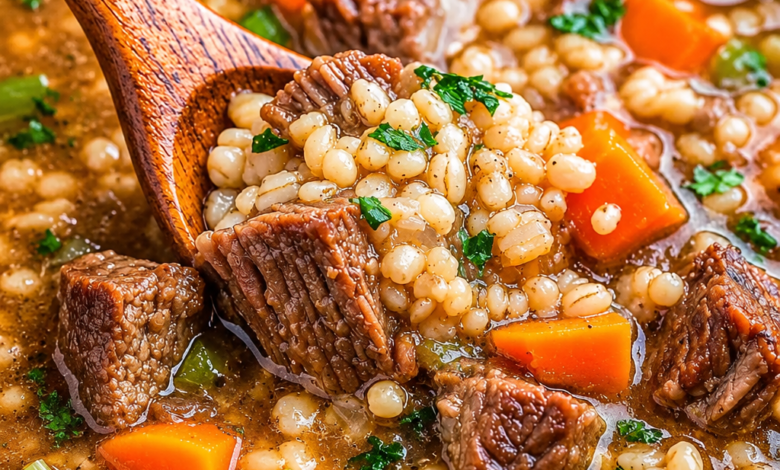
Beef Barley Soup is a hearty one-pot meal made with tender chunks of slow-simmered beef, pearl barley, carrots, celery, onions, and a rich beef broth. This homemade version develops deep flavor by browning the beef first, then gently simmering everything until the meat is fork-tender and the barley naturally thickens the broth. It’s an excellent choice for cozy family dinners, meal prep, or chilly days when you want a satisfying, comforting meal.
A great Beef Barley Soup doesn’t rely on complicated ingredients or fancy techniques. Instead, it builds flavor step by step, starting with well-browned beef, aromatic vegetables, and a slow simmer that transforms simple pantry staples into a rich, comforting bowl of soup.
The result is exactly what most home cooks hope for: tender pieces of beef that practically fall apart, pearl barley that stays pleasantly chewy, and vegetables that soften into the broth without losing their shape. Every spoonful is hearty enough to serve as a complete meal while still feeling balanced and wholesome.
One reason this recipe stands out is its reliability. The ingredients are easy to find in nearly any grocery store, and each step is designed to help beginners achieve consistent results without guesswork. Even if this is your first time making homemade beef soup, the visual cues throughout the recipe make it easy to know when you’re on the right track.
If you enjoy classic comfort-food recipes, you may also like Homemade Beef Stew, another slow-simmered favorite that shares many of the same rich flavors while offering a different texture and serving style.




Why This Recipe Works
There are countless Beef Barley Soup recipes, but the best versions all have one thing in common: they develop flavor gradually instead of trying to rush the process. This recipe follows that principle from beginning to end.
Browning the Beef Builds a Rich Foundation
The first step is taking the time to brown the beef well before adding any liquid. As the meat develops a deep golden-brown crust, flavorful browned bits form on the bottom of the pot. These dissolve into the broth later, creating the rich color and savory depth that simply can’t be achieved by simmering raw beef alone.
Pearl Barley Thickens the Soup Naturally
Instead of relying on flour or cornstarch, pearl barley releases just enough starch as it cooks to give the broth a silky, lightly thickened consistency. The soup stays hearty without becoming heavy, and the barley keeps its pleasant chew instead of turning mushy.
Chuck Roast Becomes Exceptionally Tender
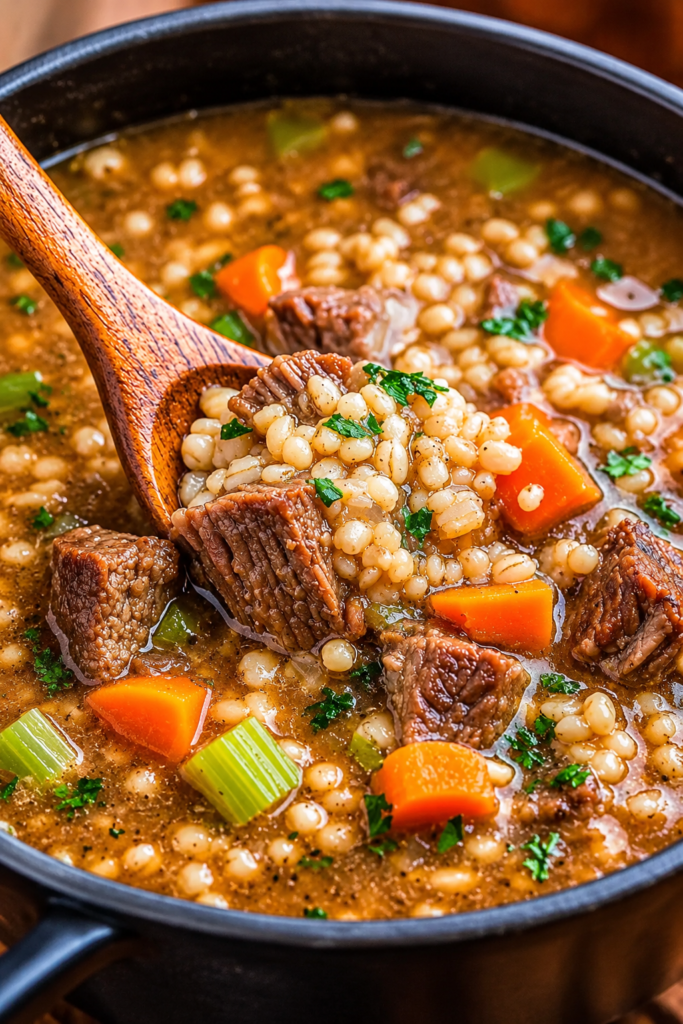
Beef chuck is one of the best cuts for slow-simmered soups because its connective tissue gradually breaks down during cooking. After about two hours, the meat becomes fork-tender while remaining juicy and flavorful, creating the rustic chunks shown in the finished dish.
Aromatic Vegetables Create Balance
Onions, carrots, celery, and garlic provide sweetness and depth that balance the richness of the beef. Rather than overpowering the soup, they cook down gently and allow the beef and broth to remain the stars of every spoonful.
A Gentle Simmer Delivers Better Texture
Keeping the soup at a gentle simmer instead of a rolling boil helps the beef stay tender and prevents the vegetables and barley from breaking apart. The slower cooking process also gives the flavors time to blend naturally into a broth that’s rich, savory, and well balanced.
Simple Ingredients, Dependable Results
Nothing in this recipe is difficult to find or complicated to prepare. Each ingredient has a clear purpose, and every step contributes directly to the final flavor and texture. That straightforward approach makes this recipe easy to repeat successfully whenever you’re craving a comforting homemade soup.
Recipe Summary
| Prep Time | 20 minutes |
| Cook Time | 2 hours 10 minutes |
| Rest Time | 10 minutes |
| Total Time | 2 hours 40 minutes |
| Servings | 6 |
| Course | Main Course |
| Cuisine | American |
| Difficulty | Easy |
| Calories | Approximately 410 per serving |
Ingredients
For the Beef
- 2 pounds beef chuck roast, cut into 1¼-inch cubes
- 1 teaspoon kosher salt
- ½ teaspoon freshly ground black pepper
- 2 tablespoons olive oil
For the Vegetable Base
- 1 medium yellow onion, diced
- 2 celery stalks, diced
- 3 medium carrots, peeled and sliced into thick half-moons
- 4 garlic cloves, minced
For the Broth
- 8 cups low-sodium beef broth
- 1 tablespoon Worcestershire sauce
- 1 tablespoon tomato paste
- 1 teaspoon dried thyme
- 1 bay leaf
- ¾ cup pearl barley, rinsed
To Finish
- 2 tablespoons chopped fresh parsley
- Additional kosher salt and black pepper, to taste
Ingredient Notes
Understanding why each ingredient is included will help you get the best possible results.
Beef Chuck Roast
Chuck roast is the preferred cut because it contains enough marbling and connective tissue to become exceptionally tender during a long simmer. As it cooks, the collagen melts into the broth, adding richness and body.
Avoid lean cuts such as sirloin or eye of round. They tend to become dry before developing the same depth of flavor.
Pearl Barley
Pearl barley gives this soup its classic hearty texture. It cooks directly in the broth, absorbing flavor while naturally releasing starch that slightly thickens the soup.
Do not substitute quick-cooking barley without adjusting the cooking time. It softens much faster and can become mushy if cooked as long as pearl barley.
Beef Broth
A good-quality low-sodium beef broth allows you to control the seasoning more accurately.
If you have homemade beef stock, it will produce an even richer soup with deeper flavor.
Tomato Paste
Only a small amount is needed.
It doesn’t make the soup taste like tomatoes—instead, it adds subtle richness, balances the broth, and deepens the overall color.
Worcestershire Sauce
This ingredient quietly enhances the savory flavor without standing out.
It complements the beef and gives the finished broth a more rounded taste.
Onion, Carrots, and Celery
These vegetables form the classic aromatic base for many hearty soups.
- Onion adds sweetness.
- Carrots contribute natural sweetness and color.
- Celery provides freshness and depth.
Cut them into similar-sized pieces so they cook evenly while still holding their shape.
Garlic
Fresh garlic delivers a cleaner, brighter flavor than garlic powder.
Adding it after the vegetables soften prevents it from burning and becoming bitter.
Thyme
Dried thyme pairs beautifully with beef and barley.
Its earthy flavor supports the broth without overpowering the other ingredients.
If using fresh thyme, substitute about one tablespoon of leaves.
Bay Leaf
A single bay leaf adds subtle complexity while the soup simmers.
Remember to remove it before serving.
Fresh Parsley
Fresh parsley brightens the finished soup and adds color that contrasts beautifully with the rich broth.
Add it just before serving to preserve its fresh flavor.
Salt and Black Pepper
Season lightly at the beginning, then taste again after the barley has finished cooking.
Because different broths contain varying amounts of sodium, final seasoning is always best adjusted at the end.
Equipment
You don’t need specialized cookware to make this recipe successfully. These basic kitchen tools are all that’s required.
- Large Dutch oven or heavy-bottomed soup pot (6–8 quarts)
- Wooden spoon
- Chef’s knife
- Cutting board
- Measuring cups
- Measuring spoons
- Liquid measuring cup
- Small bowl (for holding browned beef between batches)
- Ladle
- Fine-mesh strainer (for rinsing the barley)
Equipment Tips
- A heavy Dutch oven distributes heat evenly, helping the beef brown properly and preventing the soup from scorching during the long simmer.
- A wooden spoon works especially well for scraping the flavorful browned bits from the bottom of the pot after adding the broth.
- Use a sharp chef’s knife to cut the beef into evenly sized cubes so they cook at the same rate.
- If your pot is smaller than 6 quarts, cook carefully to avoid overcrowding during the browning step.
With the ingredients measured and your equipment ready, you’re set to begin building the rich layers of flavor that make this Beef Barley Soup so satisfying.
How to Make Beef Barley Soup
This recipe comes together in one pot, building flavor gradually. Each step includes visual cues and practical tips so you’ll know exactly what to look for as you cook.
Step 1: Season and Brown the Beef
Pat the beef cubes dry with paper towels. This helps them brown instead of steam.
Season the beef evenly with the kosher salt and black pepper.
Heat the olive oil in a large Dutch oven over medium-high heat until it shimmers.
Working in batches, add the beef in a single layer without overcrowding the pot. Cook for about 3–4 minutes per side until each piece develops a deep golden-brown crust. Transfer the browned beef to a plate before cooking the next batch.
Why this matters: Proper browning creates the rich, savory flavor that gives homemade Beef Barley Soup its signature depth.
What you should see: The beef should have a dark golden crust, not a gray exterior. Browned bits will collect on the bottom of the pot—leave them there, as they’ll flavor the broth.
Step 2: Sauté the Vegetables
Reduce the heat to medium.
Add the diced onion, carrots, and celery directly to the same pot.
Cook for 6–8 minutes, stirring occasionally, until the onions become translucent and the vegetables begin to soften.
Add the minced garlic and cook for another 30–60 seconds, just until fragrant.
Why this matters: The vegetables absorb the flavorful browned bits left by the beef while creating the aromatic base for the soup.
What you should see: The onions should look soft and glossy, while the carrots and celery begin to soften but still hold their shape.
Watch for: If the garlic begins turning dark brown, lower the heat immediately. Burned garlic can make the broth taste bitter.
Step 3: Build the Broth
Stir in the tomato paste and cook for about 1 minute, stirring constantly so it lightly caramelizes.
Pour in a small splash of the beef broth while scraping the bottom of the pot with a wooden spoon to loosen all the browned bits.
Add the remaining beef broth, Worcestershire sauce, dried thyme, and bay leaf.
Return the browned beef along with any juices that collected on the plate.
Stir everything together.
Why this matters: Deglazing the pot captures concentrated flavor that would otherwise be left behind.
What you should see: The broth should take on a rich brown color with no browned bits stuck to the bottom of the pot.
Step 4: Simmer Until the Beef Begins to Tenderize
Increase the heat until the soup reaches a gentle boil.
Immediately reduce the heat to maintain a slow, steady simmer.
Cover the pot partially with a lid and cook for about 1 hour and 20 minutes.
Stir occasionally to prevent anything from sticking to the bottom.
Why this matters: A gentle simmer allows the connective tissue in the chuck roast to slowly break down, producing tender beef without drying it out.
What you should see: Small bubbles should gently rise to the surface. The broth should remain mostly clear rather than boiling vigorously.
Watch for: If the soup boils rapidly, the beef may become firmer instead of tender.
Step 5: Add the Pearl Barley
Remove the lid and stir in the rinsed pearl barley.
Continue simmering uncovered for 35–40 minutes, stirring every 10–15 minutes.
The barley will gradually absorb some of the broth while naturally thickening the soup.
Why this matters: Adding the barley after the beef is mostly tender prevents it from becoming overly soft during the long cooking time.
What you should see: The barley should become plump while still maintaining a slight chew. The broth should become slightly thicker but remain spoonable.
Watch for: If the soup becomes thicker than you prefer, stir in an extra ½ to 1 cup of warm beef broth near the end of cooking.
Step 6: Finish the Soup
Remove the bay leaf and discard it.
Stir in the chopped fresh parsley.
Taste the soup and adjust the seasoning with additional salt and freshly ground black pepper if needed.
Allow the soup to rest for about 10 minutes before serving.
Why this matters: Resting allows the flavors to settle and the broth to slightly thicken, creating a more balanced final texture.
What you should see: The finished soup should have tender chunks of beef, visible barley, carrots and celery that hold their shape, and a rich broth that lightly coats the spoon without becoming overly thick.
How to Know Your Beef Barley Soup Is Done
Your soup is ready when:
- The beef easily pulls apart with a fork but still holds its shape.
- The pearl barley is tender with a slight chew.
- The carrots are soft without falling apart.
- The broth is rich and lightly thickened.
- Every spoonful contains a balanced mix of beef, barley, vegetables, and broth.
If the beef still feels firm, continue simmering for another 15–20 minutes before checking again. Chuck roast becomes noticeably more tender with additional gentle cooking.
Chef Tips
These practical tips will help you get consistently delicious results and make the recipe even easier to prepare.
1. Brown the Beef in Small Batches
Crowding the pot traps steam, preventing the beef from developing a rich brown crust. Taking a few extra minutes to brown the meat in batches creates a noticeably deeper, more flavorful broth.
2. Keep the Simmer Gentle
Once the soup comes to a boil, reduce the heat right away. A slow simmer keeps the beef tender and the vegetables intact while allowing the broth to develop a clean, rich flavor.
3. Wait to Add the Barley
Adding pearl barley after the beef has already become mostly tender helps it retain a pleasantly chewy texture instead of becoming overly soft by the end of cooking.
4. Taste Only at the End
Because the broth reduces slightly during cooking and different brands of beef broth vary in saltiness, it’s best to make the final seasoning adjustments just before serving.
5. Trim Only Large Pieces of Fat
Leave a little marbling on the beef. As it slowly cooks, that fat melts into the broth, adding richness and improving the overall texture.
6. Slice the Vegetables Evenly
Uniform pieces cook at the same rate, giving the soup a more attractive appearance and ensuring every spoonful has a balanced mix of vegetables.
7. Let the Soup Rest Before Serving
Allowing the soup to sit for about 10 minutes after cooking gives the barley time to settle and lets the flavors come together for an even better bowl.
8. Make It a Day Ahead
Like many slow-simmered soups, Beef Barley Soup often tastes even better the next day after the flavors have had time to develop in the refrigerator.
9. Adjust the Consistency When Reheating
Pearl barley continues absorbing liquid during storage. If the soup becomes thicker than you’d like, stir in a little warm beef broth while reheating until it reaches your preferred consistency.
10. Garnish Just Before Serving
A sprinkle of freshly chopped parsley and a few turns of freshly ground black pepper brighten the rich broth without overpowering its comforting flavor.
Common Mistakes to Avoid
Even simple recipes can go off track if a few key details are overlooked. Here’s how to avoid the most common problems.
Skipping the Browning Step
What Happens
The broth tastes flatter and lacks the deep, savory flavor found in classic homemade Beef Barley Soup.
Why It Happens
Browning creates caramelized flavors that can’t develop once the broth is added.
How to Avoid It
Take the time to brown the beef well before moving to the next step.
How to Fix It
While you can’t fully replace the lost flavor, allowing the soup to simmer a little longer can help deepen the broth.
Crowding the Pot
What Happens
The beef releases moisture and steams instead of browning.
Why It Happens
Too much meat lowers the pan temperature.
How to Avoid It
Brown the beef in two or three batches if necessary.
How to Fix It
Remove some of the meat and continue browning the remaining pieces before combining everything again.
Boiling the Soup Too Hard
What Happens
The beef can become firmer, and the vegetables may begin to break apart.
Why It Happens
A vigorous boil cooks the ingredients too aggressively.
How to Avoid It
Maintain only a gentle simmer throughout the cooking process.
How to Fix It
Reduce the heat immediately and allow the soup to continue cooking slowly until the beef softens.
Adding the Barley Too Soon
What Happens
The barley may become overly soft and absorb too much broth.
Why It Happens
Pearl barley continues cooking the entire time it’s in the soup.
How to Avoid It
Wait until the beef is nearly tender before stirring in the barley.
How to Fix It
Add extra warm broth before serving if the soup has become too thick.
Underseasoning
What Happens
The soup tastes bland despite using quality ingredients.
Why It Happens
Seasoning changes as the broth reduces and the barley absorbs liquid.
How to Avoid It
Taste and adjust the seasoning after the soup has finished cooking.
How to Fix It
Add small amounts of salt and pepper gradually, tasting between additions.
Overcooking the Vegetables
What Happens
The carrots and celery lose their texture and begin falling apart.
Why It Happens
Vegetables that are cut too small cook much faster.
How to Avoid It
Slice the vegetables into sturdy, evenly sized pieces.
How to Fix It
The soup will still taste good, but the texture won’t be as appealing.
Forgetting to Remove the Bay Leaf
What Happens
Someone may accidentally bite into the tough bay leaf while eating.
Why It Happens
The leaf blends into the finished soup.
How to Avoid It
Remove it immediately before stirring in the parsley.
Variations
This classic recipe is easy to customize while keeping the same comforting character.
Slow Cooker Version
Brown the beef and sauté the vegetables first for the best flavor.
Transfer everything except the barley and parsley to a slow cooker.
Cook on Low for 7–8 hours or High for 4–5 hours.
Add the pearl barley during the final hour of cooking, then stir in the parsley before serving.
Instant Pot Version
Use the Sauté setting to brown the beef and cook the vegetables.
Pressure cook the soup without the barley for 35 minutes, followed by a 15-minute natural release.
Switch back to Sauté mode, stir in the barley, and simmer for about 20–25 minutes until tender.
Mushroom Beef Barley Soup
Add 8 ounces of sliced cremini mushrooms with the onions, carrots, and celery.
The mushrooms deepen the soup’s savory flavor while adding another layer of hearty texture.
Extra Vegetable Version
Stir in frozen peas, green beans, or diced potatoes during the final 20–30 minutes of cooking.
These additions make the soup even more filling without changing its comforting character.
Gluten-Free Version
Replace the pearl barley with cooked brown rice or wild rice.
The broth will remain hearty, though it won’t develop quite the same natural thickness that barley provides.
Leaner Version
Substitute lean beef stew meat and trim any visible fat before browning.
The finished soup will be lighter while still offering plenty of rich beef flavor.
Storage Instructions
One of the best things about Beef Barley Soup is that it stores exceptionally well. In fact, many people find the flavor even richer the following day after the ingredients have had more time to meld together.
Because pearl barley continues to absorb liquid during storage, don’t be surprised if the soup thickens in the refrigerator. This is completely normal and easy to adjust when reheating.
Room Temperature
Allow the soup to cool for no more than 2 hours before refrigerating.
If your kitchen is especially warm, transfer it to storage containers sooner to maintain food safety.
Refrigerator
Store cooled soup in airtight containers.
Storage Time: Up to 4 days
For the freshest flavor, divide the soup into individual portions before refrigerating. Smaller portions cool faster and are easier to reheat for quick lunches or dinners.
Freezer
Beef Barley Soup freezes very well.
Allow it to cool completely before transferring it to freezer-safe containers or heavy-duty freezer bags.
Leave about an inch of space at the top of each container since the soup will expand as it freezes.
Storage Time: Up to 3 months
Label each container with the date so you can easily rotate older batches first.
Best Storage Containers
The best choices include:
- Glass food storage containers with airtight lids
- BPA-free plastic freezer containers
- Heavy-duty freezer bags (laid flat to save freezer space)
Avoid storing the soup in the cooking pot for long periods, as it cools more slowly than smaller containers.
Food Quality Notes
- The broth will naturally become thicker during storage because the barley continues absorbing liquid.
- The beef often becomes even more tender after resting overnight.
- If freezing, expect the barley to soften slightly after thawing, though the soup will still taste excellent.
- Stir the soup well before serving to redistribute the vegetables and barley evenly.
How to Reheat
Reheating Beef Barley Soup gently helps preserve the tender beef and hearty texture while preventing the broth from becoming overly thick.
Stovetop (Recommended)
Pour the desired amount of soup into a saucepan and warm it over medium-low heat, stirring occasionally.
If the soup has thickened during storage, add ¼ to ½ cup of beef broth or water at a time until it reaches your preferred consistency.
Heat until the soup is steaming and the beef is warmed through.
Why this method works best: Gentle heat keeps the beef tender, prevents the vegetables from breaking apart, and allows you to easily adjust the consistency.
Microwave
Place an individual serving in a microwave-safe bowl.
Cover loosely to prevent splattering.
Heat for 1 minute, stir well, then continue heating in 30-second intervals until hot throughout.
If needed, stir in a splash of beef broth before reheating.
From Frozen
For the best texture, thaw the soup overnight in the refrigerator before reheating.
If reheating directly from frozen, warm it slowly over low heat, stirring occasionally as it thaws.
Avoid high heat, which can cause the broth to reduce too quickly before the center has warmed.
Make-Ahead Instructions
This recipe is an excellent choice for meal prep because nearly every stage can be completed in advance.
One Day Ahead
Prepare the entire soup, allow it to cool, and refrigerate overnight.
The next day, reheat gently and add a little extra broth if needed before serving.
Many cooks actually prefer the flavor after the soup has rested overnight.
Prep the Ingredients Early
To save time on cooking day, you can prepare several ingredients ahead.
- Cube the beef.
- Dice the onion, carrots, and celery.
- Mince the garlic.
- Measure the seasonings.
Store everything separately in airtight containers in the refrigerator for up to 24 hours.
For Meal Prep
Divide the finished soup into individual containers for easy lunches throughout the week.
Since the barley continues to absorb liquid, pack a small container of extra beef broth if you’ll be reheating portions away from home.
Serving Suggestions
Because Beef Barley Soup is rich and hearty, simple side dishes make the best companions.
Bread
Nothing pairs better than warm bread for soaking up the flavorful broth.
Great choices include:
- Crusty artisan bread
- Rustic sourdough
- Garlic bread
- Buttery dinner rolls
- Homemade biscuits
Salads
A crisp salad balances the richness of the soup.
Try serving it with:
- Classic garden salad
- Caesar salad
- Mixed greens with balsamic vinaigrette
- Cucumber and tomato salad
Roasted Vegetables
Roasted vegetables add color and complement the savory flavors beautifully.
Excellent options include:
- Brussels sprouts
- Broccoli
- Green beans
- Asparagus
- Honey-roasted carrots
Sandwiches
For an extra-hearty meal, pair the soup with:
- Grilled cheese sandwich
- Turkey sandwich
- Roast beef sandwich
- Ham and Swiss panini
Drinks
Simple beverages work best alongside this comforting soup.
Good choices include:
- Iced tea
- Sparkling water with lemon
- Apple cider during cooler months
- Dry red wine, such as Cabernet Sauvignon or Merlot (for those who enjoy wine)
Desserts
Finish the meal with something light and comforting.
Some favorites are:
- Apple crisp
- Oatmeal cookies
- Bread pudding
- Vanilla ice cream
- Fresh seasonal fruit
With the soup prepared and your meal complete, the final section covers the most common questions home cooks ask, followed by a quick summary and helpful internal links to continue exploring similar recipes.
Frequently Asked Questions
Can I use stew meat instead of chuck roast?
Yes. Stew meat works well because it’s often cut from chuck, but the pieces can vary in size and tenderness. If using packaged stew meat, trim any large pieces so they cook evenly.
Can I use quick barley instead of pearl barley?
You can, but reduce the cooking time significantly. Quick barley cooks much faster and can become overly soft if simmered as long as pearl barley.
Why is my beef still tough?
Chuck roast needs enough time for its connective tissue to break down. If the beef isn’t fork-tender, continue simmering gently for another 15–30 minutes. It will become more tender with additional cooking.
Why did my soup become so thick?
Pearl barley naturally absorbs liquid as it cooks and continues doing so during storage. Simply stir in additional warm beef broth or water until the soup reaches your preferred consistency.
Can I freeze Beef Barley Soup?
Yes. Cool the soup completely before freezing it in airtight containers for up to three months. The barley may soften slightly after thawing, but the flavor remains excellent.
Can I make this soup ahead of time?
Absolutely. This soup is an excellent make-ahead meal and often tastes even better the next day as the flavors continue to develop.
What vegetables can I add?
Potatoes, mushrooms, peas, green beans, parsnips, and turnips all work well. Add firmer vegetables early in the cooking process and more delicate vegetables during the final 20–30 minutes.
How do I make the broth richer?
Brown the beef thoroughly before adding the broth, use a good-quality beef stock, and allow the soup to simmer gently. These simple steps develop the rich, savory flavor without adding unnecessary ingredients.
Can I cook this in a slow cooker?
Yes. Brown the beef and sauté the vegetables first for the best flavor. Then cook everything except the barley and parsley on Low for 7–8 hours, adding the barley during the final hour.
Key Takeaways
- Browning the beef well creates the rich, savory flavor that makes this soup stand out.
- Add the pearl barley only after the beef is mostly tender to achieve the best texture.
- A gentle simmer keeps the beef juicy and the vegetables intact.
- The soup stores and freezes beautifully, making it ideal for meal prep.
- If the soup thickens after storage, simply add a little warm beef broth while reheating.
Quick Recipe Summary
Beef Barley Soup is a classic American comfort food made with tender chunks of beef chuck, pearl barley, carrots, celery, onions, garlic, and a rich beef broth. Browning the beef before simmering creates deep flavor, while pearl barley naturally thickens the broth as it cooks. This one-pot recipe is beginner-friendly, easy to prepare, and ideal for family dinners, meal prep, or freezing for later. It reheats well, often tastes even better the next day, and can be adapted for a slow cooker or Instant Pot without sacrificing its hearty texture or homemade character.
Related Recipes You May Enjoy
- Homemade Beef Stew Recipe (Tender & Rich Every Time)
- Hearty Vegetable Beef Soup With Toasted Bread
- Slow Cooker Pot Roast (Tender, Hearty & No-Fail Crockpot Dinner)
- Homemade Spaghetti Sauce
- Homemade Beef Curry Recipe with Tender Beef
Useful Links:
- USDA Safe Minimum Internal Temperatures
- USDA Leftovers and Food Storage
- FDA Food Safety During Preparation
- Cooperative Extension Guide to Baking Potatoes
- MyPlate Vegetable Serving Guidance
This Beef Barley Soup is the kind of dependable recipe that earns a permanent place in your meal rotation. With tender slow-simmered beef, wholesome vegetables, pearl barley, and a deeply flavorful broth, it delivers everything people expect from a classic homemade soup. The straightforward method makes it approachable for beginners, while the careful cooking process rewards experienced home cooks with rich flavor and satisfying texture.
Whether you’re preparing it for a cozy family dinner, stocking your freezer with ready-made meals, or serving it with warm crusty bread on a cold evening, this recipe offers consistent, comforting results every time.