How Do You Make Soft Biscoff Cookies with Biscoff Buttercream?
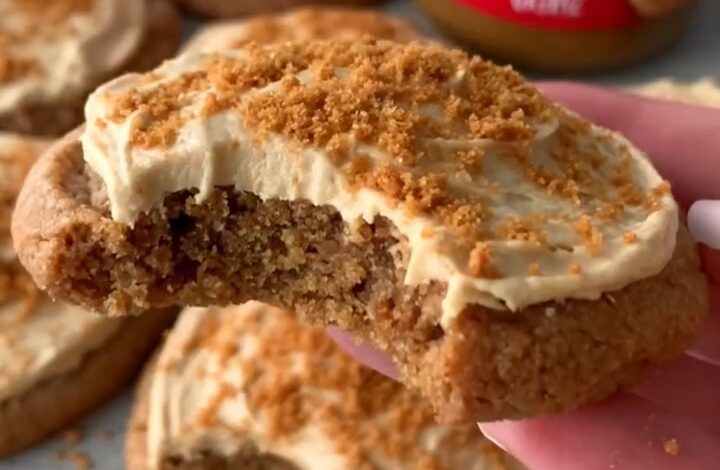
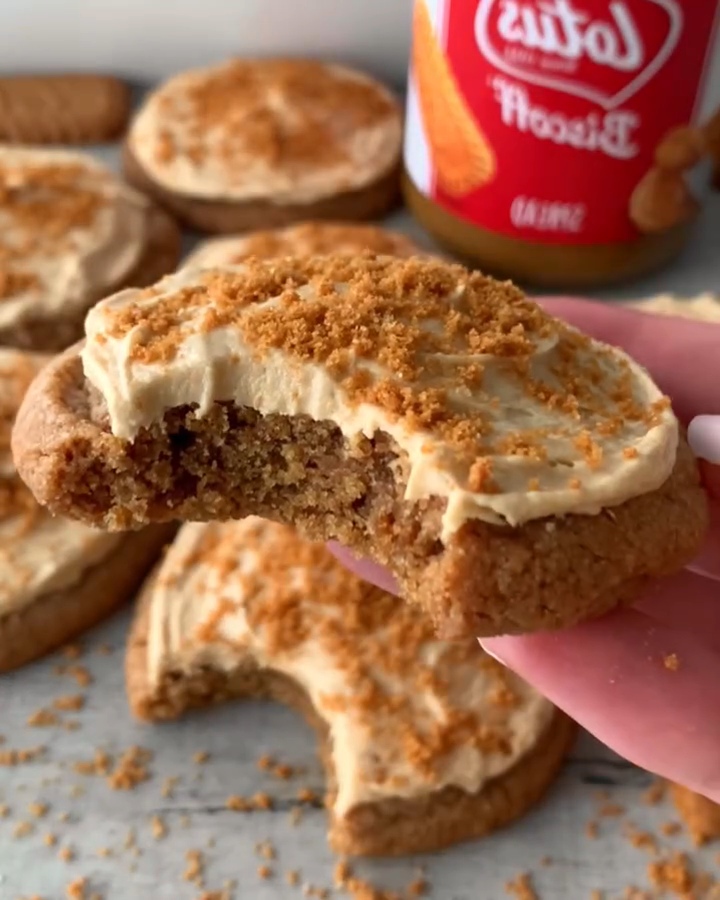
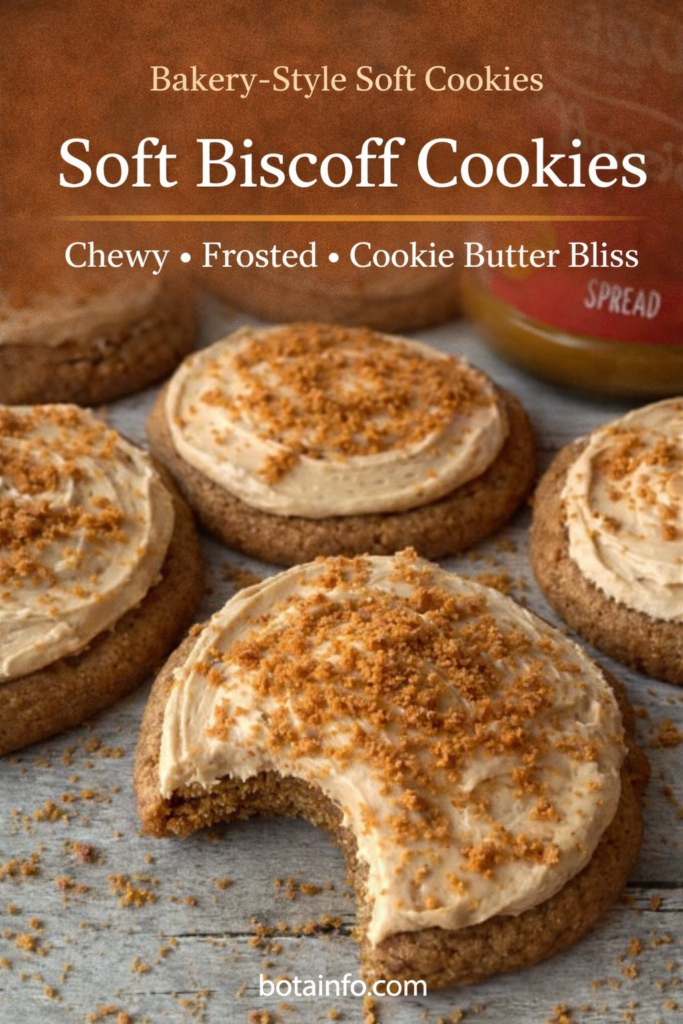
Soft Biscoff cookies are chewy, caramelized, spiced cookies made with crushed Biscoff biscuits and topped with a creamy Biscoff buttercream frosting. The key to their ultra-soft texture is cornstarch in the dough and slightly underbaking the cookies.
This step-by-step guide walks you through exactly how to make them, how to avoid common mistakes, and how to store or freeze them successfully.
What Makes These Cookies So Soft?
Direct answer: Cornstarch, proper creaming of butter and sugar, and slight underbaking create a soft, tender texture.
- Cornstarch lowers gluten development for tenderness.
- Creaming butter and sugar incorporates air.
- Pulling cookies from the oven while centers are slightly soft keeps them chewy.
Ingredients (Measured for Accuracy)
Makes about 15 cookies.
Dry Ingredients
- 1 cup all-purpose flour
- 2 tablespoons cornstarch
- 1/2 teaspoon baking soda
- 1/2 teaspoon baking powder
- 1/4 teaspoon salt
- 1 cup Biscoff cookies, finely crushed
Wet Ingredients
- 1/2 cup (1 stick) unsalted butter, softened
- 1/3 cup granulated sugar
- 1/3 cup powdered sugar
- 1 large egg (room temperature)
For the Biscoff Buttercream Frosting
- 1/2 cup (1 stick) unsalted butter, softened
- 1/3 cup Biscoff spread
- 1 1/2 cups powdered sugar
- 1–2 tablespoons milk (as needed)
Step-by-Step Instructions
Step 1: Prepare the Dry Ingredients
Direct answer: Combine flour, cornstarch, leavening agents, salt, and crushed Biscoff crumbs.


- Crush Biscoff cookies into fine crumbs using a food processor or sealed bag with a rolling pin.
- In a large bowl, whisk together:
- Flour
- Cornstarch
- Baking soda
- Baking powder
- Salt
- Biscoff crumbs
Mix until evenly distributed.
Step 2: Cream the Butter and Sugars
Goal: Light, pale, and fluffy mixture.
- Beat softened butter, granulated sugar, and powdered sugar together for 2–3 minutes.
- Mix until the texture is light and creamy.
- Add egg and beat until fully incorporated.
Proper creaming ensures a soft structure and even rise.
Step 3: Combine Wet and Dry Ingredients
- Gradually add dry ingredients to the butter mixture.
- Mix just until combined.
Do not overmix. Overworking the dough develops gluten and makes cookies dense.
The dough should be soft but not sticky.
Step 4: Shape the Cookies
- Preheat oven to 350°F.
- Line a baking sheet with parchment paper.
- Divide dough into 15 equal portions.
- Roll into balls and place 2 inches apart.
Optional: Use a round cookie cutter to gently shape them immediately after baking for perfectly round edges.
Step 5: Bake
Bake time: 10–12 minutes.
- Edges should be lightly golden.
- Centers should look slightly underbaked.
Let cookies cool on the tray for 5 minutes before transferring to a wire rack.
They will continue to set as they cool.
How to Make Biscoff Buttercream
Step 1: Whip Butter and Biscoff
Beat softened butter, and Biscoff spread until smooth and creamy.
Step 2: Add Powdered Sugar Gradually
- Add powdered sugar in batches.
- Beat until smooth.
- Add milk 1 tablespoon at a time until frosting is pipeable but holds its shape.
Texture goal: Smooth, thick, and spreadable.
Assemble the Cookies
- Ensure cookies are fully cooled.
- Transfer frosting to a piping bag.
- Pipe generously onto each cookie.
- Sprinkle extra crushed Biscoff crumbs on top.
For a bakery-style look, use a star piping tip.
Flavor & Texture Profile
- Cookie: Soft, chewy, lightly caramelized
- Frosting: Creamy, sweet, and rich
- Overall: Balanced sweetness with warm spiced notes
The crushed cookies in the dough enhance the signature caramel flavor throughout.
Pro Tips for Best Results
Don’t Overbake
Pull cookies when centers still look soft. Overbaking = dry cookies.
Use Room Temperature Ingredients
Cold butter or eggs prevent proper mixing.
Measure Flour Correctly
Spoon flour into the measuring cup and level off. Packing flour leads to dense cookies.
Adjust Frosting Thickness
- Too thick → add milk
- Too thin → add powdered sugar
Easy Variations
- Add Chocolate Chips: Fold in 1/2 cup white or semi-sweet chips.
- Make Sandwich Cookies: Spread frosting between two cookies.
- Add Sea Salt: Light sprinkle on frosting enhances caramel flavor.
- Drizzle with Melted Chocolate: Adds contrast and visual appeal.
Storage and Freezing
Storing
- Store in an airtight container at room temperature up to 5 days.
- For the best texture, keep away from heat and humidity.
Freezing Dough
- Roll into balls.
- Freeze on a baking sheet.
- Transfer to freezer-safe bag.
- Freeze up to 3 months.
Thaw overnight in the refrigerator before baking.
Freezing Baked Cookies
Freeze unfrosted cookies up to 3 months. Thaw at room temperature before frosting.
Frequently Asked Questions
Can I use Biscoff spread in the cookie dough?
This recipe relies on crushed cookies for structure. Adding spread may change the texture unless recipe adjustments are made.
Why are my cookies flat?
Common causes:
- Butter too soft or melted
- Overmixing
- Not enough flour
Can I make these without frosting?
Yes. The cookies are flavorful on their own.
Can I double the recipe?
Yes. Simply double all ingredients and bake in batches.
Key Takeaways
- Cornstarch keeps the cookies soft and tender.
- Slight underbaking ensures chewiness.
- Biscoff crumbs add caramelized spice flavor.
- Buttercream should be thick but pipeable.
- Store airtight for up to 5 days or freeze for later.
These soft Biscoff cookies with Biscoff buttercream frosting combine rich caramelized flavor with an ultra-tender texture. They’re simple enough for everyday baking but impressive enough for special occasions — and guaranteed to satisfy any Biscoff lover.